



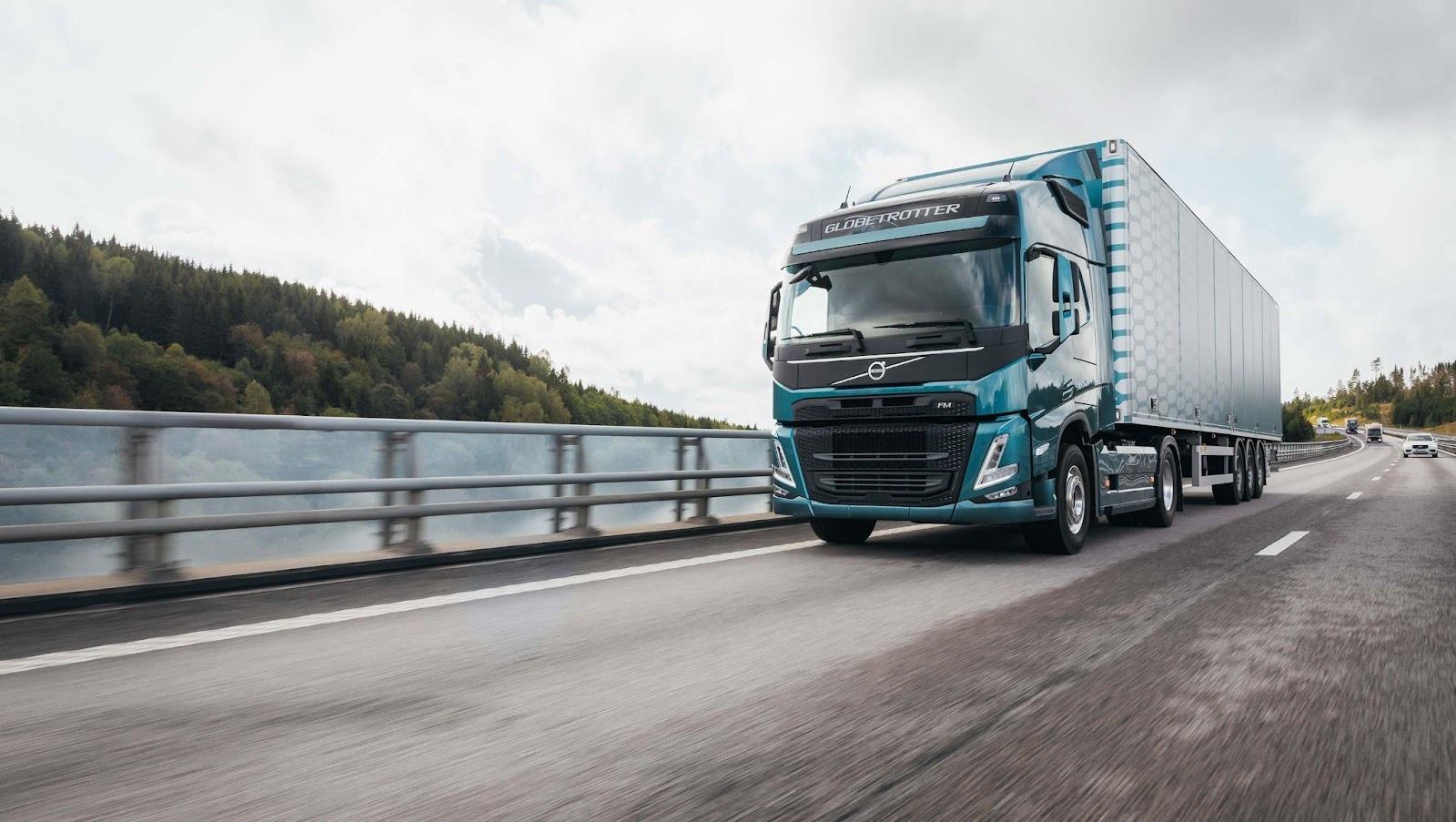
Want to improve truck transportation efficiency? Technology has made it easier than ever! From faster routes to better fleet management, tech solutions can transform the way trucks operate. By using advanced tools, transportation companies are saving time, cutting costs, and delivering goods more efficiently than ever before.
With smart technology like GPS, sensors, and automation, truck fleets can now run smoothly and safely. Whether it’s tracking vehicles in real time or optimizing routes, these tech tools are helping companies stay competitive and meet growing customer demands. Let’s dive into how these innovations are changing the trucking industry for the better.
Introduction to Technology in Truck Transportation
Technology in truck transportation is revolutionizing the way goods move across the country. As the demand for quicker, cheaper, and more reliable deliveries grows, technology steps in to make everything run smoother. Whether it’s optimizing routes or tracking fleets in real time, technology is the key to improving efficiency in the trucking industry.
The Rise of Tech in Trucking
In the past, trucking was mostly about drivers following paper maps and relying on manual checks. But now, technology has changed everything. GPS systems, digital maps, and route planning apps help drivers avoid traffic and find the fastest paths to their destinations. These tools help save both time and money, ensuring trucks can deliver goods quicker and more efficiently.
Real-Time Tracking and Fleet Management
With the help of technology, fleet managers can track trucks in real-time. This means they know exactly where each truck is, how it’s performing, and when it will reach its destination. This real-time information helps prevent delays and ensures that shipments arrive on time. Plus, it allows companies to plan better for future deliveries.
Leveraging GPS and Route Optimization for Efficiency

In the world of truck transportation, GPS and route optimization are essential tools that help companies deliver goods faster and more efficiently. These technologies not only improve delivery times but also cut down on fuel costs, reduce driver stress, and increase overall productivity.
GPS Tracking: A Game-Changer for Fleet Management
GPS tracking is a powerful tool that allows fleet managers to track the location of their trucks in real-time. By knowing exactly where each vehicle is, companies can make quick decisions, avoid traffic, and direct drivers to faster routes. GPS also helps improve driver safety by alerting them to dangerous weather conditions or accidents on the road.
Route Optimization: Finding the Fastest and Most Fuel-Efficient Path
Route optimization software takes GPS data to the next level. It analyzes traffic patterns, road conditions, and delivery schedules to calculate the quickest and most fuel-efficient routes for drivers. This reduces travel time, which means trucks can complete more deliveries in a day. Additionally, optimized routes help save on fuel, which directly cuts operational costs for trucking companies.
The Benefits of GPS and Route Optimization
By combining GPS and route optimization, trucking companies can improve delivery speed and cut down on wasted resources. Trucks spend less time on the road and more time delivering, making the whole process more efficient. In turn, this leads to satisfied customers and a more profitable business.
Adopting IoT Devices for Fleet Monitoring and Management
The Internet of Things (IoT) is making a big impact on truck transportation by providing fleet managers with real-time data to keep trucks running smoothly. By using smart devices connected to the internet, companies can monitor their vehicles, track performance, and predict maintenance needs before problems arise.
What is IoT in Trucking?
IoT refers to the network of smart devices, sensors, and trackers that collect and share data. In the trucking world, IoT devices are installed in trucks to monitor key performance indicators like engine health, tire pressure, fuel levels, and more. These devices send this information to fleet managers in real-time, making it easier to spot any issues or inefficiencies.
Real-Time Fleet Monitoring
With IoT, fleet managers can get real-time updates on the condition of their trucks. If a truck is experiencing an issue, like low tire pressure or an engine problem, managers are alerted immediately. This allows them to make informed decisions, such as sending the truck for maintenance or rerouting drivers to avoid further issues. It also helps drivers stay informed about the condition of their vehicle, ensuring they are always ready for the road.
Predictive Maintenance: Preventing Downtime
One of the biggest advantages of IoT in trucking is predictive maintenance. IoT sensors track vehicle performance and can predict when maintenance is needed before a breakdown happens. This reduces the risk of unexpected repairs, keeps trucks on the road longer, and helps avoid costly delays.
The Role of Automation and Telematics in Driver Safety and Performance
Automation and telematics are changing the way truck transportation operates, offering a safer and more efficient environment for both drivers and fleet managers. By incorporating these technologies, companies can improve safety, enhance performance, and ensure timely deliveries with less risk.
Telematics: Monitoring Driver Behavior
Telematics involves using technology to collect and transmit data about a vehicle’s performance and the driver’s behavior. This includes tracking speed, braking patterns, fuel usage, and even how often a driver takes breaks.
By monitoring this data, fleet managers can identify risky behaviors, such as speeding or harsh braking, and provide feedback or training to improve driving habits. Telematics not only helps improve driver safety but also reduces fuel consumption and vehicle wear and tear.
Automation: Reducing Human Error
Automation in trucking is becoming more advanced, with systems designed to assist drivers or even take over certain tasks. Features like automatic emergency braking, lane departure warnings, and adaptive cruise control help prevent accidents caused by human error.
These automated systems can make quick decisions to avoid collisions, ensuring the safety of the driver and others on the road. In addition, these systems allow drivers to focus on more critical aspects of driving, such as navigating and maintaining awareness of their surroundings.
Enhancing Driver Performance with Real-Time Feedback
By combining telematics with real-time feedback, companies can give drivers immediate insights into their performance. For example, if a driver is accelerating too quickly or driving too aggressively, they’ll receive an alert.
This continuous feedback helps drivers improve their habits, which can lead to fewer accidents, better fuel efficiency, and improved overall performance.
Conclusion
Incorporating technology into truck transportation is a game-changer. It helps companies boost efficiency, cut down costs, and improve delivery times. As these technologies continue to evolve, the future of trucking looks faster, safer, and more reliable. Embracing these tools today is the key to staying ahead in tomorrow’s logistics world.
