



Choosing a gas boiler might not sound thrilling, but it’s one of the smartest home decisions you can make. The right system doesn’t just keep your home warm; it can shrink your energy bills and make life more comfortable.
It’s about heating your space efficiently while also cutting down on energy waste and being kinder to the planet.
An energy-efficient boiler uses fuel more wisely, so you’re not only saving money but also helping to reduce carbon emissions. Picking wisely now sets you up for a cosier, more sustainable future.
Why Boiler Size Matters More Than You Think
Getting the size right isn’t about physical dimensions; it’s about how much heat your home needs. Too large, and your boiler will cycle on and off, wasting energy and driving up bills. Too small, and it will struggle to keep up, leaving you with lukewarm radiators and cold showers.
The size of your property plays a big role. Large homes with poor insulation need more heating power than compact, well-insulated spaces.
Think about how heat flows through your house, the number of rooms, and how many people live there. Windows, flooring, and even ceiling heights can make a surprising difference to how warmth spreads.
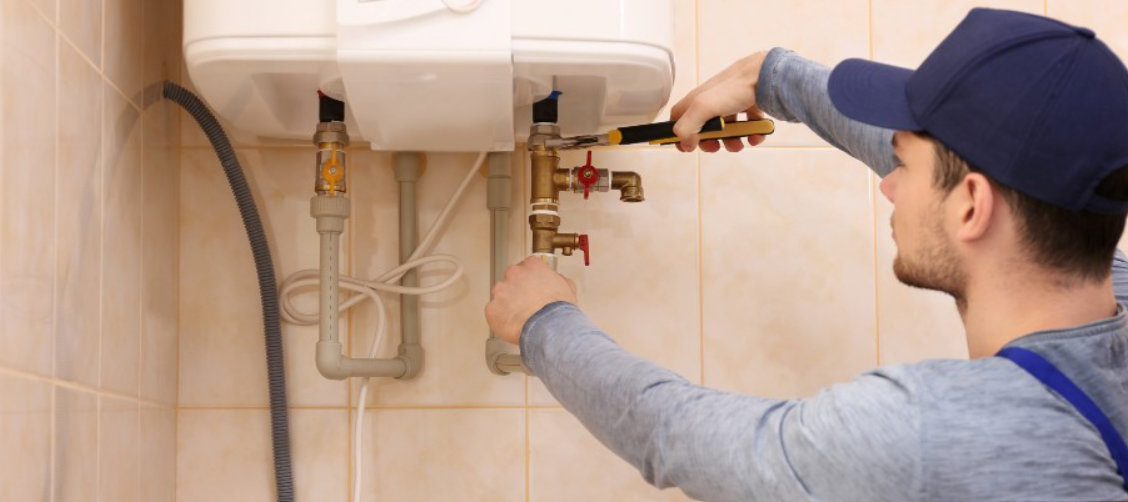
Chatting with a heating expert can save you from second-guessing. They’ll calculate the right output for your home, helping you avoid a system that works too hard or one that underdelivers.
Understanding Energy Efficiency Ratings
If saving money and protecting the planet are on your list, energy efficiency should top your priorities. Boilers are rated from A to G, and the difference between them is huge.
An A-rated system operates at over 90% efficiency, which means almost all the fuel you’re paying for is turned into heat. At the other end, a G-rated boiler wastes about 30% of its energy, pumping cash and carbon into thin air.
Energy labels, like the European ErP label, make it easy to see where a boiler stands. Models with high ratings save you money month after month while reducing greenhouse gas emissions.
Switching from an older, less efficient unit to a modern A-rated one could bring significant savings and create a warmer, more consistent environment throughout your home. It’s a win for your wallet and the world outside your window.
Exploring Different Types of Gas Boilers
Not all boilers are created equal. Picking the right type for your home depends on how much hot water you use, how much space you have, and your household’s heating needs.
Combi boilers are compact and heat water directly from the mains. There’s no need for tanks or cylinders, which makes them ideal for smaller properties or apartments. They’re efficient and space-saving but may struggle when multiple taps demand hot water at the same time.
System boilers store hot water in a cylinder. They’re perfect for larger homes with more than one bathroom because they can handle simultaneous demands without losing pressure. The trade-off is they take up more space than a combi system.
Regular boilers, often called conventional or heat-only boilers, are best for houses with traditional setups. They require both a hot water cylinder and a cold water storage tank, making them suitable for big households where water usage is heavy.
Each type serves a purpose, and matching one to your lifestyle makes all the difference to how comfortable and efficient your home feels.
The Real Costs of Installation
Price tags on new boilers vary, but the installation is where surprises often pop up. Moving your boiler to a different room, upgrading old pipework, or adding new vents can quickly increase costs.
Simple swaps in the same location cost less, but complex jobs with extra plumbing or electrical work bump the price higher.
To avoid nasty shocks, get multiple quotes from certified installers. Comparing them helps you spot fair pricing and ensures everything from parts to labour is included. Look for professionals who are transparent about their fees and credentials.
Spending a little more on proper installation pays off. A system set up correctly will run efficiently, last longer, and give you fewer problems down the road.
Why Brand and After-Sales Support Matter
A boiler is only as good as the company behind it. Established brands often mean higher build quality and better support when things go wrong. Imagine facing a heating failure during a freezing spell—you’ll want a brand with fast, reliable help.
Customer reviews are your secret weapon. They reveal how a brand performs when it counts, giving you insight into reliability and responsiveness. Look for patterns in feedback rather than judging on isolated complaints.
Warranties are equally vital. A longer, comprehensive warranty suggests the manufacturer trusts their product and protects you against unexpected repair bills. Support that’s available around the clock brings peace of mind, knowing you can call for help whenever you need it.
Making the Most of Government Incentives
Energy-efficient boilers don’t just save money on your bills—they could also cost less upfront thanks to government schemes. Across the UK, various initiatives encourage homeowners to upgrade to greener systems.
The Energy Company Obligation (ECO) scheme, for example, offers help to households struggling with heating costs. Local grants and rebates can also cut the initial price of buying and installing a new boiler.
Before making a decision, check what’s available in your area. These programs not only make it easier to afford a high-efficiency model but also support the shift toward eco-friendly living.
The Role of Professional Advice in Boiler Selection
No amount of online research replaces the value of talking to a heating professional. Experts can assess your home’s unique needs, from insulation levels to water pressure, ensuring you get a system that performs flawlessly.
They can also spot potential challenges like outdated pipework or space restrictions that might influence which boiler is right for you. With their guidance, you avoid overbuying or underestimating your home’s requirements.
Regular servicing from a trusted engineer will keep your new boiler working at peak efficiency and extend its lifespan. Maintenance isn’t just about preventing breakdowns; it also protects your warranty and keeps your system running safely.
Why Acting Early Saves Stress and Money
Delaying a boiler upgrade might seem like an easy choice, but older systems cost more to run and are prone to breakdowns, usually at the worst possible moment.
A proactive approach gives you time to plan, research, and budget instead of rushing into a replacement during a cold snap.
Modern boilers also include smart features like programmable thermostats and weather compensation, which fine-tune your heating and maximise comfort. By upgrading early, you can start enjoying these benefits right away while avoiding emergency callout charges.
Conclusion
Choosing the right gas boiler is about more than picking a model off the shelf. It’s about matching the system to your home’s needs, considering energy efficiency, and thinking long-term about costs and reliability.
An efficient boiler saves you money, makes your home more comfortable, and reduces your carbon footprint. Combine that with available government incentives, and upgrading becomes an even smarter move.
Take time to research, speak with heating professionals, and compare your options carefully. The right decision today means years of warmth, lower bills, and peace of mind in every season.
