



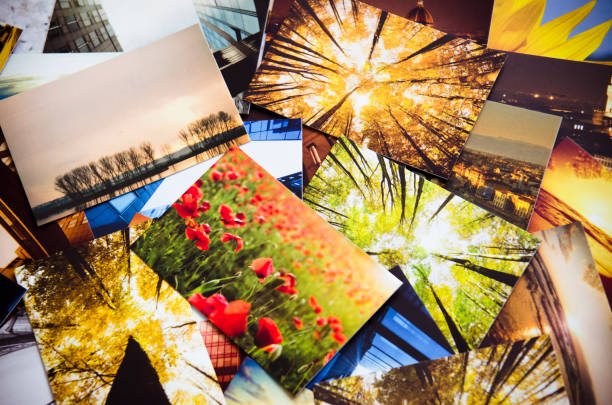
Ever wondered why some printed photos look amazing while others fade quickly or look dull? The secret lies in the ink! Let’s break down how different ink formulas affect your photo prints in a way that’s easy to understand.
What Is Ink Formulation?
Think of printer ink formulation like a recipe. Just as different recipes create different cakes, different ink formulas create different print results. Printer manufacturers carefully mix chemicals, pigments, and liquids to create inks that work best for specific purposes.
For photos, the ink formula determines:
- How vibrant your colours look
- How long your prints last
- Whether they’re waterproof
- How quickly they dry
- The level of detail you get
The Two Main Types of Printer Ink
Dye-Based Ink
What it is: Dye-based ink is like food colouring, the colour is dissolved completely in liquid.
Best for:
- Brilliant, vibrant colours
- Smooth colour transitions
- Photo printing
- Glossy paper
Pros:
- Produces incredibly rich, vivid colours
- Perfect for photos with bright blues, greens, and reds
- Gives you that “professional photo lab” look
- Usually cheaper than pigment ink
Cons:
- Fades faster when exposed to light
- Not waterproof, smudges if it gets wet
- Can fade in as little as 5-10 years if not stored properly
Real-world example: If you’ve ever printed a photo at home and noticed the blues look absolutely stunning, you’re probably using dye-based ink!
Pigment-Based Ink
What it is: Pigment ink contains tiny solid particles suspended in liquid, like mixing sand into water.
Best for:
- Long-lasting prints
- Text documents
- Professional archival photos
- Matte and fine art papers
Pros:
- Prints lasts for years without fading
- Waterproof and smudge-resistant
- Excellent for black-and-white photos
- UV resistant
Cons:
- Colours aren’t quite as vibrant as dye-based
- Can look slightly duller on glossy paper
- Generally more expensive
- May show slight texture on some papers
Real-world example: Museums and professional photographers use pigment inks because they want prints that last for generations.
Special Ink Formulations for Photos
ChromaLife100 and ChromaLife100+ (Canon)
Canon’s special formula combines dye-based inks with improved fade resistance.
What makes it special:
- Vibrant colours that look like professional prints
- Works with both home and professional Canon printers
Perfect for: Family photos you want to keep in albums or frame
Claria Ink (Epson)
Epson’s Claria ink is designed for home photo printing with excellent results.
What makes it special:
- Combines vivid colours with better fade resistance than regular dye ink
- Works beautifully on both plain and photo paper
- Photos resist yellowing over time
- Good protection against water and smudging
Perfect for: Everyday photo printing and documents
DURABrite Ultra (Epson)
A pigment-based ink that’s fantastic for both photos and documents.
What makes it special:
- Smudge-proof and water-resistant immediately after printing
- Colours last up to 84 years
- Works on plain paper and photo paper
- Highlighter-proof for documents
Perfect for: Photos you might handle frequently or business documents with photos
Vivera Ink (HP)
HP’s photo ink formula designed for long-lasting prints.
What makes it special:
- Photos last up to 200 years in albums
- Rich, accurate colours
- Quick-drying formula
- Available in both 4-colour and 6-colour versions
Perfect for: Archival quality photos and professional-looking prints
Understanding Colour Sets
4-Colour Systems (CMYK)
The basic formula: Cyan, Magenta, Yellow, and Black
How it works: These four colours mix together to create all other colours. It’s like having just red, blue, and yellow paint, you can mix them to make green, purple, orange, and everything else.
Good for:
- Basic photo printing
- Everyday use
- Budget-friendly printing
Limitations:
- Can struggle with certain shades (like skin tones or sky blues)
- Might see slight colour banding in gradients
6-Colour Systems
Adds Light Cyan and Light Magenta to the standard four
How it works: These extra light colours help create smoother transitions and more accurate tones.
Benefits:
- Better skin tones in portraits
- Smoother colour gradients (like sunsets)
- More detailed shadows and highlights
- Professional-quality results
Perfect for: Serious photo enthusiasts
8+ Colour Systems
Professional systems add even more colours like grey, light grey, orange, and green
Benefits:
- Museum-quality prints
- The most accurate colour reproduction
- Widest range of colours possible
Perfect for: Professional photographers and fine art printing
How Ink Affects Different Photo Types
Portraits
Best ink: 6-colour systems with dye-based or hybrid formulas
Why: The extra light colours create natural-looking skin tones without that “artificial” look.
Tip: If you print lots of portraits, invest in a printer with light magenta and light cyan cartridges.
Landscapes
Best ink: Pigment-based or DURABrite-type formulas
Why: Landscapes often get framed and displayed, so you want prints that last. Pigment inks give you rich greens, blues, and earth tones that won’t fade.
Tip: For sunset photos, a 6-colour system creates those smooth colour transitions from orange to pink to purple.
Black-and-White Photos
Best ink: Pigment-based with dedicated grey cartridges
Why: Standard colour inks can create a slight colour cast in black-and-white prints. Dedicated grey or black inks produce true neutral tones.
Tip: Some printers have multiple black cartridges (matte black and photo black) use photo black for glossy prints and matte black for fine art papers.
Action and Sports Photos
Best ink: Quick-drying formulas like DURABrite or pigment inks
Why: These prints often get handled more, so water and smudge resistance matter. Plus, sharp details are crucial for capturing movement.
Matching Ink to Paper
Here’s a secret: Your ink and paper need to work together!
Glossy Photo Paper
- Best with: Dye-based inks or photo-specific formulas
- Result: Maximum colour vibrancy and that “photo lab” shine
- Avoid: Heavy pigment inks can look dull on glossy paper
Matte Photo Paper
- Best with: Pigment inks
- Result: Rich colours without glare, professional look
- Perfect for: Fine art prints and black-and-white photos
Plain Paper
- Best with: Pigment or DURABrite-type inks
- Result: Sharp text and decent photo quality without bleeding
- Avoid: Dye inks can bleed and look blurry on plain paper
Fine Art Paper
- Best with: High-quality pigment inks
- Result: Gallery-quality prints with incredible detail
- Investment: Both the paper and ink are pricier, but worth it for special prints
How to Make Your Photos Last Longer
Even with the best ink, you need to care for your prints:
1. Use the Right Paper Match your ink type to appropriate paper. Check your ink cartridge packaging for recommendations.
2. Store Properly
- Keep photos in albums away from direct sunlight
- Avoid humid areas
3. Frame with UV Glass UV-protective glass blocks harmful light that causes fading.
4. Handle Carefully Oils from your fingers can affect prints. Hold them by the edges or wear cotton gloves for precious photos.
5. Make Backups Always keep digital copies of important photos. Prints are wonderful, but digital files last forever!
The Bottom Line
Here’s what to remember:
For stunning, vibrant family photos: Choose dye-based inks or colour-specific formulas like ChromaLife100+ or Vivera. Use glossy photo paper for the best results.
For photos you want to last forever: Go with pigment-based inks like DURABrite Ultra. They might look slightly less vibrant, but they’ll still look great in 100 years!
For professional-quality prints: Invest in a 6-colour or 8-colour system with high-quality pigment inks and proper photo paper.
For everyday printing: Hybrid formulas like Claria ink give you a good balance of colour and durability without breaking the bank.
Making the Right Choice
Think about what matters most to you:
- Colour vibrancy? Choose Dye-based inks
- Longevity? Choose Pigment inks
- Budget-friendly? Choose 4-colour systems
- Professional quality? Choose 6+ colour systems
- Both photos and documents? Choose Hybrid formulas like DURABrite
Remember: The most expensive ink isn’t always the best choice, it’s about matching the right ink to your needs!
