



Key Takeaways
- Headwear trends often mirror societal and cultural shifts.
- Technological advancements are influencing modern headwear designs.
- Sustainability and ethical production are becoming central to headwear fashion.
Table of Contents
- Introduction
- Historical Significance of Headwear
- Modern Resurgence of Classic Styles
- Technological Integration in Headwear
- Sustainability and Ethical Production
- Headwear as a Symbol of Identity
- Conclusion
Headwear has always been a vivid reflection of wider social and cultural transformations, serving as more than a simple garment or accessory. As taste evolves and cultural identities shift, the hats we wear become subtle signals of both personal expression and collective consciousness. Whether through the revival of classic hats or the embrace of sustainability, today’s trends highlight not just fashion sensibilities but also broader values. In fact, the growing interest in custom branded beanies and unique hat designs speaks volumes about how people seek to communicate identity and affiliation in a rapidly changing world.
Modern headwear trends now move in step with wider societal currents. These accessories often signify not only personal style but the priorities of the times, from ethical sourcing to technological ingenuity. This ever-evolving landscape means that even everyday hats take on new meaning, whether through innovative features or heightened attention to environmental impact.
Historical Significance of Headwear
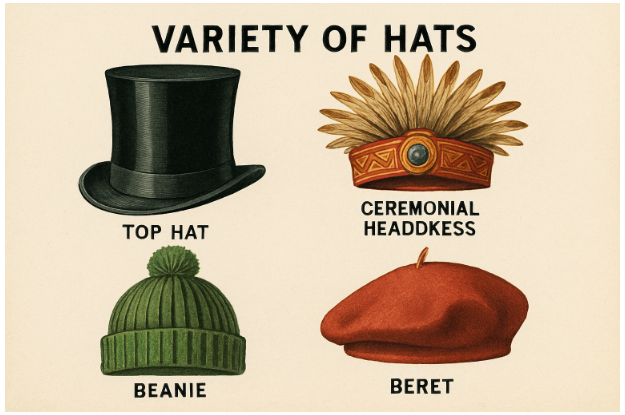
The story of headwear is deeply entwined with history and society. Throughout the centuries, hats have served as powerful status symbols, social identifiers, and markers of profession or class. In Edwardian England, the top hat denoted affluence and authority among men, while the elaborately decorated bonnet announced a woman’s grace and position. Such items were part of a visual code that indicated not just personal wealth or taste but also social rank and even political allegiance. The way headwear defined and communicated hierarchies in past societies remains a subject of interest for cultural historians today.
Beyond the West, headwear also played crucial roles in non-European cultures, from the ceremonial headdresses of Native American tribes to the practical and symbolic turbans found throughout South Asia. Across the globe, hats continue to serve as both cultural emblems and personal statements, influencing perceptions and interactions.
Modern Resurgence of Classic Styles
Today, fashion frequently revisits the past, and headwear is no exception. The resurgence of timeless shapes like the bucket hat, beret, and fedora speaks to a broader appetite for nostalgia and authenticity. Designers such as Miu Miu and Gucci have prominently featured vintage styles in recent collections, drawing inspiration from the Roaring Twenties or postwar urban chic. The subtle reinvention of these classics marks a shift toward “quiet luxury,” with a focus on understated elegance, refined taste, and quality over excessive branding or ornamentation.
This return to heritage also marks a reaction against fast fashion and fleeting trends. Many consumers are choosing pieces with longevity and soul, seeking not just to look stylish but to feel connected to a larger sense of history and culture. Accessories such as hats not only serve practical purposes but also hold long-standing emotional resonance, forging a tangible link between past generations and contemporary society.
Technological Integration in Headwear
As the worlds of technology and fashion increasingly intersect, headwear is becoming both smarter and more versatile. Innovative materials and integrated electronics are now common in the latest collections. Headbands with embedded UV sensors or baseball caps with hydration monitoring are making waves among outdoor enthusiasts and urban commuters alike. Some forward-thinking brands are even embedding solar panels into hat brims, transforming these accessories into sources of renewable energy that can charge mobile devices.
With the proliferation of wearables, headwear is fast becoming a conduit for health, safety, and convenience. Designers are mindful of merging function with form, ensuring that technological enhancements add value without sacrificing style or comfort. Wearable tech is not only shaping individual habits but also shifting the expectations of what headwear can be.
Sustainability and Ethical Production
Growing global awareness of environmental challenges is prompting the headwear industry to rethink its sourcing and production practices. Many brands now champion biodegradable fibers such as organic cotton, hemp, and bamboo, as well as recycled materials from plastic waste and old garments. Artisanal hat-making is seeing a revival, with handwoven designs from indigenous and local communities gaining recognition for their craftsmanship and authenticity.
Consumers are demanding transparency in supply chains and supporting companies that uphold fair labor practices and minimize ecological footprints. The focus on longevity and recycling heralds a significant shift away from throwaway culture, pointing toward a more responsible, conscientious approach to fashion as a whole. As the sustainability conversation evolves, headwear designers are experimenting with upcycled textiles and regenerative agricultural practices, signaling a future where fashion and environmental responsibility go hand in hand.
Headwear as a Symbol of Identity
Throughout history and into the present, hats have expressed individuality and group belonging. Urban streetwear fans wear flat-brim caps as an emblem of their cultural scene, while a felt fedora or a hand-knitted beanie might signify artistic flair or a preference for vintage aesthetics. Increasingly, brands are embracing gender-neutral styles and collections, blurring the lines and creating space for inclusivity, cultural hybridity, and the full spectrum of gender expression.
Headwear thus becomes not only protection from the elements, but a deeply personal and visible declaration of who we are or aspire to be. In contemporary settings, this symbolism is more fluid than ever, enabling wearers to move between identities and communities with ease and authenticity. As styles evolve, the meaning of what’s worn on the head continues to reflect the dynamism of society and shifting cultural narratives.
Conclusion
The evolution of headwear provides a compelling lens through which to view ongoing cultural shifts. In every era, the hats people wear have functioned as mirrors for personal values and the broader environment. Whether through the revival of classic forms, the penetration of smart technologies, or the commitment to ethical production, headwear continues to chronicle the spirit of its time. As society and style move forward, these carefully chosen accessories will surely remain powerful indicators of both individuality and collective change. As these trends evolve, the future of headwear looks set to remain as meaningful and diverse as the societies that inspire its many transformations.
