



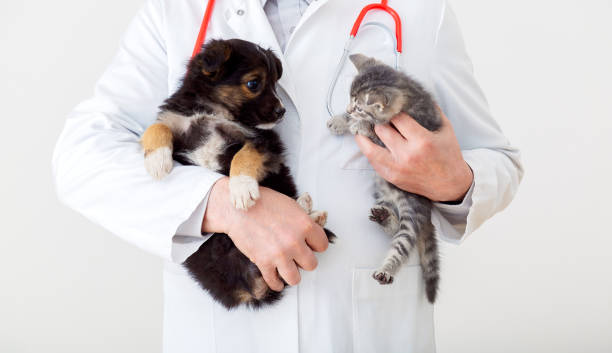
Your new puppy or kitten depends on you for everything. That trust can feel heavy. It should. Early care shapes how your pet grows, feels, and behaves. Animal hospitals guide you through each stage so you never guess about what your young pet needs. First visits focus on simple steps. You learn about vaccines, feeding, sleep, and early training. You also learn what is normal and what is a warning sign. Every checkup tracks growth, teeth, joints, and senses. Each visit builds a record that protects your pet later in life. If you see a veterinarian in Bakersfield, CA, you can expect clear plans for each month of your pet’s first year. You get direct answers. You leave knowing what to watch for, what to encourage, and what to avoid. That structure turns fear into steady care.
Why Early Veterinary Visits Matter
Puppies and kittens grow fast. Their bodies and brains change every week. Missed visits mean missed problems. Some issues stay hidden until they cause pain. Others affect behavior for life.
During early visits, the care team will:
- Check weight and body shape
- Listen to heart and lungs
- Look at eyes, ears, mouth, and skin
- Discuss food, sleep, and play
These visits create a steady rhythm. Your pet learns that exams are safe. That calm habit lowers stress when your pet needs care later.
Vaccine Schedules And Disease Prevention
Young pets have weak defenses. Vaccines train the body to fight disease. Timing matters. One missed shot can leave a gap in protection.
Puppy And Kitten Core Vaccine Timeline (Typical)
| Age | Puppies | Kittens |
|---|---|---|
| 6 to 8 weeks | First distemper combo | First FVRCP combo |
| 10 to 12 weeks | Second distemper combo | Second FVRCP combo |
| 12 to 16 weeks | Rabies plus third distemper combo | Rabies plus third FVRCP combo |
| 16 to 20 weeks | Parvo and other risk-based vaccines if needed | FeLV and other risk-based vaccines if needed |
Animal hospitals use national guidance to plan this schedule. You can review vaccine basics from the Centers for Disease Control and Prevention and from University of Illinois veterinary experts. These sources explain how vaccines protect both pets and people.
Parasite Checks And Protection
Fleas, ticks, and worms drain young pets. Some spread disease to people. Routine tests look for hidden parasites in stool and blood. Staff also check the skin and coat.
Your care plan often includes:
- Monthly heartworm prevention
- Flea and tick products
- Regular stool checks
Prompt treatment keeps your home safer and protects children who play with your pet.
Nutrition For Growing Bodies
Food shapes bone strength, brain growth, and energy. A simple label on a bag can confuse any parent. Animal hospitals cut through that noise.
During visits, staff will:
- Confirm you use puppy or kitten specific food
- Set meal sizes and feeding times
- Talk about treats and table food
Large breed puppies need special plans to protect joints. Kittens need higher protein. Your team adjusts the plan as weight and growth change.
Socialization and Behavior Guidance
Young pets learn fast. They also form fears fast. A hospital visit is a chance to shape behavior, not only fix it.
Staff often help you with three key habits:
- Handling practice for paws, ears, and mouth
- Crate and litter box training
- Safe play with children and other pets
They warn you about rough play, biting, or hiding. Early help prevents future bites and scratches. It also reduces surrender to shelters.
Spay, Neuter, and Growth Milestones
Animal hospitals track more than height and weight. They also watch teeth and bones. These checks guide the right time for spay or neuter surgery.
By watching growth charts and exam notes, your team can:
- Choose a surgery age that fits the breed and size
- Plan pain control and home care
- Reduce risk of roaming and unwanted litters
These choices protect your pet and ease strain on local shelters.
Typical Visit Schedule For Puppies And Kittens
First Year Visit Pattern
| Age | Purpose | Common Actions |
|---|---|---|
| 6 to 8 weeks | New pet exam | Physical exam, first vaccines, stool test |
| 10 to 12 weeks | Growth check | Exam, second vaccines, parasite plan |
| 12 to 16 weeks | Stronger protection | Exam, core vaccines, behavior review |
| 4 to 6 months | Pre surgery review | Exam, weight check, spay or neuter talk |
| 6 to 12 months | Teen check | Exam, booster shots, diet, and training review |
How Animal Hospitals Support You
Caring for a young pet can feel lonely. A strong hospital team shares that weight with you. They give you three things that matter most.
- Clear facts about health and behavior
- Simple steps you can follow at home
- Ongoing support when problems appear
You bring love and daily care. They bring medical skill and steady guidance. Together, you shape a safe, calm life for your puppy or kitten.
