



When it comes to managing pest birds in commercial and industrial environments, businesses face a delicate balance. On one hand, birds like seagulls, pigeons, and starlings can create real challenges; from property damage and slip hazards to compliance risks and equipment downtime. On the other hand, companies are under increasing pressure to adopt control measures that are humane, environmentally friendly, and effective over the long term.
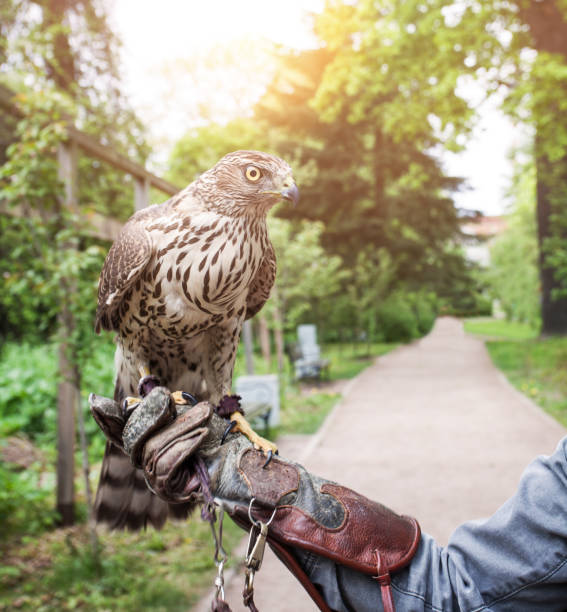
One of the oldest and most natural bird deterrent methods in the world, falconry is making a resurgence as a modern solution. Falconry bird control programs leverage trained birds of prey to manage pest bird populations safely and sustainably, offering businesses a unique advantage over conventional deterrents.
Why Businesses Turn to Falconry
Unlike physical exclusion systems such as bird netting or spikes, falconry creates an ecological pressure that changes pest bird behavior at its source. Birds instinctively recognize falcons as predators, and their presence immediately alters flocking, feeding, and nesting patterns. This creates what many in the industry refer to as an “invisible barrier” where birds choose to vacate and avoid protected areas without the need for constant physical intervention.
For large, open sites where netting or structural barriers aren’t practical, falconry can be especially valuable. Warehouses, airports, landfills, solar farms, and even utility substations are examples of environments where traditional methods often fall short. Businesses in these industries increasingly turn to AviAway’s Falconry Services for reliable protection that adapts to their unique operational needs.
The Process Behind Falconry Bird Control
A professional falconry program goes far beyond simply releasing a bird of prey onsite. Certified handlers work with trained raptors (hawks, falcons, or other species suited to the environment) in carefully timed flights designed to maximize deterrence.
The approach is strategic:
- Site assessment determines the pest bird species, flock size, and activity patterns.
- Tailored flight schedules are created to condition problem birds to avoid the site.
- Adaptive management ensures deterrence is maintained without causing harm to non-target species.
Because the method relies on instinctive predator-prey relationships, pest birds don’t habituate to falconry the way they sometimes do with noisemakers, scare devices, or visual deterrents.
Benefits of Falconry for Commercial Sites
For business leaders, the advantages of implementing falconry services are clear:
- Effective for Large-Scale Sites: Works where structural deterrents can’t be installed.
- Flexible Application: Can be integrated with other bird control methods for long-term success.
- Positive Public Perception: A natural and sustainable solution aligns with corporate social responsibility goals.
By combining centuries-old practices with modern expertise, falconry offers a compelling solution for organizations seeking to balance efficiency, compliance, and sustainability.
Choosing the Right Partner
Falconry requires expertise, proper licensing, and experienced handlers to achieve consistent results. That’s why businesses seeking this solution should partner with professionals who specialize in large-scale bird control programs.
At Aviaway, companies gain access to a nationwide team with the training, equipment, and field experience needed to deploy comprehensive bird control methods effectively. Whether protecting an industrial facility, commercial site, or utility infrastructure, AviAway provides tailored programs that address immediate concerns while reducing long-term risk.
