



Table of Contents
- Clear Policies and Consistent Application
- Open Communication Channels
- Commitment to Fair Compensation
- Regular Training and Education
- Establishing Appeals Processes
- Promoting Diversity, Equity, and Inclusion
- Recognizing and Rewarding Contributions
- Continuous Improvement and Feedback
Ensuring a fair and respectful workplace is essential for both employee well-being and organizational success. When respect and equality are prioritized, teams experience increased motivation, trust, and collaboration. Seeking guidance from experienced professionals, such as Denver employment lawyers, can help organizations navigate complex employment laws and foster an equitable environment. A fair workplace emphasizes clear expectations and minimizes ambiguity in procedures. When employees understand decision-making processes and trust that policies are applied impartially, organizational health is enhanced. Transparency and open communication encourage employees to bring their best selves to work each day. The positive impact of workplace fairness is significant—it reduces conflicts and grievances while driving performance, retention, and innovation. Organizations committed to fairness ensure that everyone, from leadership to entry-level staff, is treated equitably. By prioritizing fair treatment, companies strengthen their reputation and resilience in a competitive market. Fair treatment forms the foundation of successful workplace relationships, influencing everything from compensation practices to the reception and implementation of feedback. Implementing these practices is crucial for leaders aiming to empower their teams both in the short and long term.
Clear Policies and Consistent Application
Clearly defined workplace policies are the backbone of a fair organization. Ambiguity in rules and procedures can lead to misunderstandings, creating perceptions of favoritism or unfair treatment. Each policy, whether related to attendance, conduct, or disciplinary action, should be documented in an employee handbook and easily accessible to all staff. Consistent application of these policies, regardless of position or tenure, ensures fairness.
Regular reviews and updates to policies help ensure they align with evolving legal standards and workplace needs. Consistency in implementation fosters mutual trust and sets clear expectations for appropriate workplace behavior.
Open Communication Channels
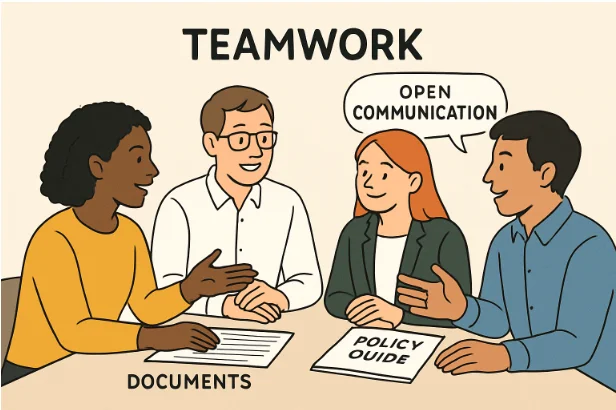
Open lines of communication empower employees and managers to address issues proactively, preventing them from escalating. Initiatives such as regular town halls, one-on-one check-ins, and confidential surveys provide a safe environment for team members to voice their concerns. Creating avenues for upward feedback fosters transparency and builds organizational trust. A transparent approach to decision-making and company updates demonstrates respect for employees’ opinions and encourages their engagement with company initiatives. When leaders model honest, two-way communication, it nurtures a sense of belonging and gives staff the confidence to participate actively in workplace improvements. According to the Society for Human Resource Management, organizations that prioritize open communication see higher employee satisfaction and lower turnover rates.
Commitment to Fair Compensation
Equitable pay practices are a core element of a fair workplace. Job roles with similar responsibilities should be compensated comparably, regardless of the employee’s gender, ethnicity, or other protected factors. Conducting regular salary audits and benchmarking wages against industry standards helps ensure that compensation remains competitive and unbiased. Transparent pay structures, clear explanations of bonus criteria, and accessible salary bands further minimize potential for resentment or suspicion within the workforce. An organization’s commitment to fair pay also extends to other forms of recognition, such as bonuses, benefits, and opportunities for advancement. Transparent and equitable processes for these resources foster a sense of value and belonging among all staff members.
Regular Training and Education
Ongoing education is essential for maintaining an inclusive and respectful workplace environment. Regular workshops on topics such as harassment prevention, diversity, and unconscious bias help employees stay informed and aware of their responsibilities. Programs like the Respect@Work Package offer tailored training to empower teams with practical strategies for addressing inappropriate behavior and fostering inclusion. Investing in training not only mitigates the risk of legal issues but also cultivates a shared sense of purpose and respect among colleagues. Management’s participation in these programs demonstrates its commitment to leading by example.
Establishing Appeals Processes
Employees must have access to a fair and transparent process for appealing workplace decisions or addressing grievances. A structured and impartial appeals system enables individuals to seek redress when they believe they have been treated unjustly. This could include a formal complaints procedure, mediation services, or an independent review panel. Providing such mechanisms reassures staff that their voices will be heard and that fairness is a priority. According to a recent article in Forbes, robust appeals processes contribute significantly to employee engagement and morale.
Promoting Diversity, Equity, and Inclusion
Embedding diversity, equity, and inclusion (DEI) into every aspect of workplace culture is essential for fairness. Organizations must go beyond mere compliance and actively create environments where every employee feels welcomed and valued. Initiatives may include DEI committees, targeted recruitment measures, and regular training designed to eliminate bias and enhance cultural competence. External organizations such as the United Steelworkers champion the pursuit of equality and fair treatment in the workplace, promoting practical steps to eliminate all forms of discrimination. Initiatives at this level help organizations stay at the forefront of fair workplace practices.
Recognizing and Rewarding Contributions
Formal recognition programs reinforce positive behaviors and inspire employees to thrive. Structured opportunities for recognition—such as employee awards, thank-you notes, and public acknowledgment—boost morale while demonstrating appreciation for hard work. Transparent promotion and reward criteria ensure that rewards are distributed on merit and not subject to favoritism. Regular, constructive feedback during performance reviews can help employees map their progression and set actionable goals, tying recognition directly to individual development and organizational objectives.
Continuous Improvement and Feedback
Organizations should regularly solicit employee feedback and be willing to adapt to it. This could mean updating workplace policies, addressing new challenges, and staying current on best practices. Leaders must remain open to suggestions and demonstrate a commitment to ongoing improvement. Implementing systems for collecting and acting on feedback—such as suggestion boxes, pulse surveys, and dedicated listening sessions—signals genuine respect for employee input. Reporting findings back to staff and celebrating changes that result from their suggestions completes the feedback loop. Fostering fairness and respect isn’t a one-time initiative; it’s a continuous journey that shapes organizational culture and impacts every employee. Consistently applying these strategies leads to increased job satisfaction, enhanced performance, and sustained long-term organizational success.
