



Key Takeaways
- Good Faith Examinations (GFEs) are crucial for ensuring patient safety and maintaining legal compliance in healthcare.
- GFEs safeguard patient rights, especially regarding informed consent for sensitive procedures.
- Telemedicine requires adapted, yet equally rigorous, GFE protocols.
- Best practices and technology can streamline GFEs and minimize administrative burden.
- Patient-centered care is strengthened through transparent, thorough evaluations.
Understanding Good Faith Examinations
Healthcare systems are built on the fundamental principles of patient safety, ethical care, and regulatory compliance. One cornerstone of these principles is the Good Faith Examination (GFE), a structured process ensuring that each medical decision is appropriate for the patient’s unique medical context. Rather than being a mere bureaucratic formality, the GFE allows practitioners to thoroughly engage with the complexities of each patient’s health history and current complaints. Through detailed patient assessments, physicians uphold standards that prevent unnecessary procedures and safeguard the well-being of those they treat. To explore how a good faith exam can protect healthcare professionals from regulatory pitfalls, as well as patients from harm, it is essential to consider GFEs as more than a compliance checklist—they represent a proactive, ethical approach to medicine.
At its core, a GFE is a comprehensive review of the patient’s medical history, relevant symptoms, potential treatment risks, and expected outcomes. This evidence-based evaluation ensures care is medically necessary and provided transparently, reinforcing trust between providers and patients. Taking the time for a good-faith examination supports thoughtful clinical decision-making and reduces the chance of errors or miscommunication. It also establishes a clear line of responsibility, showing that the physician has considered the patient’s needs and preferences at every juncture.
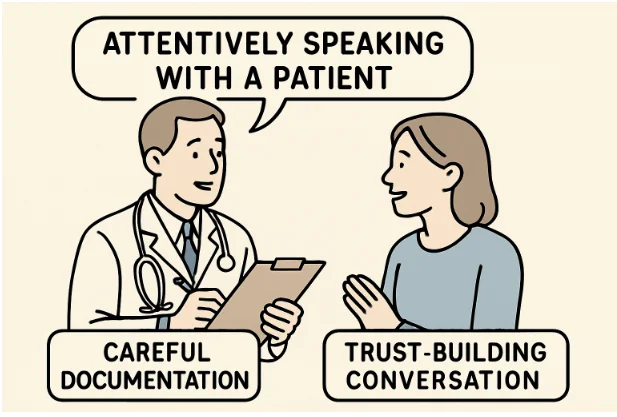
Moreover, GFEs foster an environment where patients feel empowered to discuss their history, symptoms, and concerns openly. This dialogue not only uncovers critical health information that may not be readily apparent but also builds trust by demonstrating the provider’s commitment to individualized care. In busy practices, adhering to a well-defined GFE framework ensures that no aspect of the patient’s story or risk profile is overlooked, regardless of time pressures or complexity.
The Legal Imperative for GFEs
Legal and ethical standards for GFEs have tightened due to patient advocacy, laws, and professional standards. As the New York Times notes, new federal rules now require written consent before certain intimate procedures, especially when the patient is unconscious. These changes aim to protect patient autonomy and eliminate outdated practices of examinations without patient knowledge. Regulatory agencies and medical boards ensure compliance, and failure to document thoroughly can result in discipline, malpractice claims, or damage to one’s reputation. Adhering to GFE laws is crucial for ethics, risk management, and maintaining public trust. Proper documentation and communication are essential; providers must justify procedures, involve patients in decision-making, and record informed consent. Accurate GFEs serve as legal protection by documenting clinical reasoning, consent, and patient preferences, showing all actions prioritize the patient’s best interests.
Integrating GFEs into Telemedicine
The digital health revolution, accelerated in recent years by necessity and innovation, has introduced fresh challenges for GFEs. In telemedicine, practitioners must continue to conduct thorough reviews, even when interacting virtually. This means leveraging technology to collect accurate histories, solicit comprehensive information, and document encounters securely and in compliance with regulations.
Telehealth does not diminish the responsibility to perform full and systematic GFEs. The expectation is clear: while care delivery channels are modernized, patient safety protocols must be unwavering. Physicians can utilize telehealth platforms to facilitate video consultations, employ electronic health record (EHR) integrations, and maintain clear consent procedures, ensuring that GFE standards are consistently met, regardless of the setting.
Telemedicine presents unique opportunities and pitfalls. Physical assessments may be limited, but detailed verbal exams and digital documentation can still support accurate diagnoses. Providers must be diligent in ensuring that every required element of the GFE—from taking a history to documenting consent and shared decision-making—remains intact. By utilizing secure video, digital forms, and seamless communication systems, providers can effectively navigate compliance issues and maintain high standards of care.
Challenges in Implementing GFEs
Despite benefits, adopting GFEs faces obstacles. Many clinics report increased administrative tasks due to new regulations on patient consent, estimates, and documentation. Over 80% of practices, especially smaller ones, struggle with detailed cost and care estimates, raising risks if documentation is incomplete. Overcoming these barriers requires staff training, compliant EHRs, and streamlined procedures to prevent delays. Automation helps, but it needs time, resources, and quality checks. Smaller practices must balance these demands without harming patient care. Success can position them as trustworthy, patient-centered providers committed to excellence and legal compliance.
Best Practices for Conducting GFEs
- Comprehensive Documentation: Maintain detailed, real-time records of the examination process, physician findings, patient questions, and final consent. This ensures evidence is available in case of legal queries or audits. Thorough documentation not only reduces liability but also allows for continuity of care if providers change or cases become complex.
- Patient Education: Foster open dialogue. Use plain language, explain the rationale behind every procedure, and answer patient questions to ensure true informed consent. Patients are more likely to share relevant information and comply with treatment if they feel their understanding is prioritized.
- Ongoing Staff Training: Regular workshops and digital learning modules keep all care team members updated on best practices and emerging regulatory requirements. Well-trained staff are better equipped to recognize potential issues and apply GFE principles consistently, reducing the risk of errors or oversights.
- Leveraging Technology: EHRs and telemedicine platforms support seamless documentation and enable secure communication, reducing the burden of manual paperwork and enhancing compliance tracking.
These strategies align GFEs with a sustainable, scalable approach to healthcare delivery, marrying efficiency with robust patient protections. A technology-forward approach, when well-managed, can minimize disruption and enable providers to focus on delivering meaningful care.
The Role of GFEs in Patient-Centered Care
GFEs transcend regulatory mandates; they are foundational to patient-centered medicine. When clinicians conduct thorough, individualized evaluations and partner with patients in care decisions, they foster trust and shared accountability. This partnership yields measurable improvements in safety, adherence, satisfaction, and ultimately, health outcomes. Patients who feel heard and respected are more likely to engage actively in their treatment and recovery journeys.
Patient-centered care also relies on empowering the patient. GFEs, when executed correctly, foster mutual understanding and respect. This lays the groundwork not only for good outcomes but also for strong provider-patient relationships over time, which are associated with fewer complaints, improved long-term health, and greater satisfaction for both parties.
Conclusion
As the healthcare environment evolves—with telehealth, new procedures, and emerging patient protections—Good Faith Examinations remain a linchpin for ensuring safe, ethical, and compassionate care delivery. By embracing both rigorous procedural standards and new digital solutions, providers can navigate the regulatory landscape while affirming their commitment to the highest standards of patient care.
Fundamentally, GFEs reflect the values of medicine: listening, understanding, and prioritizing the patient’s needs. Every good faith examination is an opportunity to promote these values in practice, one patient at a time.
