



Key Takeaways:
- Crushed concrete is a sustainable building material with numerous environmental benefits.
- Its use in construction projects can significantly reduce costs and ecological footprints.
- Incorporating recycled materials like crushed concrete opens new urban development and infrastructure possibilities.
Table of Contents:
- Introduction to Eco-Friendly Building Materials
- Understanding Crushed Concrete
- Environmental Benefits of Using Crushed Concrete
- Cost-Effectiveness and Economic Advantages
- Applications in Construction
- Future of Sustainable Building Practices
- Addressing Common Concerns
- Conclusion
Introduction to Eco-Friendly Building Materials
The construction industry is facing increasing pressure to develop more sustainably. Amidst the growing urban sprawl, the demand for https://arcosacrushedconcrete.com//region/texas-south/products/crushed-concrete-for-sale/ has surged, embodying one of the most practical solutions for eco-conscious construction. With the global focus shifting toward reducing carbon footprints and conserving natural resources, builders and developers seek alternative materials that do not compromise durability and cost-effectiveness.
Understanding Crushed Concrete
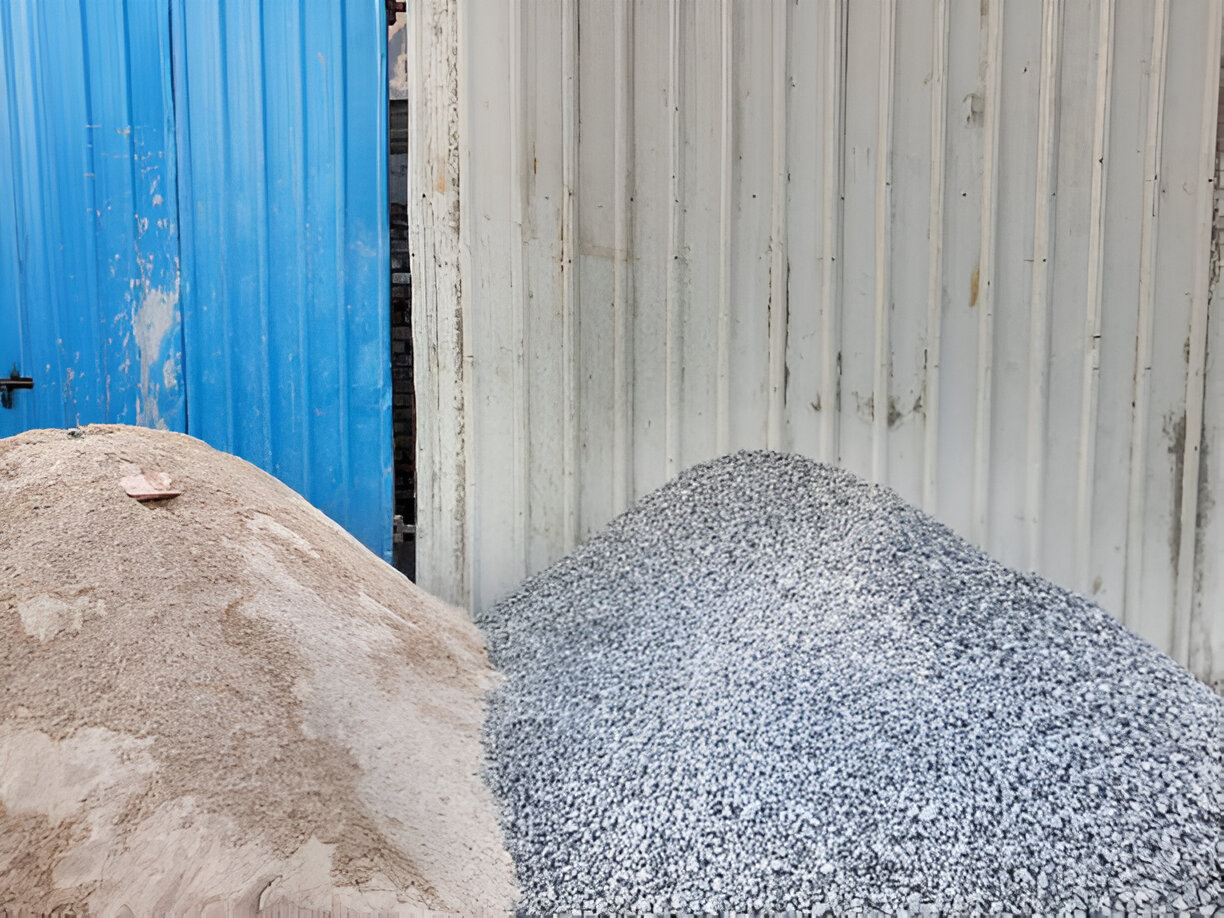
Crushed concrete emerges as a prominent player in sustainable building materials. Concrete has been recycled from deconstructed sites, where old structures are broken down and transformed into aggregate gravel. This process conserves valuable landfill space and minimizes the extraction and consumption of virgin natural resources, such as sand and gravel. Crushed concrete is pivotal in promoting environmental sustainability by reducing the need to introduce new raw materials into the industrial cycle.
Environmental Benefits of Using Crushed Concrete
The environmental advantages of crushed concrete stretch beyond its initial production. Using crushed concrete significantly reduces the material sent to landfills while decreasing the demand for fresh aggregates. Notably, production processes associated with new concrete generate substantial quantities of CO2 emissions. This footprint can be markedly reduced by recycling existing concrete, aiding the mission to combat climate change. Embracing recycled concrete materials is an actionable step toward achieving more sustainable practices within the industry.
Cost-Effectiveness and Economic Advantages
The economic implications of using crushed concrete are equally compelling. One of the primary cost advantages is associated with its production—recycled materials like crushed concrete are typically less expensive than manufacturing new concrete due to lower raw material and processing requirements. In addition, by opting for recycled materials, developers can reduce costs related to transportation and waste disposal. It can result in significant savings, especially on large-scale construction projects, making it an economically viable choice for developers and contractors.
Applications in Construction
Crushed concrete is known for its versatility, finding applications in many construction scenarios. It is frequently used as a base material for roads and highways, offering stability and support for heavy loads. Additionally, it serves a functional purpose in backfill processes, drainage projects, and landscape supplies. The material’s adaptability makes it a favored choice in industrial and residential construction projects, allowing for successful integration in various architectural plans without sacrificing quality or structural integrity.
Future of Sustainable Building Practices
The pivot towards sustainable building practices is more than a trend; it’s a necessity dictated by the environmental challenges of the 21st century. As the population grows and development continues, the imperative to manage our resources responsibly becomes ever more pressing. Crushed concrete offers a glimpse into the future of green building, presenting a resourceful solution that aligns with broader ecological objectives. Its use symbolizes a commitment to innovative problem-solving and represents a critical step toward sustainable urban expansion.
Addressing Common Concerns
Builders and contractors frequently raise concerns about recycled concrete’s reliability and strength. However, advances in technology and material science have dispelled many of these doubts. Studies highlight crushed concrete’s comparable performance to traditional mixes under specified conditions. Such research advocates for its efficacy and reassures stakeholders of its suitability in demanding construction environments. With proper processing and quality assurance, recycled concrete can match or even exceed expectations.
Conclusion
The movement towards using eco-friendly building materials like crushed concrete reshapes the construction industry. Beyond its clear environmental benefits, the economic gains and adaptable applications make crushed concrete a formidable contender in future building efforts. As industries increasingly embrace sustainable practices and technologies, adopting materials like crushed concrete may redefine modern infrastructure, paving the way for cities that accommodate growth while honoring ecological stewardship.
