



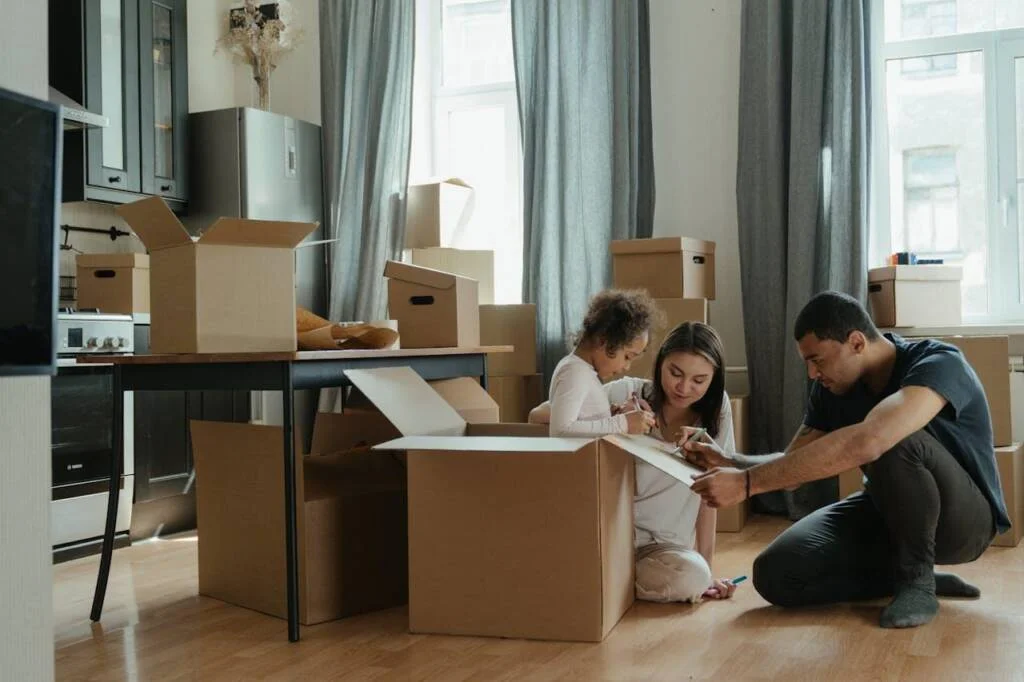
Moving shifts, routines, and emotional anchors. Days feel uncertain until patterns form. You ease that pressure through repeated actions that feel familiar. The practice of creating family rituals turns a blank space into a supportive setting. Children respond to steady cues during change. Adults also benefit from predictable points during mornings and evenings. Each ritual confirms that daily life can feel stable even in a new setting. Habits give structure without long plans or pressure. With consistent actions, the new address becomes part of a shared rhythm.
Start with Daily Predictable Actions
Morning and evening routines shape comfort during early weeks. You keep the wake-up timing steady. Breakfast stays simple and consistent. Bedtime follows clear steps. These simple routines reduce stress and help everyone trust the new schedule.
Relocation creates disorder, so you need a smart unpacking process that supports these routines. You open boxes based on daily needs. Bedrooms and bathrooms come first. Kitchen tools follow. This order reduces frantic searches for basics. Kids settle faster when personal items appear early. Adults keep energy for tasks that matter. This approach builds structure through action.
Daily cues strengthen the new pattern. A short phrase before leaving home confirms readiness. A calm song during cleanup signals that bedtime approaches. Simple repetition creates emotional markers. No long meetings. You focus on steps that fit your energy. Over time, these repeated actions form a reliable flow. Everyone knows what happens next without instruction.
Shape the Space Around Shared Habits
Space design influences how easily habits stick. You place items based on use, not where they just fit. Reading tools sit near a quiet chair. Work materials stay beside a desk. Meal tools sit close to the table. This setup reduces effort and makes daily habits easier.
You also create zones for regular activity. A shared table invites puzzles or drawing. A fixed spot for backpacks ends morning chaos. A cozy corner becomes a reading and calm space. These placements lower resistance — habits begin with less friction.
Stable context cues support lasting habits because behaviors repeated in the same environment gradually become automatic. When space signals routine through layout and placement, you tap into the same effect. You can keep information visible with a wall board that displays weekly plans and reminders, for instance. Children see what’s ahead without needing repeated explanations. Adults avoid repeating the same updates constantly. The home itself signals daily flow and upcoming events.
Plan for Creating Family Rituals
Planning stops rituals from fading after one week. You decide which moments deserve shared action. Mealtime, bedtime, and arrival home create natural points. You select simple actions that feel possible under stress. No complex steps. Rituals survive because they stay small and repeatable.
You treat creating family rituals as an ongoing process. One step links to daily cues. A short gratitude sentence at dinner builds connection. A candle during Sunday breakfast marks shared time. The value comes from repetition, not scale. Everyone participates without pressure. Children learn to expect that moment. Adults grow comfortable with the pattern.
Ideas come from actual needs. You can ask which parts of the day feel tense. Then you match rituals to those points. A brief stretch before homework eases the mental shift, while a short walk after dinner clears energy before bedtime. These choices reduce conflict and increase peace. Over months, rituals shape emotional safety. The new place supports family flow.
Use Local Places to Build New Meaning
Familiarity forms through repeated exposure. You pick nearby spots and return weekly. A small park, a bakery, or a library visit builds comfort. Children start to recognize the route. They understand the area through repetition. That knowledge reduces fear and supports confidence.
Research on adaptation shows repeated visits lower anxiety. Known locations act as anchors during change. Weekly visits create an emotional connection. A bench becomes a meeting point for shared news. A bakery treat becomes a Friday marker. These actions root the family in the community around the home.
Local space becomes part of the family story. You attach meaning to simple routes. A short walk after dinner passes the same mural. A weekend stop at the library feels normal. Over time, these patterns reduce the gap between the family and the area. The surroundings feel supportive instead of confusing.
Hold Family Reflection Moments
Regular feedback keeps rituals useful. You hold short talks once a week. Each person shares what helped and what felt hard. These talks are brief. No long stories. The goal is clarity. This structure grows rituals based on real experience.
Children express their views early. They tell you which actions feel fun. They also share what feels too long. Adults note which habits reduce stress. You gather this input and adjust. Rigid plans create pressure. Flexible plans build trust. Research in family studies shows open communication increases resilience during change. Reflection creates shared ownership.
These moments support growth. The family sees progress in small steps. A new ritual can replace one that failed. Everyone understands the purpose of these actions. They know the rituals exist to support comfort, not control behavior. The practice becomes part of the weekly flow.
Let Rituals Grow and Shift Over Time
Rituals evolve with comfort levels. Early habits focus on reassurance. Later patterns support independence. You check rituals every few months. If something feels forced, you adjust or remove it. The purpose stays clear: reduce stress and build connection.
Season cycles offer change points. Winter may bring story sessions before bed. Warm months may bring evening walks. These adjustments keep rituals fresh without heavy planning. Children often suggest new ideas once they feel safe. A weekly activity choice supports involvement.
Growth shows trust. When children offer suggestions, it means the space feels supportive. You test ideas that match family needs. You keep patterns that work and release patterns that do not. The new home becomes a custom environment built through repetition and review.
Turn Your House Into a Home with Healthy Habits
A new place feels strange until habits shape meaning. The act of creating family rituals forms emotional roots after a move. Repeated actions reduce stress and bring clear structure. Children learn daily flow. Adults feel more organized. You build patterns based on actual needs, not perfect plans. Space supports routine. Local spots become familiar. Reflection keeps actions useful. Over time, simple repeated rituals turn any address into a home with strong emotional anchors.
