



Key Takeaways:
- Digital tools are revolutionizing truck dispatch operations by enhancing efficiency, communication, and decision-making.
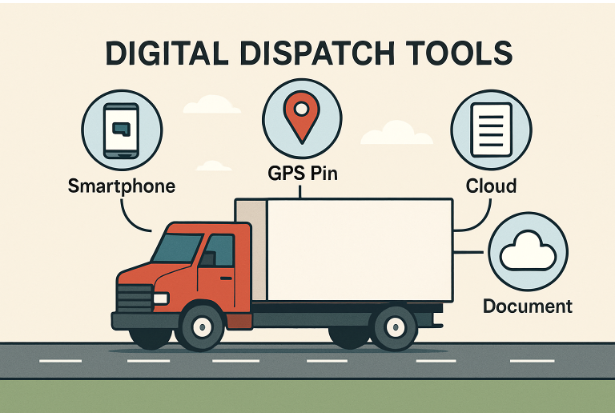
- Technologies such as real-time GPS tracking, mobile dispatching apps, and AI-driven analytics are central to this transformation.
- Adopting these tools can lead to significant cost savings, improved safety, and better customer satisfaction.
Table of Contents:
- Introduction
- Real-Time GPS Tracking
- Mobile Dispatching Apps
- AI-Driven Analytics
- Predictive Maintenance
- Digital Documentation
- Challenges and Considerations
- Conclusion
The rapid advancement of digital tools is transforming nearly every aspect of the trucking industry, particularly within truck dispatch operations. Where once the world of freight logistics relied on paper records and phone calls, today’s dispatchers harness powerful technologies to streamline communication and workflow. Integrating modern solutions such as dispatch software not only improves operational efficiency but also reduces errors and supports better decision-making at every turn.
Digital innovation has become the cornerstone for companies intent on staying competitive in this rapidly changing landscape. Trucking businesses that embrace these advancements can expect improved safety standards, real-time insights, and greater customer satisfaction. As digital transformation deepens, every facet of dispatch, from route planning to documentation, can be optimized for efficiency.
The role of technology goes beyond simply speeding up everyday operations. It actively helps solve long-standing challenges in the industry, such as unexpected delays or inefficient communication between dispatchers and drivers. Ultimately, leveraging technology in this way can lead to healthier bottom lines and more reliable logistics networks.
Even as technology paves the way for an optimized future, the human element remains crucial. Digital tools empower dispatchers and drivers to work smarter and more collaboratively, demonstrating that people and technology must evolve together.
Real-Time GPS Tracking
One of the most game-changing digital solutions in truck dispatch management is real-time GPS tracking. With accurate and continuous vehicle monitoring, dispatchers gain critical insight into each truck’s precise location. This enables them to offer reliable estimated times of arrival (ETAs) and rapidly adapt routes in response to unforeseen traffic, weather, or road closures.
Real-time visibility provides carriers with more control over their fleets and reduces the guesswork for both customers and operators. When delays occur, timely updates foster transparency and trust. As a result, customers enjoy greater predictability while fleets experience fewer disruptions. Enterprises utilizing GPS tracking often see both cost reductions and improvements in service quality.
Mobile Dispatching Apps
Mobile dispatching apps have quickly become essential tools in modern trucking operations. By centralizing communication and documentation within a single, accessible interface, these apps dramatically reduce the need for time-consuming phone calls or paperwork. Dispatchers can instantly assign loads and adjust routes, while drivers can update their status, submit digital documents, and receive route guidance right from their smartphones.
This increased immediacy plays a significant role in reducing errors linked to manual processes. Digital forms and automated workflows help ensure data accuracy, while access to live updates minimizes delays. With everything from load information to electronic signatures available on demand, dispatchers and drivers alike gain the flexibility to solve problems efficiently, keeping shipments on schedule.
AI-Driven Analytics
Artificial intelligence (AI) is taking truck dispatching to the next level by unlocking new insights from vast amounts of operational data. AI-powered systems analyze metrics such as delivery times, fuel consumption, and driver performance to optimize load allocation and routing strategies. These platforms not only help select the most efficient drivers for each job but also use predictive analysis to reduce unnecessary mileage and fuel costs.
Additionally, AI can reveal new strategies for saving money by identifying inefficiencies that might otherwise go unnoticed. For example, it can suggest routes that lower toll costs or highlight low-performing vehicles for proactive attention. The increased intelligence and automation fostered by AI are moving the industry ever closer to fully optimized logistics.
Predictive Maintenance
Predictive maintenance is another technology that is transforming the truck dispatch landscape. Using telematics and sensor data, these systems identify potential vehicle issues before they become serious problems. By flagging engine anomalies, low fluid levels, or other early indicators, companies can schedule maintenance at optimal times and prevent breakdowns.
This proactive approach translates into reduced unplanned downtime, less emergency repair spending, and longer vehicle lifespans. With fleets running smoothly, companies enjoy better consistency in their service, higher asset utilization, and stronger reputations with shippers and recipients alike.
Digital Documentation
The shift to digital documentation is streamlining administrative work like never before. Load slips, bills of lading, and invoices can all be processed and stored electronically, making it easier to track shipments, meet regulatory requirements, and maintain secure, organized records.
Automation also reduces human error and saves valuable time for dispatchers and drivers. Digital solutions improve transparency throughout the process, supporting audits and compliance without the need for physical paperwork or time-consuming manual data entry.
Challenges and Considerations
Despite clear benefits, digital adoption in truck dispatch is not without its challenges. Initial implementation demands investment and, often, a cultural shift within organizations. Training staff to use new technology efficiently is crucial to harnessing its full value.
Data security presents another concern, especially as companies move sensitive information online. Ensuring robust protection against unauthorized access is essential for both the company’s reputation and regulatory compliance. Finally, integrating diverse systems, sometimes from different software providers, can be technically complex and may require external support or ongoing adjustments.
Conclusion
The intersection of trucking and technology is creating a more agile, responsive, and data-driven dispatch environment. Real-time GPS tracking, mobile apps, AI analytics, predictive maintenance, and digital documentation are among the innovations reshaping fleet management and logistics. By understanding the strengths and challenges of these tools, companies can tailor their digital transformation strategies for lasting impact. Adapting now means setting the groundwork for future growth, customer satisfaction, and operational excellence in a constantly evolving market.
