



Table of Contents
- AI-Powered Search Tools
- Virtual Showrooms and the Metaverse
- Online Purchasing Platforms
- Personalized Financing Options
- Enhanced Customer Service with Chatbots
- Data-Driven Decision Making
- Blockchain for Secure Transactions
- Future Trends in Car Buying Technology
The way consumers buy cars has changed dramatically in recent years, mainly due to advances in technology. From initial research to finalizing a transaction, every phase has become more accessible and efficient for buyers and dealers alike. Today, customers are no longer limited to visiting multiple dealerships; instead, they can begin and often complete their car-buying journey online with the help of digital tools and platforms. Learn More about the integration of new technologies means buyers now expect a seamless, transparent, and personalized car shopping experience. Dealers are quickly adapting to meet these expectations, leveraging everything from AI-driven search tools to blockchain for secure transactions. The traditional process of spending hours at a dealership is rapidly being replaced by convenient, tech-driven alternatives that put consumers in control.
In this rapidly evolving landscape, it is not just about convenience, but also about making smarter, data-driven decisions. Buyers can now access comprehensive vehicle information, compare prices, and even secure financing online. These innovations are reshaping the entire automotive industry.
For those exploring their next vehicle purchase, it is essential to stay informed about these technological advancements, as they are setting new standards for customer service, data security, and satisfaction in the car-buying process.
AI-Powered Search Tools
Artificial Intelligence (AI) is dramatically streamlining automotive searches. AI-powered tools analyze consumer behaviors and preferences in real time, essentially building a custom list of vehicles that fit the buyer’s lifestyle, location, and budget. According to a survey featured on PR Newswire, nearly half of car shoppers now use AI-powered search platforms, underscoring how central this technology has become to the modern car-buying experience. These systems can even flag deals or suggest vehicles based on prior searches, saving buyers both time and effort.
Virtual Showrooms and the Metaverse
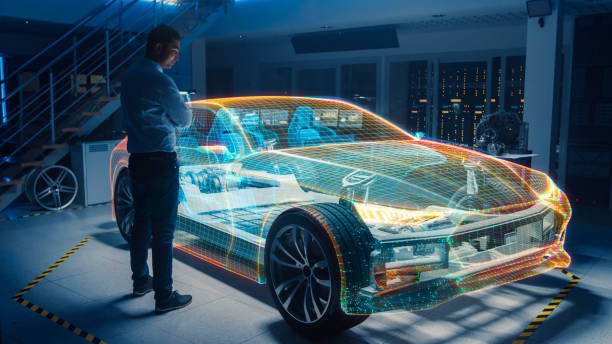
One of the most visually engaging advancements in automotive retail is the emergence of fully interactive virtual showrooms. Companies such as Fiat and Kia have embraced immersive, metaverse-powered platforms that allow shoppers to “walk” around cars, examine features in high definition, and speak with virtual assistants, all from their living rooms. This kind of experience does not just emulate the dealership floor; it enhances it, letting customers learn about model features and options without any sales pressure.
Online Purchasing Platforms
Online purchasing platforms are fundamentally shifting how people buy cars. Companies like Carvana now offer a fully online buying process, where customers can choose a vehicle, secure financing, and arrange for home delivery without setting foot inside a dealership. According to the Associated Press, Carvana’s approach has resulted in sales of approximately 2 million vehicles, cementing the popularity and practicality of digital-first transactions. These platforms remove common friction points from the process, such as price haggling and paperwork delays, aligning with consumer preference for fast, transparent purchases.
Personalized Financing Options
Digitization has enabled buyers and lenders to connect much more efficiently. Today, financial institutions and dealers rely on AI algorithms to assess an individual’s creditworthiness and needs, allowing them to offer tailored financing. This not only puts the customer in the driver’s seat but also allows a broader range of buyers to qualify for loans and better rates. Personalized options mean less time spent on paperwork and more time spent enjoying the new vehicle.
Enhanced Customer Service with Chatbots
AI-powered chatbots serve as virtual assistants, handling a majority of routine customer inquiries quickly and efficiently, regardless of the hour. These intelligent bots can answer questions about vehicle features, book test drives, or connect potential buyers to human experts when needed. A growing number of dealerships use this technology to ensure seamless 24/7 customer service, helping shoppers make informed decisions at their own pace. For a broader view of how chatbots are used across industries, Forbes provides insight into the growing application of artificial intelligence in customer service.
Data-Driven Decision Making
Dealerships and online platforms now rely heavily on analytics to better understand buyers. By tracking online browsing habits, purchase histories, and customer reviews, they can adjust marketing strategies, optimize stock inventory to match consumer preferences, and even determine optimal pricing structures. This results in a better selection for shoppers and fewer unsold vehicles for dealers.
Blockchain for Secure Transactions
Blockchain is gaining traction in the auto industry as a means to improve transparency and prevent fraud. The technology works by maintaining a tamper-proof, digital ledger that all transaction participants can access. Whether it is verifying a vehicle’s history or ensuring documents are legitimate, blockchain adoption offers buyers peace of mind and streamlines processes among banks, insurers, and dealerships. Reuters highlights how blockchain is revolutionizing not just banking but also transportation and the automotive sectors, cementing its role in future transactions.
Future Trends in Car Buying Technology
The future of car buying lies in the continued integration of AI, virtual reality, and even more enhanced data tools. We can expect to see the emergence of more competent AI-driven advisors that can answer more complex questions, expanded online financing options, and augmented reality tools that allow buyers to “test drive” cars virtually. As these technologies evolve, the line between online and offline automotive retail will become increasingly blurred, further benefiting both buyers and sellers.
As technology moves forward, the car-buying process will continue to become easier, safer, and more tailored to the individual. Those who adapt will thrive in a marketplace where customer experience and security are more critical than ever.
