



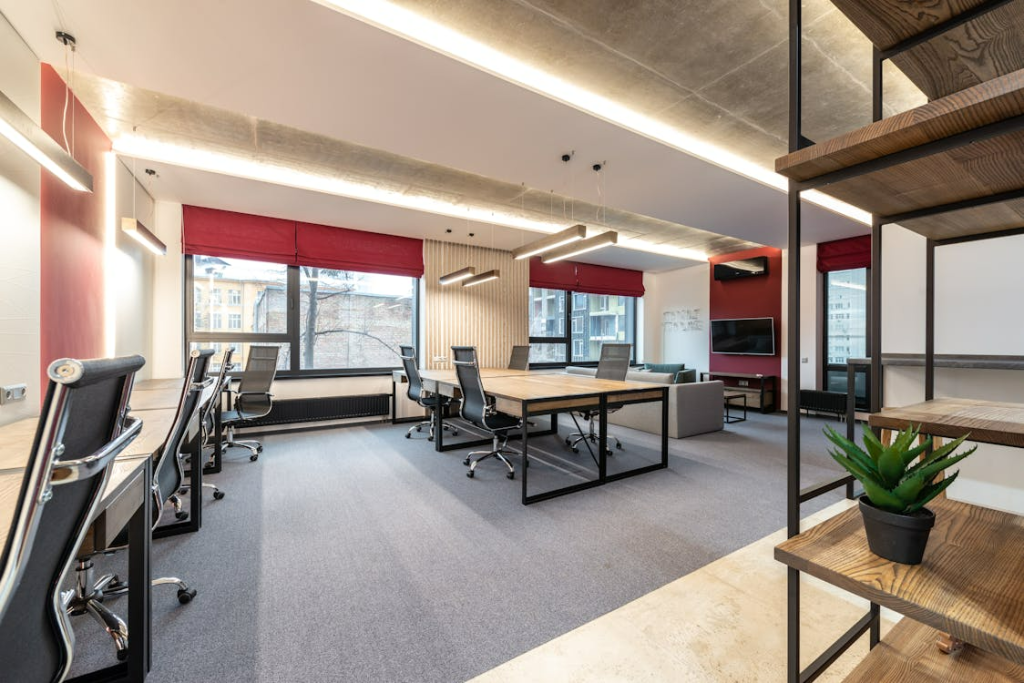
A new office fitout is exciting, but it’s easy to make missteps that affect comfort, productivity, and even team morale. Whether you’re refreshing an existing space or designing a brand-new office, avoiding common mistakes can save time and money.
With a well-planned office fitout, expect improvements in how people feel, how they work, and how they connect. If you want to make it right the first time, take note of these common mistakes:
1. Neglecting the Team’s Needs
Ask the best office fitout companies in Melbourne and they’ll tell you that one of the biggest fitout mistakes is not understanding how your team actually works. Offices often fall into the trap of following trends or aesthetics rather than purpose.
For example, you might have a visually striking open-plan area, but if your team needs quiet zones for focused work, productivity can suffer. Involving staff in planning workshops or surveys can reveal hidden needs that might otherwise be overlooked. Start by observing their day-to-day habits. Ask questions like:
- How much collaboration happens in person?
- Which tasks need deep focus?
- What technology or equipment is used most often?
2. Skimping on Ergonomics
Comfort matters, and it shouldn’t be underestimated. Poor ergonomics can lead to fatigue, tension, and even long-term health issues. Cheaper furniture might save money upfront, but they often cost more in lost productivity and discomfort. Lower-priced chairs and tables can break down earlier than expected, too, requiring frequent replacements. Instead, think about investing in:
- Height-adjustable desks to accommodate different work styles
- Ergonomic chairs that suit a range of body types
- Monitor arms, keyboard trays, and laptop stands to support posture
3. Forgetting Flexibility
With hybrid work becoming the norm, flexibility is essential. Offices that are too rigid can quickly feel outdated. If you’re thinking of fixed layouts, permanent seating plans, or meeting rooms designed for one purpose, it can frustrate staff and limit future options.
Flexible spaces allow the office to evolve as teams grow, change, or adjust to hybrid schedules. Here are examples:
- Desks that can be rearranged
- Multipurpose meeting rooms
- Open collaboration areas
4. Overlooking Acoustics
Noise is often underestimated when planning an office. Open-plan layouts can look modern and collaborative, but without careful acoustic design, they can be distracting or even stressful. Conversations, phone calls, and office equipment can create a constant hum that impacts focus.
Avoid placing quiet areas next to high-traffic zones. Use acoustic panels, rugs, and soft furnishings to absorb sound. Small design tweaks, like separating collaboration zones from concentrated workspaces, can make a significant difference. People need a balance, or spaces that encourage interaction without creating constant noise pollution.
5. Poor Lighting Choices
Lighting affects mood, energy, and overall comfort. Many offices make the mistake of relying solely on harsh artificial light or ignoring natural daylight. Poor lighting can strain eyes, reduce energy, and even affect sleep patterns for those who commute long distances.
A well-lit office balances natural light with warm, adjustable artificial sources. Task lighting for desks or collaborative areas ensures people have enough light for specific activities. Positioning workstations near windows not only improves illumination but also boosts morale and well-being. Lighting is subtle, but it shapes the overall experience of the space.
6. Skipping Storage Planning
Cluttered surfaces and chaotic communal areas can undo even the most stylish design. Storage is often overlooked, but it’s vital for hybrid teams that move between home and office regularly. Without sufficient storage, people end up piling items on desks, creating a messy and stressful environment. Practical storage solutions include:
- Lockers for personal items and hybrid workers
- Efficient shelving for supplies and documents
- Dedicated spaces for office equipment and shared resources
When storage is thoughtfully planned, it keeps spaces organised and functional, making the office feel calm and professional rather than chaotic.
7. Ignoring the Human Element
Remember that an office isn’t just a set of desks and finishes; it’s for people. Offices that prioritise style over function often fail to engage staff. Social areas, breakout zones, and spaces for casual interaction are critical to fostering collaboration and well-being. Consider features that enhance comfort and culture, such as:
- Breakout areas for coffee or informal discussion
- Plants and natural finishes that soften the environment
- Flexible seating that allows people to work in a way that suits them
Designing with humans in mind ensures the office is a place people enjoy being in. It supports engagement, connection, and a positive work culture, all of which contribute to long-term productivity.
A Thoughtful Adelaide Office Fitout Pays Off
Office fitouts can be complex, but avoiding these common mistakes makes the process far smoother. Focusing on comfort, flexibility, functionality, and the team’s needs creates a space that people actually want to use. A well-designed office is a tool that supports productivity, wellbeing, and collaboration day in and day out.
