



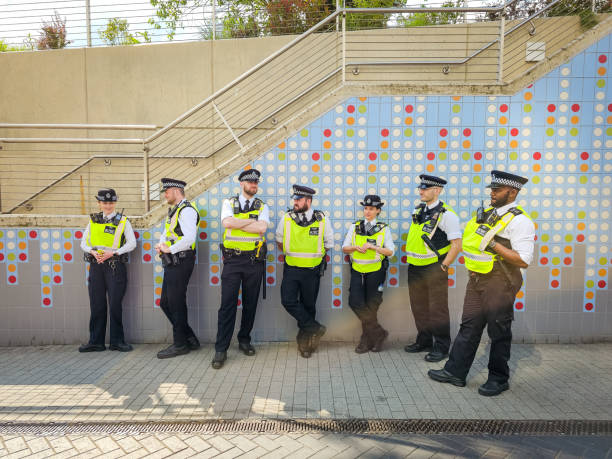
London is one of the world’s most vibrant cities — but like any major metropolitan area, it faces ongoing challenges around crime. From retail theft and anti-social behavior to burglary, vehicle crime, and organised criminal networks, effective London crime prevention requires a multi-layered, collaborative approach.
Whether you’re a business owner, a community leader, or a London resident, understanding the tools, initiatives, and partnerships available can help you stay one step ahead.
Why Crime Prevention Matters More Than Ever in London
With millions of residents, commuters, and visitors moving through London every day, even small spikes in crime can have major ripple effects:
- Higher operational costs for businesses
- Threats to staff and customer safety
- Increased pressure on police and community services
- Reduced public confidence in local areas
But crime prevention isn’t just about reacting — it’s about building safer environments, reducing opportunities for criminals, and empowering communities with the right resources.
Key Crime Prevention Strategies Working Across London
1. Stronger Police & Community Partnerships
Initiatives like Business Crime Reduction Partnerships (BCRPs) and local Safer Neighborhood Teams bring together police, councils, and businesses to share intelligence, report incidents quickly, and stay informed about local crime trends.
These partnerships help tackle issues such as:
- Retail theft
- Shoplifting gangs
- Street-level anti-social behavior
- Repeat offenders targeting businesses
2. Smarter Use of Crime Prevention Technology
London businesses and councils are increasingly adopting tech-driven solutions, including:
- High-definition CCTV with AI analytics
- Facial-recognition–ready systems (where compliant)
- Number plate recognition for vehicle crime
- Radio networks for instant alerts
- Data dashboards that identify crime patterns
This real-time intelligence boosts prevention, not just response.
3. Environmental Design That Reduces Crime (CPTED)
Crime Prevention Through Environmental Design (CPTED) focuses on designing safer public spaces by using:
- Good lighting
- Clear visibility
- Secure entry points
- Natural surveillance
- Open layouts that discourage hidden activity
These improvements make high-risk locations less attractive to offenders.
4. Initiatives Focused on Retail Crime Prevention
Many London boroughs now run dedicated programs addressing:
- Shoplifting
- Organised retail crime
- Abuse or violence toward retail workers
- Theft from delivery drivers
- Repeat offenders targeting multiple stores
These initiatives help reduce losses and create safer environments for staff and customers.
5. Community Engagement & Crime Education
Workshops, crime-prevention hubs, and neighbourhood sessions help educate residents on topics like:
- Fraud and cybercrime
- Personal safety
- Home security
- Reporting suspicious activity
- Local hotspot awareness
Informed communities are safer communities.
London’s Crime Hotspots: Why Awareness Matters
Crime in London isn’t evenly distributed — certain boroughs see higher levels of burglary, shoplifting, or vehicle crime. Being aware of local crime hotspots helps businesses and residents:
- Strengthen security where it matters most
- Allocate resources smarter
- Support targeted police operations
- Understand emerging patterns across the city
A Future-Focused Approach to Crime Prevention
London continues to invest in integrative, community-led and tech-driven solutions, such as:
- Shared crime data platforms
- City-wide alert systems
- Multi-agency intelligence networks
- More visible policing in priority areas
- Cross-borough collaboration to tackle mobile offenders
This proactive model ensures London stays resilient, adaptable, and prepared for evolving crime challenges.
Final Thoughts
Effective London crime prevention isn’t the responsibility of one group — it’s a collective effort between businesses, residents, councils, and law enforcement. With smarter technology, stronger partnerships, and better data sharing, London is taking meaningful steps to reduce crime and create safer communities for everyone.
