



Key Takeaways:
- Garage doors rely on tightly wound springs and cables, which can cause damaging accidents if not managed safely.
- Routine upkeep and prompt repairs reduce the likelihood of injuries and costly emergencies.
- Some parts and repairs should be managed solely by certified technicians for safety and compliance purposes.
Garage doors play a crucial role in residential and commercial security, serving as both a primary entry point and a robust protective barrier. Despite their indispensability, the process of repairing garage doors comes with significant safety concerns that are often underestimated. Whether you are a homeowner or a technician, awareness of these risks is vital to prevent injury and property damage. If you’re considering handling issues yourself, reaching out to a trusted garage door repair Austin provider ensures your safety and peace of mind.
Many garage door systems contain heavy components and high-tension mechanisms that can pose a danger if not handled properly. Even tasks that seem simple can turn hazardous without the correct approach, tools, or training. Ignoring these risks may result in costly repairs, severe injuries, or even worse consequences. Before tackling a repair, it’s essential to assess the level of expertise required and understand when it’s time to call in professionals.
Regular preventive maintenance and swift attention to emerging problems are fundamental for anyone wishing to avoid unexpected failures.
High-Tension Springs
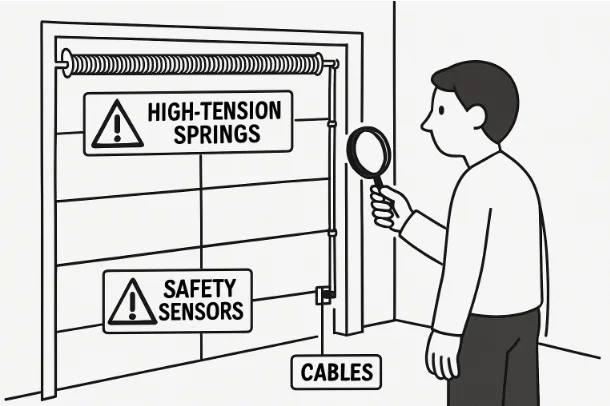
One of the greatest dangers in garage door repair comes from the high-tension springs—either torsion or extension—that power most systems. These springs are engineered to handle heavy loads, and any improper handling or adjustment may result in sudden, violent releases of energy. Injuries such as broken bones, cuts, or even fatalities are possible if springs snap or slip under modification. This is why the U.S. The Consumer Product Safety Commission strongly recommends leaving spring adjustment and replacement to qualified experts. For those seeking reliable local help, it’s a good practice to look for garage door service near me to obtain professional assistance tailored to their specific location.
Faulty Safety Sensors
Modern garage doors are required to be equipped with safety sensors that detect blockages and prevent accidental closures on people, pets, or property. When these sensors malfunction—due to misalignment, obstructions, or wiring issues—they may fail to recognize obstructions, putting household members at risk. Regular testing and cleaning of safety sensors ensures consistent functionality and can prevent avoidable accidents.
Worn or Broken Cables
The cables moving the garage door up and down are under intense strain each time the door is operated. Over time, these cables may fray, weaken, or snap, causing uncontrolled door movement. The weight of a garage door combined with a sudden cable failure can easily cause serious injury or major property damage. Inspect your cables periodically for signs of rust, fraying, or wear, and replace them immediately upon detection of any issues.
Misaligned Tracks
Garage door tracks enable smooth and balanced operation. Misalignment—caused by accidental impacts, weather conditions, or general wear—can lead to the door jolting off track or stalling. Not only can this cause mechanical strain, but a derailed door can fall, posing hazards to anyone nearby. Simple steps, such as tightening bolts and clearing tracks of debris, can help keep the door running safely.
Inadequate Maintenance
Neglecting scheduled inspections and maintenance of your garage door system increases the chances of malfunction. Parts such as rollers, hinges, springs, and openers all need routine attention. Skipping upkeep allows small issues to snowball into serious defects, risking sudden failures. Establishing a maintenance routine, including lubrication, balancing, and inspecting all moving parts, can extend system life and ensure safer operation.
Lack of Professional Training
Many homeowners are tempted to address garage door issues without adequate training, often relying on online tutorials or guesswork. However, certain repairs—especially those involving electricity, motor replacements, or spring adjustments—demand specific technical knowledge. Hiring a certified professional is not only safer but also often more cost-effective, as it reduces the risk of further damage or invalidated warranties.
Absence of Auto-Reverse Mechanism
Since 1992, all new garage doors have been required to be fitted with an auto-reverse mechanism as a safety measure. This system causes the door to reverse upon encountering an obstacle, significantly reducing the risk of entrapment. Older doors lacking this mechanism continue to pose a substantial hazard. Consider upgrading to a new opener with certified safety features if your system was installed before this standard was introduced.
DIY Repairs Without Proper Tools
Tackling repairs with makeshift or inadequate tools can easily result in improper fixes and increased risk of injury. Garage door repair often requires specialty parts and equipment, such as winding bars for spring adjustments, cable crimpers, or precise alignment tools. Always consult your manufacturer’s guidelines, and if you lack the equipment or experience, contacting a professional is the safer option.
Conclusion
Garage door repairs should never be underestimated, given the array of hidden hazards involved. From high-tension components to electronic safety systems, each part requires careful handling and regular maintenance to ensure optimal performance. Understanding common risks and knowing your limits allows for safer, more efficient repairs, whether you’re a DIY enthusiast or a property manager. When in doubt, professional help ensures reliable and safe solutions that keep homes and businesses secure in the long run.
