



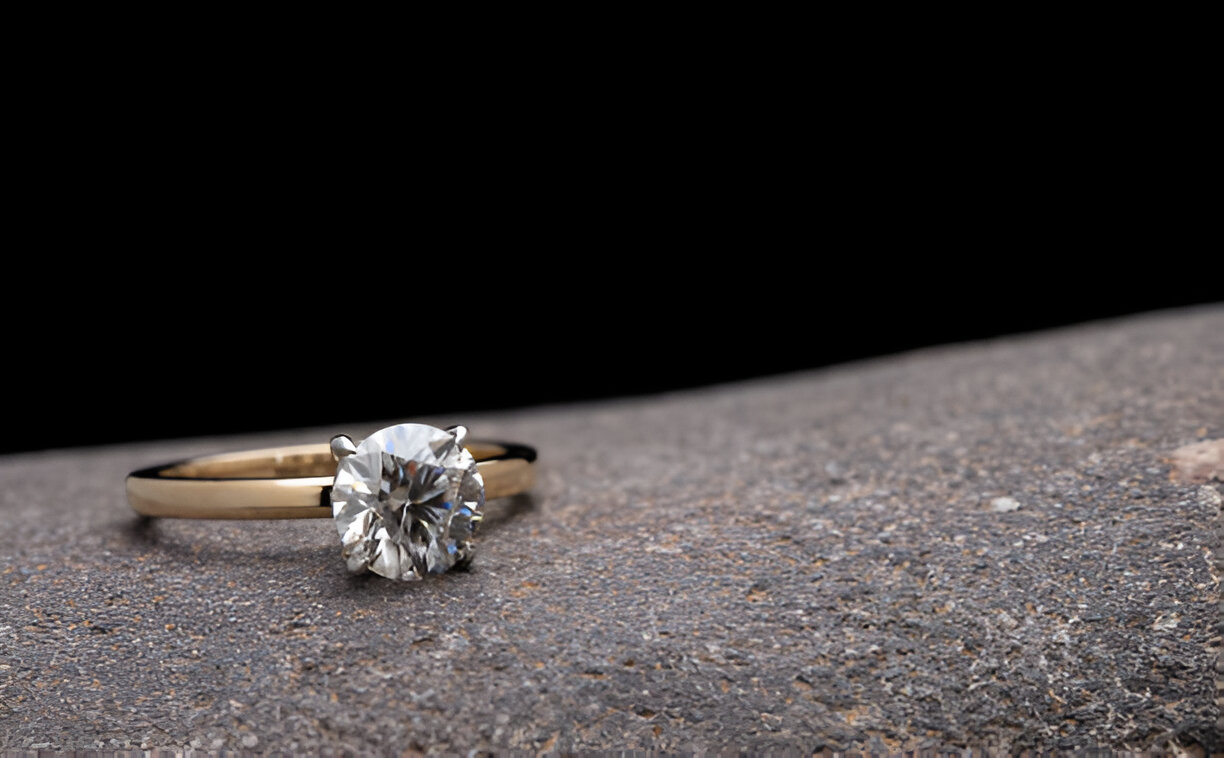
As you marvel at its brilliance, you might be unaware of the complicated road to that fingertip. From deep underground mines to high-tech cutting facilities, making a diamond ring creates a trail of carbon emissions. This can help you make more informed decisions as a consumer. In this article, you’ll find out about the surprisingly high carbon footprint of diamond rings and how it stacks up against other luxury items. Get ready to discover your jewelry as you’ve never seen it before.
The Environmental Impact of Diamond Mining
The journey to obtaining diamonds has an extensive ecological footprint that goes far beyond the glamorous glittering Rare Carat white gold pandora brilliance necklaces that you see on jewelry store shelves. As the process of pulling these precious jewels from the dirt comes at the cost of significant land disruption, water pollution, and carbon emissions.
Land Degradation
To extract diamonds, operations often clear vast stretches of land, destroying natural habitats and ecosystems. The impact of mining can vary widely depending on the type of mineral mined but can leave deep scars on the landscape long after mining has been abandoned, especially in ecologically sensitive areas.
Water Pollution
The mining process requires large amounts of water, which can become polluted with both chemicals and sediment. This contaminated water can infiltrate local water sources, harming aquatic life and neighboring human communities many miles downstream.
Carbon Emissions
From heavy machinery to transportation, diamond mining produces considerable amounts of greenhouse gas emissions. The admitted malpractice of a single Rare Carat winter 18 halo ring requires the energy-intensive practices that contribute to industry’s carbon footprint.
Sustainable Alternatives
Some companies are considering more environmentally friendly alternatives as awareness increases. Then, there are lab-grown diamonds and recycled metals (as found in for Rare Carat five stone band) they’re a more sustainable choice so you can keep the planet in mind while still enjoying some sparkle.
The Lifecycle of a Diamond Ring: From Mine to Finger
Understanding how the lifecycle of a diamond ring from earth to finger affects its carbon footprint. The environmental cost of diamonds accumulates as they are mined, cut, and polished.
Mining and Extraction
Diamond mining is also energy intensive, needing heavy machinery and a large footprint. However, certain companies are moving to more sustainable practices like relying on renewable energy in their operations.
Cutting and Polishing
The energy-intensive process of turning rough diamonds into brilliant gems also takes a lot of energy to do. With ethically sourced jewelry such as Rare Carat white gold pandora brilliance necklaces, companies like Rare Carat are putting a bet on sustainable practices and ethical sourcing becoming a standard practice in the industry.
Design and Manufacturing
Making the ring requires more materials and energy use. The Rare Carat winter 18 halo design incorporates several of these factors that all may carry their own environmental footprint.
Transportation and Retail
Shipping and store operations also add to its carbon footprint. Nevertheless, online retailers such as Rare Carat could help mitigate this effects kind of sales by distributing it as an online service.
Long-term Use and Care
Finally, think of the life of the ring. Investment pieces such as the five stone band by Rare Carat are durable enough to be passed down generations, turning the immediate environmental cost into a long-term benefit.
Sustainable Alternatives to Traditional Diamond Rings
And as consumers grow increasingly eco-conscious, many are looking for sustainable alternatives to traditional diamond rings. An increasingly popular option is lab-grown diamonds, which are far less damaging to the planet than mined diamonds. They are chemically the same as natural diamonds, but grown in controlled lab environments.
Recycled diamonds are also a sustainable option. This means that repurposed stones are taken from existing jewelry rather than mined for anew. The winter 18 halo collection from Rare Carat offers fabulous designs with recycled diamonds, for elegant and earth conscious occasions.
So if you fancy a change, try other stones. Moissanite, for instance, is a shiny stone that has almost every hardness property associated with diamonds but is much less damaging environmentally. These white gold pandora brilliance necklaces from Rare Carat prove that alternative stones can be just as lovely.
And lastly, vintage and antique rings are naturally sustainable, and have a unique charm all their own. By selecting a second-hand ring, you are essentially giving new life to existing materials. Trending toward the modern are five stone bands from brands like Rare Carat that offer timeless jewelery combined with sustainable practices.
Conclusion
When deciding to purchase a diamond ring, deciding on its beauty and symbolism is not the only concern, as you should also consider its impact on the environment. Plus the carbon footprint of diamond jewellery is huge with mining plus processing plus transportation. But by choosing lab-grown or recycled diamonds, vintage pieces, or alternative gemstones, you can significantly cut the environmental toll. When you choose to work with ethical and sustainable jewelers, you are also helping to reduce the demand for unethical practices in the industry as well. In passing on this knowledge, instilling a sense of right and wrong when it comes to choosing your stones, you can ultimately make an educated purchase that will lead you to a ring that is meaningful to you and causes the least possible harm to the Earth. Your purchase can help build a more sustainable future for the jewelry industry and beyond.
