



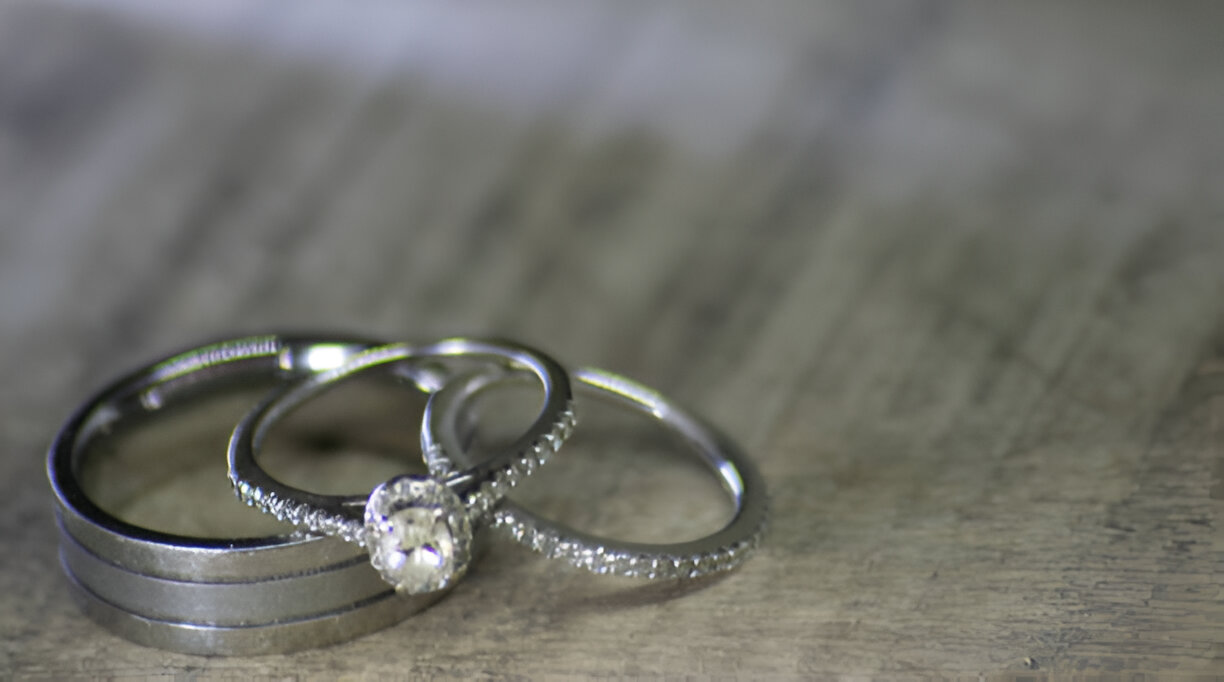
Choosing the right metal for an engagement ring or wedding band is a significant decision since these pieces are meant to be worn daily for a lifetime. What are the best metals for durable engagement rings and bands?
Platinum and tungsten are the most durable metals for rings, with platinum scoring 4-4.5 on the Mohs hardness scale and tungsten rating 7.5-8, making them highly resistant to scratches and daily wear.
While platinum and tungsten top the durability charts, several other excellent metal options might better suit your specific lifestyle, budget, or style preferences—and some may actually be a smarter choice, depending on your particular situation.
How Do Different Ring Metals Compare For Daily Wear?
While platinum and tungsten are the most durable options, each metal has unique characteristics. White gold, though slightly less durable with a Mohs hardness of 2.5-3, remains popular due to its classic appearance and more accessible price point. Yellow gold offers similar durability to white gold but doesn’t require rhodium plating to maintain its color. Palladium provides excellent durability similar to platinum but at a lower cost, though it’s becoming increasingly rare.
Stainless steel and titanium are excellent alternatives for those seeking durability on a budget. Titanium rates 6 on the Mohs scale and is incredibly lightweight, making it comfortable for daily wear. Stainless steel, rating 5.5-6.3, offers remarkable scratch resistance and is particularly suitable for active lifestyles.
What Are The Price Points For Different Ring Metals?
Platinum is one of the most expensive options, typically costing $1,000 to $3,000 per ring. White and yellow gold vary significantly based on karat weight, with 14K rings generally costing $300-$800. Titanium and stainless steel are the most budget-friendly options, usually costing between $100 and $300 per ring. Tungsten falls in the middle range at $200-$500, offering excellent durability for the price.
These price ranges can fluctuate based on market conditions, design complexity, and brand name, but they provide a general framework for budget planning.
What Maintenance Is Required For Different Ring Metals?
Each metal type requires different levels of care to maintain its appearance. Platinum develops a natural patina over time that many consider desirable, but it can be professionally polished if preferred. White gold typically needs rhodium plating every 1-2 years to maintain its bright white color, adding to long-term maintenance costs.
Yellow gold and rose gold require regular cleaning but no special treatments. Tungsten and titanium are virtually maintenance-free, though tungsten cannot be resized, which is an important consideration for long-term wear. Stainless steel needs only basic cleaning to maintain its appearance, making it one of the lowest-maintenance options.
What Should Active People Consider When Choosing Ring Metals?
For those who work with their hands, play sports, or lead particularly active lifestyles, certain metals stand out as better choices. Titanium and tungsten are ideal because they resist scratching and denting, even under rough conditions. However, tungsten’s hardness makes it brittle – it can crack if struck at just the right angle, though this is rare.
Platinum, while expensive, is an excellent choice for active individuals because it doesn’t thin out over time like softer metals. It may scratch, but the metal merely displaces rather than wears away, maintaining its structural integrity. Stainless steel is another practical option for active people, offering good durability at a price point that makes replacement, if necessary, less painful.
What Are The Pros And Cons Of Alternative Metals Like Cobalt And Tantalum?
Metals like cobalt and tantalum are newer to the jewelry market and are gaining popularity as alternative options. Cobalt chrome offers exceptional scratch resistance and a natural white color similar to platinum, rating 8-8.5 on the Mohs scale. It’s also hypoallergenic and maintains its shine well, though it can be difficult to resize and isn’t as widely available as traditional metals.
Tantalum is particularly interesting because it’s one of the few alternative metals that can be resized. It has a unique gunmetal gray color that develops a subtle patina over time, and it’s extremely resistant to corrosion. Rating 6.5 on the Mohs scale, it’s harder than gold but softer than tungsten, striking a nice balance between durability and workability. However, both these alternative metals can be challenging to find, and not all jewelers can work with them.
Making Your Final Decision
Before making your final metal selection, schedule a visit to a local jeweler to try on rings in different metals. Pay special attention to how each one feels on your finger in terms of weight and comfort. While durability and price are important factors, the tactile experience of wearing different metals can often decide when choosing the perfect ring for your lifelong commitment.
