



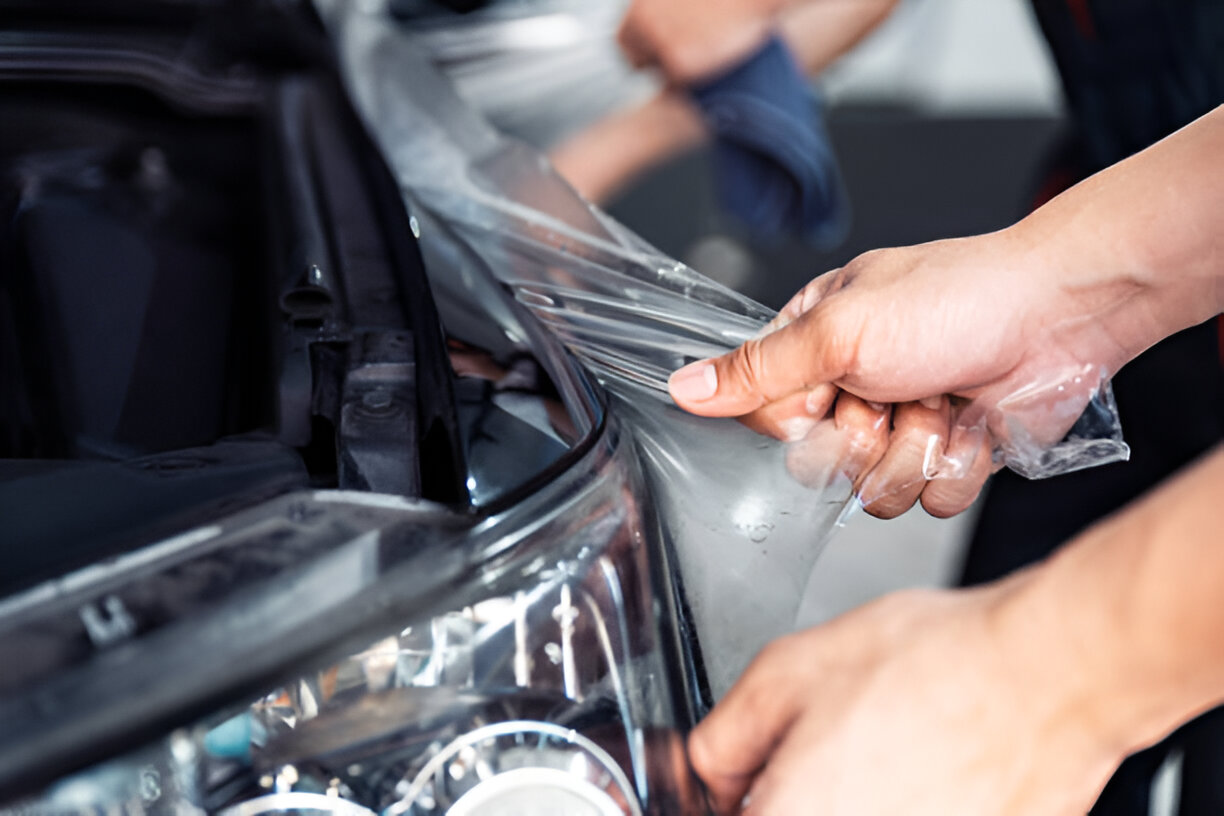
Self-healing protection films have revolutionized the way we protect our belongings, combining cutting-edge technology with practicality. From safeguarding your car’s paintwork to protecting everyday gadgets, these films serve a wide range of applications.
What Are Self-Healing Protection Films?
Self-healing protection films are thin, transparent layers made from advanced materials designed to shield surfaces from minor damage like scratches and scuffs. Beyond their physical durability, they feature a unique characteristic—small scratches and abrasions on the film “heal” over time, restoring the surface to its original appearance. Their primary purpose is to add an invisible layer of protection to surfaces prone to everyday wear and tear.
These films, including car paint protection film, are increasingly popular in industries like automotive, electronics, and home interiors, offering both functional and aesthetic benefits.
How Do Self-Healing Films Work?
The magic of self-healing lies in the chemical composition of the film. A typical self-healing film is made with elastomeric polymers. These polymers have elastic properties that allow them to endure superficial damage without breaking their structure.
When a scratch occurs, the film’s polymers reconfigure “closing” the scratch. External elements like heat (from the sun or a heat gun) or friction can accelerate this process, making scratches disappear. It’s a fascinating example of how innovative materials science can transform surface protection.
Common Applications of Self-Healing Films
Self-healing protection films can be applied on a variety of surfaces and objects. Here are some of the common uses:
- Automotive Surfaces: Popular for paint protection on cars on vulnerable areas like bumpers, hoods, and side mirrors.
- Smartphones & Gadgets: Used as screen protectors or cases to prevent scratches on phones, tablets, and laptops.
- Home Interiors: Ideal for high-touch areas like kitchen countertops, furniture, and touchscreen appliances.
- Outdoor Equipment: Applied to bicycles, helmets, and sports gear to combat surface abrasions.
Advantages of Self-Healing Protection Films
Why choose self-healing films over conventional protective coatings? Here are some of the standout benefits:
- Scratch Resistance: Protects surfaces from everyday damage like keys rubbing against a painted car door or wear on a smartphone screen.
- UV Protection: Many films are designed to block UV rays, preventing yellowing and fading of the surface underneath.
- Durability: Built to withstand not just scratches but also environmental factors like dirt, water, and minor impacts.
- Aesthetic Preservation: The thin, transparent design ensures that the appearance of the surface—be it a glossy car or a sleek gadget—is unaffected.
How to Install Self-Healing Films
If you’re ready to try a self-healing film, here’s a step-by-step guide for a straightforward DIY installation process:
- Clean the Surface: Use a microfiber cloth and a cleaning solution to remove dust, dirt, and grease.
- Measure and Cut the Film: Ensure the dimensions of the film match the surface perfectly. Some films come pre-cut for specific applications like cars or phone screens.
- Prepare the Adhesive Side: Peel back a small portion of the film to expose the adhesive layer.
- Apply Gradually: Use a squeegee or soft card to remove air bubbles as you slowly adhere the film to the surface.
- Trim Excess Film (if needed): Carefully cut away any overlapping film for a neat finish.
- Cure with Heat (if applicable): Use a heat gun or sunlight to help the film bond securely and activate its self-healing properties.
For larger projects, such as applying film to a car or large furniture, professional installation might be worth considering.
Maintenance and Care Tips
Caring for surfaces with self-healing films ensures their effectiveness and longevity. Here are a few pro tips:
- Clean Regularly: Wipe down the film with a soft, damp cloth and a mild cleaning solution. Avoid abrasive cleaners.
- Avoid Excessive Heat: While heat helps with self-healing, prolonged exposure to extreme temperatures might degrade the material.
- Inspect for Damage: Although self-healing properties are effective for minor scratches, reevaluate the film if it suffers deep cuts or significant wear.
Following these precautions will help keep the film—and the surface it protects—in top condition for years.
Conclusion
Self-healing protection films represent the perfect blend of advanced technology and practical applications. By investing in high-quality protection now, you save yourself the hassle—and cost—of repairing or replacing damaged items in the future.
