



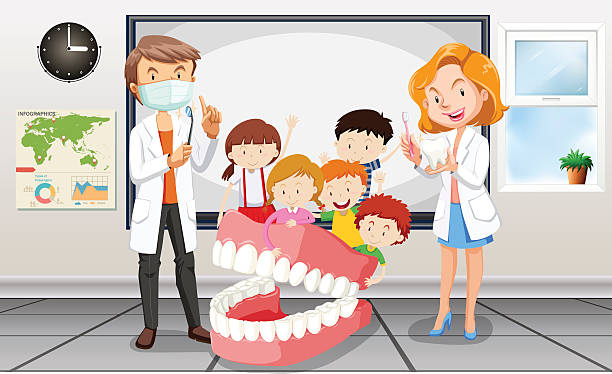
Many people avoid the dentist because of fear, shame, or old stories that are simply not true. You might think family dentistry hurts, costs too much, or is only for serious problems. These myths keep you and your children from getting care that protects your teeth and your health. Regular visits catch small issues early. Then treatment stays simple and less stressful. A trusted dentist in Perrysburg oh can work with your whole family so you feel safe and heard. This blog breaks down three common myths about family dentistry and gives you clear facts. You will see what really happens in the chair. You will also learn what you can ask for, and how to plan your visits. Truth cuts through fear. Once you know what to expect, it becomes easier to schedule that next appointment and protect every smile in your home.
Myth 1: “Dental visits always hurt”
Pain is the main fear for many people. You might picture sharp tools, loud sounds, and long shots. That picture is old. Modern family dentistry focuses on comfort for every age.
Here is what you can expect today.
- Topical numbing gel before a shot
- Thin needles and slow injection to cut sting
- Quiet tools when possible
- Breaks when you raise your hand
Modern care uses numbing, gentle touch, and clear talk. You stay in control. You can ask for a “tell, show, do” approach for children and adults. First the dentist explains. Then the dentist shows the tool. Then the dentist starts the work.
Trust grows when you speak up. You can say where you feel scared. You can ask to stop. You can ask what will happen next. A good family dentist respects that request every time.
Here is a simple comparison of what many people fear and what really happens in most family offices.
| What you might fear | What usually happens today |
|---|---|
| Constant sharp pain during treatment | Numbing for the tooth and gum before work starts |
| No control once you sit in the chair | Clear signals to pause and adjust if you feel pressure |
| Rough handling and rushed visits | Step by step care with time for questions |
| Children crying through every visit | Short visits, simple words, and calm support for kids |
Early care means less pain. When you wait, problems grow. Then you need deeper work. Regular cleanings and exams help you stay with small fixes.
Myth 2: “Family dentistry is too expensive”
Cost can feel heavy. You might put off visits to save money. That choice often brings larger bills later. Small cavities turn into root canals or extractions when they sit for years.
The truth is simple. Prevention costs less than repair. The Centers for Disease Control and Prevention explains that fluoride, sealants, and routine care cut decay and long-term costs.
Family dentists often help you plan for costs in three ways.
- Insurance billing and help reading benefits
- Payment plans for larger treatments
- Low cost options for basic care
Here is a general look at cost patterns. Exact numbers change by office and location. The pattern stays the same. Early care is less costly than late care.
| Type of visit | How often | Typical cost range | What it can prevent |
|---|---|---|---|
| Checkup and cleaning | Every 6 months | Low to moderate | Cavities, gum disease, dental emergencies |
| Small filling | As needed | Moderate | Root canal, crown, tooth loss |
| Root canal and crown | As needed | High | Extraction and tooth replacement |
| Tooth replacement | As needed | High to very high | Bite problems and bone loss |
First, you pay a little for cleanings and early fillings. Second, you avoid sudden pain and missed work or school. Third, you protect your long-term budget.
You can also look for community health centers, school dental programs, or state support. The National Institute of Dental and Craniofacial Research lists resources and facts that help you plan smart care for your family.
Myth 3: “Kids do not need the dentist until something hurts”
Many parents wait for the first cavity or pain before they call a dentist. That wait harms children. Baby teeth matter. They hold space for adult teeth. They help with speech and eating. When baby teeth hurt, children struggle to sleep, learn, and grow.
Experts suggest that children see a dentist by their first birthday or within six months after the first tooth comes in. Early visits teach your child that the dental office is a safe place.
During early visits, the dentist will usually:
- Check teeth, gums, and jaw growth
- Clean away soft buildup
- Show you how to brush and floss your child’s teeth
- Talk about snacks, drinks, and thumb sucking
Children who start young often feel calm in the chair. They see visits as routine, like haircuts. That habit follows them into adulthood. Your child then grows up less likely to fear care or skip checkups.
You can prepare your child with three simple steps.
- Use plain words such as “The dentist will count your teeth”
- Read a short book about visiting the dentist
- Plan a small reward after the visit, like a trip to the park
Taking the next step for your family
Myths about pain, cost, and timing keep many families stuck. You now know that modern family dentistry aims for comfort. You know that routine care saves money and time. You also know that children need early visits, even when nothing hurts.
Your next step is simple. First, pick a family dentist who listens. Second, schedule checkups for every person in your home. Third, keep those appointments, even when life feels busy. Each visit is an act of protection for your body and your peace of mind.
