



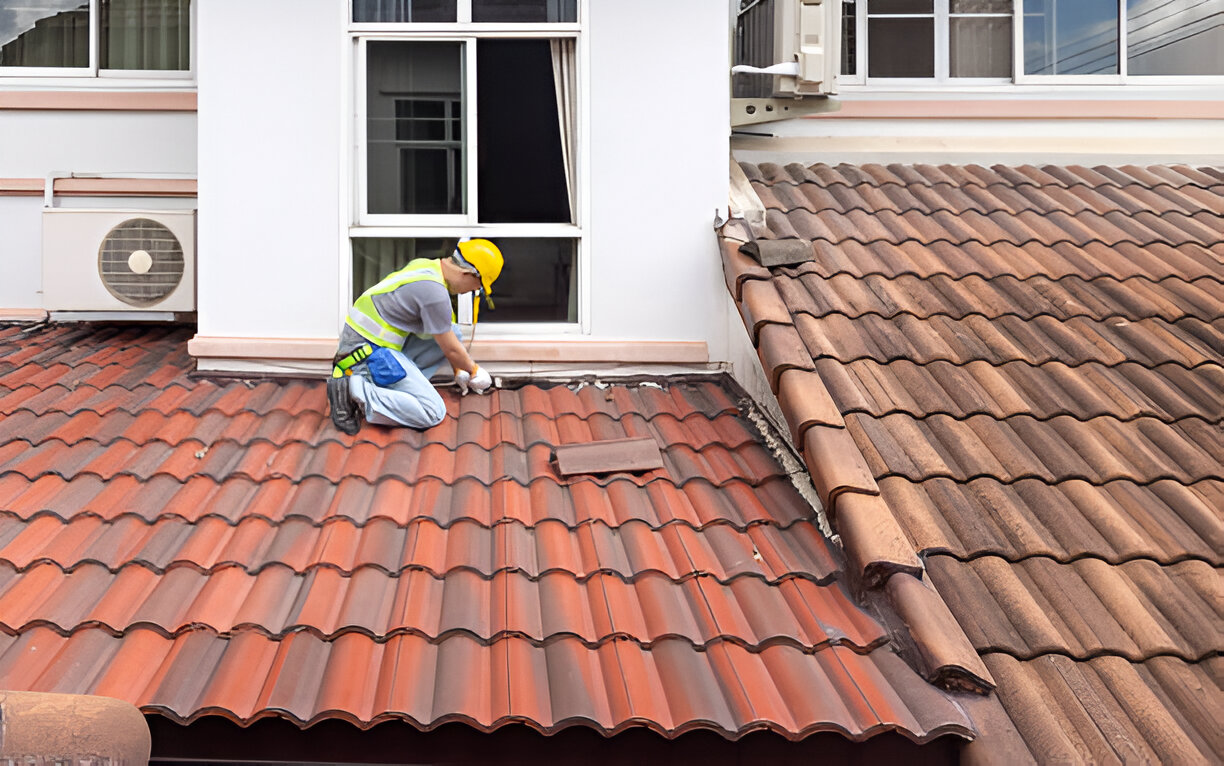
Your roof protects your home but requires regular maintenance to avoid costly repairs or early replacement. Neglect can lead to issues like leaks or missing shingles, but catching problems early can save money and extend your roof’s lifespan. This guide highlights common roofing problems, DIY fixes, and signs when professional help is needed.
Identifying Common Roofing Problems
Roof Leaks and Water Damage
Water stains on your ceiling are often the first sign of a roof leak, but the actual source might be far from where you see the damage. Water can travel along rafters and beams before finding its way into your living space.
Check your attic regularly for signs of moisture, including dark spots on wood, musty odors, or visible mold growth. During heavy rain, use a flashlight to trace water’s path back to its entry point. Common leak sources include damaged flashing around chimneys, cracked caulking around roof penetrations, and worn areas where different roofing materials meet.
Damaged or Missing Shingles
High winds, hail, and age can cause shingles to crack, curl, or blow off entirely. Missing shingles expose your roof deck to weather, leading to faster deterioration of surrounding materials.
Walk around your property after storms to look for shingles on the ground. From ground level, scan your roofline for obvious gaps, curled edges, or shingles that appear darker than others (indicating granule loss). Asphalt shingles typically show their age by losing protective granules, while wood shakes may split or warp.
Gutter Problems
Clogged or damaged gutters cause water to back up under your roofline, potentially damaging fascia boards and roof edges. Gutters pulling away from your home indicate either improper installation or water weight from poor drainage.
Signs of gutter problems include water stains on exterior walls, basement flooding after rain, or visible sagging sections. Ice dams form when gutters can’t drain properly, creating additional weight and potential damage to your roof structure.
Flashing Issues
Flashing—the metal strips that seal joints around chimneys, vents, and roof valleys—prevents water from entering vulnerable areas. Over time, flashing can rust, crack, or pull loose from expansion and contraction cycles.
Examine flashing around all roof penetrations for rust spots, gaps, or sections that appear bent or damaged. Pay special attention to step flashing along walls and continuous flashing in roof valleys, as these areas handle significant water volume.
Ventilation Problems
Poor roof ventilation traps hot air in summer and moisture in winter, leading to ice dams, mold growth, and premature shingle aging. Many homes lack adequate intake vents under the eaves or exhaust vents near the roof peak.
Signs of ventilation issues include ice dams in winter, excessive heat in your attic during summer, or condensation problems throughout your home. Custom roof tiles and other specialty materials may require specific ventilation considerations to maintain their warranty coverage.
DIY Solutions for Minor Issues
Fixing Small Leaks
For minor leaks, start by cleaning the area around the damage and allowing it to dry completely. Apply roofing cement or sealant to small cracks in shingles or around flashing. For slightly larger areas, use a patch made from the same roofing material, securing it with roofing cement and covering the edges.
Always work on dry days with temperatures above 45°F for best sealant adhesion. Keep extra roofing cement on hand for quick fixes, but remember that these are temporary solutions for minor damage.
Replacing Individual Shingles
Replacing a few damaged shingles requires basic tools: a pry bar, hammer, roofing nails, and replacement shingles that match your existing roof. Carefully lift the shingles above the damaged area and remove nails holding the damaged shingle.
Slide the new shingle into position, ensuring it aligns with surrounding shingles. Secure with roofing nails placed in the nail strip, then press down overlapping shingles to cover the nail heads. This repair works best on relatively new roofs where replacement shingles blend well with existing materials.
Cleaning and Maintaining Gutters
Clean gutters at least twice yearly, removing leaves, twigs, and debris that block water flow. Use a sturdy ladder and work gloves, starting at downspouts and working toward high points.
Check for loose brackets or sagging sections while cleaning. Tighten loose hardware and consider adding additional brackets if gutters show signs of pulling away from your home. Ensure downspouts direct water at least six feet from your foundation.
Minor Flashing Repairs
Small gaps in flashing can be sealed with roofing cement or specialized flashing sealant. Clean the area thoroughly before applying any sealant, and smooth it to prevent water from pooling.
For loose flashing, carefully lift the edge and apply roofing cement underneath before pressing it back into place. Avoid walking directly on flashing, as it can bend or crack under weight.
When to Call a Professional
Structural Issues
Any signs of sagging rooflines, damaged roof decking, or compromised structural elements require immediate professional attention. These problems indicate potential safety hazards that DIY repairs cannot address adequately.
Professional roofers have the expertise to assess structural integrity and recommend appropriate solutions, whether that involves reinforcing existing structures or complete replacement.
Extensive Damage
When damage covers more than 25% of your roof or affects multiple roofing components simultaneously, professional repair or replacement becomes more cost-effective than piecemeal DIY fixes.
Storm damage, in particular, often affects areas that aren’t immediately visible from ground level. Professional inspections can identify hidden damage that might not surface for months or years.
Safety Concerns
Steep roofs, heights above one story, or wet conditions make DIY repairs dangerous for most homeowners. Professional roofers have proper safety equipment, insurance coverage, and experience working in challenging conditions.
If you feel uncomfortable or uncertain about any roofing repair, calling a professional is always the safer choice.
Complex Installations
Installing new flashing, repairing chimney connections, or working with specialty roofing materials requires specific skills and tools. Professional installation ensures proper techniques and maintains material warranties.
Preventative Measures
Regular Inspections
Inspect your roof twice yearly, ideally in spring and fall, when weather conditions are mild. Use binoculars to examine your roof from ground level, looking for obvious damage or wear patterns.
Schedule professional inspections every three to five years, or after severe weather events. Professional roofers can identify potential problems before they become costly repairs.
Maintenance Schedule
Develop a regular maintenance routine that includes gutter cleaning, debris removal, and minor repairs. Keep a maintenance log to track completed tasks and identify patterns that might indicate developing problems.
Trim tree branches that hang over your roof to prevent damage from falling limbs and reduce debris accumulation in gutters.
Seasonal Preparations
Prepare your roof for seasonal weather changes by clearing gutters before winter, checking flashing before spring rains, and ensuring adequate ventilation before summer heat.
Remove snow buildup that exceeds six inches to prevent ice dams and structural stress. Use a roof rake from ground level rather than climbing onto snowy or icy surfaces.
Conclusion
Proper roof maintenance protects your home’s value and ensures safety. Regular inspections, prompt repairs, and knowing when to call professionals can prevent costly emergencies. Create a maintenance schedule, assess your roof’s condition, and connect with trusted roofing experts to extend its lifespan and enjoy year-round peace of mind.
