



Table of Contents
- Understanding the Need for Inpatient Care
- Components of Inpatient Treatment Programs
- Evidence-Based Therapies in Inpatient Settings
- Innovative Digital Interventions
- The Role of Family and Community Support
- Conclusion
Understanding the Need for Inpatient Care
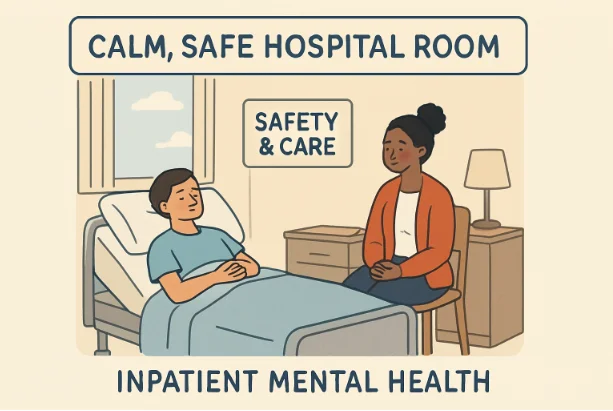
Intense periods of suicidal thoughts or behaviors that endanger oneself or others call for immediate, professional intervention. Inpatient mental health treatment is often the most effective solution, offering a highly structured environment where safety and rapid stabilization take priority. This intensive level of care is especially vital for those who need round-the-clock support that cannot be safely or adequately provided at home or in less intensive settings.
A dedicated Inpatient Mental Health Facility in Pompano Beach can provide the support and supervision needed for individuals facing acute crises, ensuring each individual receives personalized attention tailored to the severity of their condition. Inpatient treatment is not only about managing immediate risk but also about laying a solid foundation for long-term recovery.
Components of Inpatient Treatment Programs
Effective inpatient programs use a range of therapeutic and support strategies, starting with a comprehensive assessment to understand the individual’s mental health history, risk factors, and immediate needs. Individualized treatment plans are developed, often involving medical management, evidence-based psychotherapy, and specialized interventions tailored to address suicidal ideation and self-harming behaviors. Constant 24/7 clinical monitoring in these settings helps maintain safety, while a multidisciplinary team —including psychiatrists, psychologists, nurses, and social workers —provides a holistic approach to care. This combination of ongoing assessment, tailored intervention, and intensive monitoring distinguishes inpatient treatment from other levels of care.
Evidence-Based Therapies in Inpatient Settings
Inpatient mental health facilities rely on proven, evidence-based therapies as core parts of their treatment protocols. Cognitive-behavioral therapy (CBT) has consistently demonstrated effectiveness, reducing suicidal behaviors by about 20% compared to standard treatments.
Therapeutic modalities may also include dialectical behavior therapy (DBT), which targets emotional regulation and distress tolerance, and other structured approaches aimed at minimizing self-harm and improving resilience in crises. The commitment to using therapies supported by extensive research is vital in reducing relapses and fostering meaningful recovery.
Innovative Digital Interventions
The integration of digital therapeutic tools marks a new frontier in inpatient mental health treatment. Smartphone applications designed to deliver suicide-focused CBT have shown efficacy in decreasing the rate of suicide attempts in the period following discharge, a time when patients are especially vulnerable. Digital interventions can augment in-person care, provide ongoing support, and bridge gaps during transitions between levels of care.
A notable clinical trial revealed that digital CBT tools led to a measurable decrease in post-discharge suicide attempts. This approach not only improves access to continued therapeutic support but also empowers patients to use coping strategies outside the clinical setting.
The Role of Family and Community Support
Active participation by family and close friends can play a transformative role in the recovery process. Education and support for loved ones—ranging from involvement in treatment planning to attending support groups—help create a nurturing environment that reinforces positive treatment outcomes. Building a network of community supports, such as peer groups or crisis helplines, further helps individuals navigate the challenges of life post-discharge, fostering long-term well-being and reducing the risk of readmission.
Conclusion
Inpatient mental health treatment stands as a frontline defense for those grappling with severe suicidal thoughts and dangerous behaviors. Integrating comprehensive assessment, multidisciplinary care, effective evidence-based interventions, digital innovations, and seamless post-discharge plans, these facilities provide hope and life-saving support to individuals in crisis. Ongoing investment, policy improvements, and greater awareness are essential to ensure accessible, high-quality care for all those in need.
