



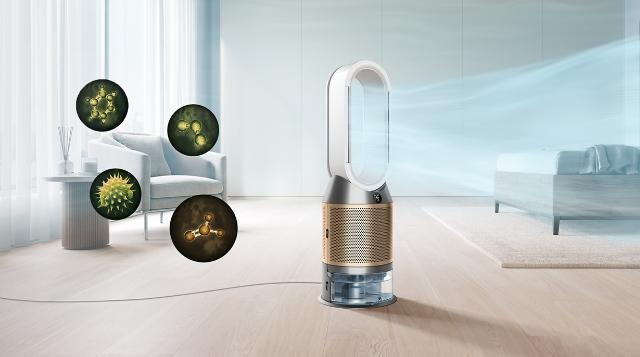
Indoor air quality has become a major concern for modern households and businesses alike. From dust and allergens to dry air and pollutants, the environment inside our homes can directly impact our health and comfort. This is where devices like an air purifier and a humidifier play a vital role. While both serve different purposes, combining them can significantly improve your indoor living conditions and overall well-being.
Understanding the Role of an Air Purifier
An air purifier is designed to clean the air by removing harmful particles such as dust, pollen, pet dander, smoke, and even bacteria. It works by drawing in air, passing it through advanced filtration systems, and releasing cleaner air back into the room. Many modern purifiers use HEPA filters and activated carbon layers to capture even microscopic pollutants.
One of the biggest benefits of using an air purifier is improved respiratory health. People who suffer from allergies or asthma often experience relief when airborne irritants are reduced. Additionally, air purifiers help eliminate unpleasant odors and create a fresher indoor environment.
Advanced systems, such as those offered by Dyson, go a step further by integrating smart sensors. These sensors automatically detect air quality levels and adjust the purification process in real time, ensuring optimal performance without manual effort.
The Importance of a Humidifier
While air purifiers clean the air, a humidifier focuses on adding moisture to it. Dry indoor air can lead to several issues, including dry skin, irritated eyes, sore throat, and worsened allergy symptoms. A humidifier helps maintain balanced humidity levels, making the air more comfortable to breathe.
This is especially important during winter or in air-conditioned environments where humidity levels tend to drop. By restoring moisture, humidifiers can also protect wooden furniture, improve sleep quality, and reduce the spread of airborne irritants caused by dryness.
Modern humidifiers, like those integrated into advanced air treatment systems, often include hygienic features such as UV technology to kill bacteria in water before it is released into the air. This ensures that the moisture added is clean and safe.
Air Purifier vs Humidifier: Key Differences
Although both devices improve indoor air quality, they serve entirely different functions. An air purifier removes pollutants from the air, while a humidifier adds moisture.
An air purifier is ideal if your primary concern is allergens, smoke, or airborne particles. On the other hand, a humidifier is more suitable for combating dryness and maintaining comfortable humidity levels.
It’s important to understand that an air purifier cannot replace a humidifier, and vice versa. Each device addresses a unique aspect of air quality, making them complementary rather than interchangeable.
Why Using Both Together Is the Best Solution
For optimal indoor comfort, using both an air purifier and a humidifier together is highly effective. When combined, they create a balanced environment where the air is both clean and properly moisturized.
For example, an air purifier can remove dust and allergens, while a humidifier prevents dryness that can irritate the respiratory system. This combination is particularly beneficial for people with allergies, asthma, or sensitive skin.
Many modern solutions now combine both functions into a single unit. Products like Dyson’s purifier-humidifier systems are designed to clean and humidify the air simultaneously, offering convenience and efficiency in one device.
Features to Look for in Modern Air Treatment Devices
When choosing an air purifier or humidifier, it’s important to consider features that enhance performance and usability. High-quality air purifiers typically include HEPA filtration, carbon filters for odor removal, and smart sensors for real-time monitoring.
Similarly, a good humidifier should offer consistent moisture output, easy maintenance, and hygienic water management. Advanced models may include app connectivity, allowing users to monitor air quality and control settings remotely.
Another important factor is noise level. Quiet operation is essential, especially for bedrooms and offices, ensuring that the device improves comfort without causing disturbance.
Long-Term Benefits for Homes and Businesses
Investing in both an air purifier and a humidifier provides long-term benefits beyond immediate comfort. Cleaner and properly humidified air can lead to fewer health issues, improved productivity, and a better overall living environment.
For businesses, especially offices and co-working spaces, maintaining good air quality can enhance employee well-being and performance. For families, it creates a healthier home, particularly for children and elderly individuals who are more sensitive to air quality changes.
Conclusion
In today’s world, maintaining high indoor air quality is no longer optional—it’s essential. An air purifier helps eliminate harmful pollutants, while a humidifier ensures the air remains comfortable and balanced. Together, they create a healthier and more enjoyable indoor environment.
Whether used separately or as part of an integrated system, these devices are a smart investment for anyone looking to improve their quality of life. By combining clean air with proper humidity, you can transform your idoor space into a place of comfort, health, and productivity.
