



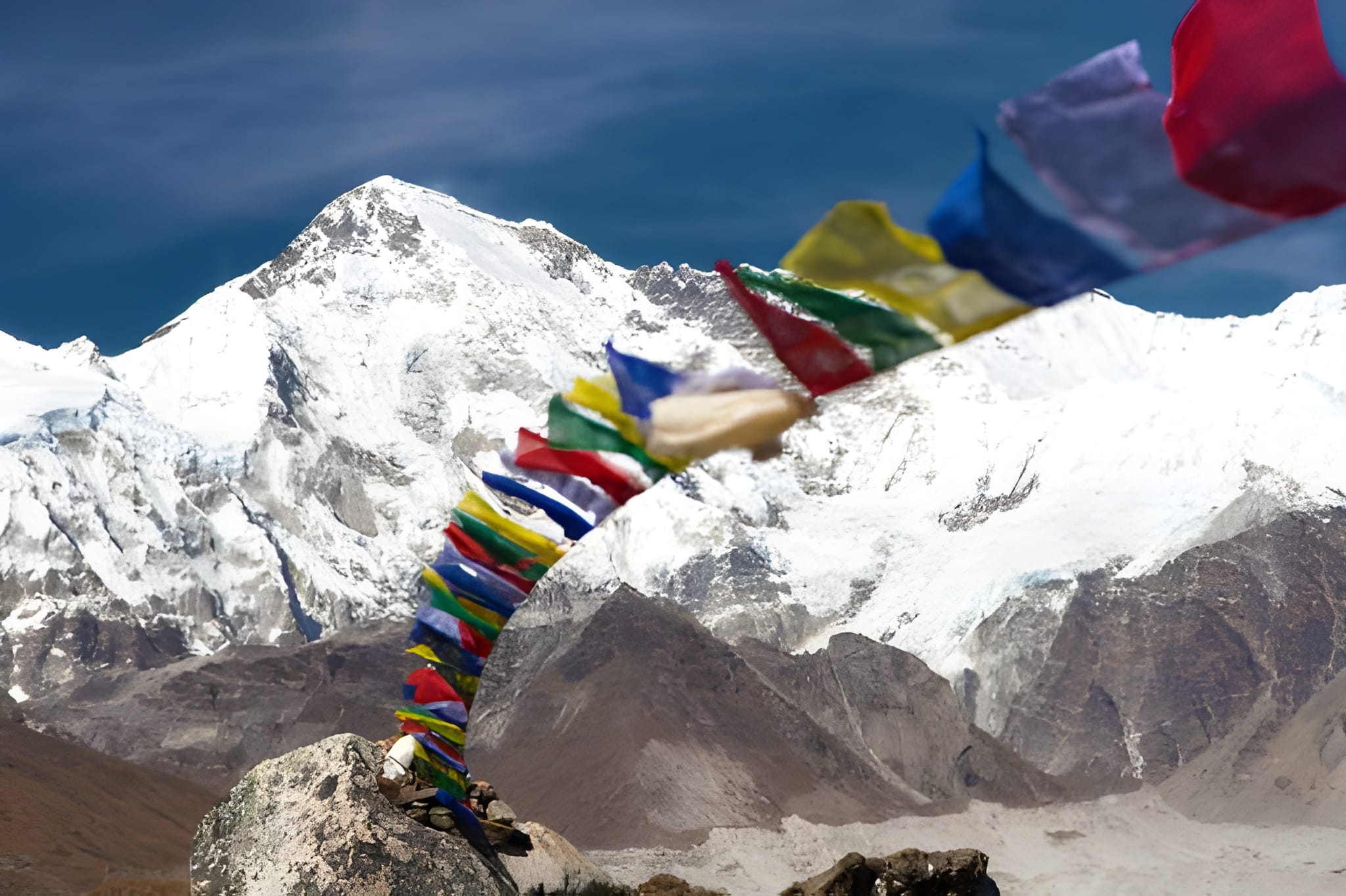
The EBC trek is one of these experiences in life that are so amazing – and seeing all that with your own eyes AND getting that close to it, experiencing life out there and hiking to the Base Camp with yourself – it’s very hard to beat. But you know the air gets pretty thin when you get up there high in them there hills, and getting used to a new altitude can put one through a windshield butt-first. Of these, altitude headaches are amongst the most common early symptoms of Everest Base Camp trek altitude sickness, and knowing how to manage them properly is important for having a safe and enjoyable trip. And so, even if you have not started dreaming of trekking to Everest Base Camp 2025 or considering signing up for an Everest Base Camp trek package this season already, being able to avoid and also cure altitude headaches can be all the difference when it comes to having a good time in the Himalayas and just wasting your salaried vacation days!
How to Embrace the Altitude Headache on the Everest Trail
Altitude headache: When your body struggles to adjust to a decreased amount of oxygen as you go up in elevation. The overall route of the trek to Everest base camp sees you climb to a maximum elevation of slightly over 5,300 meters at the starting point and base camp down around 2,800 meters at Lukla. When you come to that elevation so suddenly, your body isn’t accustomed to it. Persistent headache can occur if acclimatization is insufficient, rehydration is poor, or ascent is too quick. For most trekkers, this discomfort first occurs in the area around Namche Bazaar or Tengboche, when oxygen levels are known to begin falling. And in its early stages, telling your EBC trek guide about any headache symptoms means you can get the right treatment before it turns into a full-blown case of Everest Base Camp trek altitude sickness, such as Acute Mountain Sickness (AMS).
Prevention by Proper Acclimatization
The best method for coping with altitude headaches is through prevention. A good EBC Trekking plan always keeps some spare rest days in most of the big cities like Namche Bazaar and Dingboche. These detours enable your body to acclimate to the height, producing additional red blood cells to transport oxygen. Headaches and fatigue are exacerbated by ascent pressure. If you’re travelling with a reliable local company, your Everest Base Camp trekking package is going to have plenty of acclimatization stops and treks in light of higher points just before returning down again, and it’s important then that you follow the lead of your Everest Base Camp trek guide.
Keeping moisturized, avoiding alcohol and caffeine, as well as drinks and water. Medical researchers found that dehydration was a huge cause of altitude headache, despite being in cold-dry conditions up in the Himalayas. The cold season at high altitude sees fewer releases of fluids into the atmosphere, and trekkers lose their own sweat more quickly and moisten their breath. In these places, lodges will prepare a hot drink such as tea or an herbal beverage for lunch or dinner. Your Everest Base Camp Guide will constantly remind you to drink and avoid caffeine/alcohol that may make one more dehydrated and heighten altitude sickness.
Understanding The Symptoms Of Headaches
The headaches that you suffer with throughout your Everest Base Camp trek are not deadly, but in case your headache starts to become constant or grows and keeps bothering you, this shows the start of Everest Base Camp altitude sickness. Mild headaches can usually be treated with rest, fluids, and painkillers — but if they persist or come on in combination with dizziness, nausea, or shortness of breath, then you need to act. Your guide on your journey to Everest Base Camp is also knowledgeable about things like altitude sickness and can tell when you’re in trouble at elevations far higher than mortal folks. They will adjust your itinerary, add padding in case you get a day or two sick, and evacuate if it’s necessary.
Guided Support and Local Expertise
Guided Day Hikes are an excellent way to resolve acclimatization troubles. The Good Everest Base Camp trek guide – he understands the early symptoms of Everest Base Camp trek altitude sickness and also has all that it takes to ensure unsuspecting trekkers are not caught off guard. When you book with the local agency, Everest Base Camp trek, it’s always safe. People who can show you the local lay of the land, know where the weather patterns are forming, and how to safely acclimate better than anyone.
They will decide how fast you walk, include rest stops, and rearrange your Everest Base Camp trek itinerary if they feel it’s necessary. Everest Base Camp Helicopter Return Trek is the most secure and scenic option for those who have suffered from continuous headaches or extreme tiredness at high altitudes. Looking for a trek package including this 24-hour emergency assistance will take the worry out of your trip and make sure that when you do, the Everest Base Camp trek 2025 now has to offer.
Planning Your Hike When The Conditions Are Right
For the trekkers of Everest Base Camp, the spring (March to May) and autumn seasons (September to November ) are suggested to visit this to reduce altitude headaches and health risk. Both months have nice weather; clear skies with great temperatures for acclimatizing! It is extremely cold for trekking, even in winter, and heavy monsoon rain makes it impassable. By choosing the right season and pairing up with a reputable local agency, you can trek safely and comfortably. Assess your Everest base camp trek map earlier than your journey to make it clean to perceive the altitude benefits and resting spots. Preparation: planning your Everest Base Camp trek from Kathmandu allows you to end up psychologically and physically acclimated earlier than starting off. For one component, timing and guidance could make a good-sized distinction in avoiding altitude complications.
Final Thoughts
Chronic mountain headaches such as these are an issue, but with the right information and preparation, they can be kept on a short leash when traveling to Everest Base Camp. Dealing with altitude is something we know well, and good acclimatisation, pacing, hydration, and the support of our Shera team make your trip safer and more enjoyable. Your Everest Base Camp trek guide monitors your health and condition, makes sure you’re feeling welland sets the pace accordingly, or otherwise advises from his/her experience.
Choose an experienced EBC trek with a local company on your customised Everest Base Camp trek route, and trek during the best time for treks in the Everest region, you are unlikely to get acute mountain sickness (AMS). Whether it’s your very first trek or a token on the bucket list of Everest Base Camp Trek 2025, by following these tips, you’ll hope to ensure that your trip is one of those lifetime trips for all the right reasons: panoramic views and great achievements – not the sting in altitude-based headaches!
