



Table of Contents
- Introduction
- Smart Home Integration
- Sustainable Living
- Amenities and Community Spaces
- Adaptive Reuse and Design
- Virtual Experiences and Leasing
- Long-Term Renting Trends
- Conclusion
Apartment living is being redefined for a new generation of renters, with communities adapting to fresh expectations around technology, sustainability, and shared spaces. As more people prioritize convenience, flexibility, and vibrant neighborhood atmospheres, apartment complexes have evolved to offer far more than a roof overhead. In areas like South Florida, Miami Beach real estate agents are witnessing firsthand how high-rise residences and boutique buildings are leading the way in modern amenities and innovative design.
This shift isn’t simply about adding upscale features; it reflects a profound change in how society approaches home—emphasizing connectedness, energy consciousness, and adaptability. Forward-thinking property developers and managers are actively shaping lifestyles and communities, creating living environments that appeal to diverse demographics.
For residents, these trends translate to increased convenience, a stronger sense of community, and often, a greater sense of belonging. As urban centers continue to grow and adapt, the lessons from today’s apartment communities could influence housing norms for years to come.
This evolution is also a response to renters’ demand for lifestyle-based features and flexible leasing options, driven in part by remote work and shifting economic conditions.
Smart Home Integration
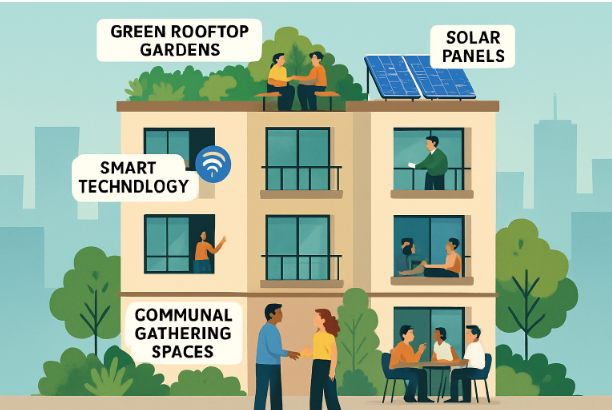
Technology touches nearly every part of modern apartment life. Today’s renters expect features such as voice-activated assistants, keyless smart locks, and WiFi-enabled thermostats to be as basic as running water. Smart home integration enables tailored comfort—residents can schedule climate settings or grant remote building access through dedicated apps. For landlords and managers, these tools streamline maintenance and improve security.
Beyond convenience, smart devices offer significant benefits for sustainability and energy savings. For example, smart thermostats can cut utility costs by learning resident preferences and interacting with local weather forecasts, further reducing environmental footprints.
Sustainable Living
Environmental responsibility is no longer an optional perk in apartment developments—it’s a requirement for attracting and retaining tenants. Eco-friendly buildings utilize materials and systems designed to minimize their carbon footprint, incorporating features such as solar panels, LED lighting, and high-efficiency appliances. Green rooftops, rainwater harvesting, and recycling stations are now standard in many metropolitan areas.
Cities like Toronto and San Francisco serve as models for urban sustainability, establishing ambitious benchmarks that other regions strive to meet. The adoption of these features supports cleaner air, reduced utility bills, and a healthier community atmosphere, appealing especially to younger residents and professionals.
Amenities and Community Spaces
Modern apartment communities blur the lines between private living and shared experiences. Residents benefit from thoughtfully designed spaces that encourage socialization and work-life balance, including co-working lounges, pet grooming rooms, rooftop terraces, and fitness centers. These features cater to diverse demands—from remote work needs to recreational options for children and pets.
Fostering Community Interaction
The emphasis on communal amenities marks a notable shift from past decades, when privacy and separation were prioritized. Events coordinated within shared spaces—such as yoga classes, cooking demonstrations, or maker workshops—support community connections and foster long-term resident satisfaction. Well-designed amenities play a crucial role in both attracting new tenants and retaining existing ones in competitive rental markets.
Adaptive Reuse and Design
Urban density and rising construction costs have led to a surge in adaptive reuse projects, transforming historic buildings, office towers, and even former factories into stylish, sought-after apartments. In 2024 alone, nearly 25,000 apartments were created through these conversions, representing a 50% year-over-year increase. These projects preserve architectural character, contribute to sustainable development, and revitalize city neighborhoods.
Adaptive reuse not only conserves valuable resources but also solves zoning challenges and increases housing supply in high-demand areas. The result is an eclectic mix of residences that appeal to both urban explorers and history lovers.
Virtual Experiences and Leasing
The leasing journey for renters has undergone a digital transformation. Virtual tours, interactive 3D floor plans, and self-guided showings allow prospective residents to explore and compare options from anywhere, long before an in-person visit. Innovative partnerships with visual media and furniture staging companies make these digital visits remarkably realistic, sometimes even incorporating virtual furniture shopping for a personalized touch.
These enhancements are particularly valuable for professionals relocating from other cities or countries, who can confidently choose a home remotely. The efficiency of this process caters to fast-moving rental markets and the growing expectation for seamless, tech-enabled services.
Long-Term Renting Trends
The notion that renting is a stopgap measure is fading. Surveys reveal that a growing portion of tenants now view renting as a strategic, long-term choice, not merely a temporary phase before homeownership. This is leading property managers to focus on fostering deeper community bonds, introducing loyalty programs, and engaging residents in decision-making processes for community improvements.
Residents value the flexibility to move for career or lifestyle reasons, combined with the predictability and services a well-managed community offers. The rising interest in long-term or even lifelong renting is expected to continue reshaping neighborhood dynamics and property management philosophies.
Conclusion
Apartment communities are actively shaping the future of modern living, going beyond mere housing to create vibrant, sustainable, and connected environments. By evolving to meet the needs and preferences of residents, these communities integrate smart technology, eco-friendly practices, inclusive amenities, innovative design, and flexible leasing, setting new standards for what it means to rent in the 21st century.
