



Key Takeaways
- Prioritize a balanced selection of CPU and GPU to avoid performance bottlenecks.
- Invest in sufficient RAM and fast storage solutions for smoother gameplay.
- Ensure proper cooling and power supply to maintain system stability.
- Regularly update drivers and optimize system settings for peak performance.
Building a high-performance gaming PC is a fulfilling process that blends technical know-how with personal taste. Choosing the right components can feel overwhelming, yet with careful planning, you can create a machine that delivers exceptional gaming performance for years to come. For those looking for instant results, gaming PCs optimized for 4K and high FPS can be a worthwhile option, especially if time or expertise are constraints.
Understanding which elements to prioritize, like CPU, GPU, memory, and cooling systems, not only ensures responsiveness but also prolongs the lifespan of your rig. While it is tempting to invest heavily in one or two parts, a balanced approach produces the most consistent and satisfying results for every type of gamer.
Keeping up with evolving technologies, choosing reliable brands, and assembling a compatible system can lay the foundation for competitive or immersive gameplay. Whether you are aiming for superior graphics or minimal latency, a methodical build process will pay dividends in your daily gaming sessions.
As you plan your setup, recognizing the differences between component categories and their impact on real-world performance is essential. Doing so will help you avoid common pitfalls seen in many DIY builds.
Selecting the Right CPU and GPU
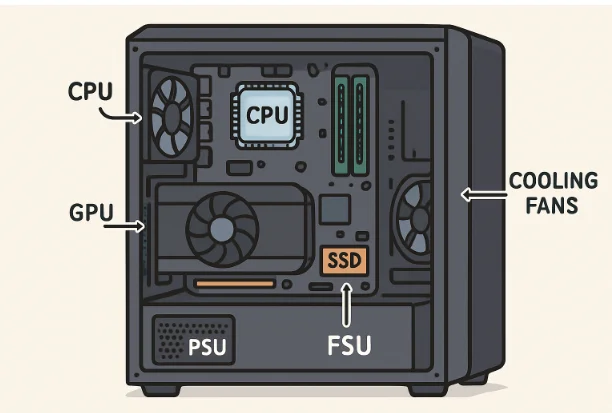
The CPU (Central Processing Unit) and GPU (Graphics Processing Unit) are the backbone of any gaming PC. These two components define your rig’s capabilities, influencing everything from frame rates to graphical fidelity. Modern games increasingly demand powerful, multi-core CPUs that work in tandem with high-end GPUs to render cutting-edge visuals while maintaining smooth gameplay. When building your system, balance is crucial. Pairing a premium GPU with a weak CPU, or vice versa, can result in bottlenecks where one component limits the other’s full potential. Choose a CPU and GPU that complement each other and fit your primary gaming resolution and refresh rate.
Investing in Adequate RAM
RAM (Random Access Memory) is the unsung hero of reliable gaming performance. As game environments grow increasingly complex, the need for sufficient, fast RAM becomes more important. Currently, 16GB of DDR4 or DDR5 memory is considered the sweet spot for most gaming PCs. This amount supports multitasking, minimizes stutter, and allows smooth transitions in modern AAA titles. Opting for dual-channel memory kits can further enhance throughput, reducing data bottlenecks and improving overall system responsiveness.
Gamers who love streaming, heavy modding, or using memory-intensive applications may wish to consider 32GB to future-proof their system. Monitoring memory usage in Windows Task Manager or third-party applications helps you determine whether your build requires additional RAM.
Choosing Fast and Reliable Storage
Storage speed directly impacts load times and system responsiveness. Solid State Drives (SSDs), especially those using the NVMe interface, offer faster boot and game load times than traditional mechanical Hard Disk Drives (HDDs). For a high-performance gaming experience, use an SSD as your primary drive for your operating system and your most-played titles. Supplementary HDDs remain valuable for storing large files, backups, or older games where speed is not as critical.
Many new SSDs also support advanced features such as hardware encryption and robust error correction, making them highly reliable for daily use.
Ensuring Effective Cooling Solutions
Maintaining optimal operating temperatures is vital for both performance and the longevity of your investment. High-performance processors and graphics cards generate significant heat when under load, requiring carefully chosen cooling systems. Air cooling solutions are affordable and efficient for most builds, while all-in-one or custom liquid cooling solutions provide superior heat dissipation for overclocked or high-end setups.
Case fans should be configured for balanced intake and exhaust airflow. Clean cabling and dust management further support optimal cooling throughout your PC. Monitoring temperatures using tools like HWMonitor can help you spot issues before they become critical.
Selecting a Reliable Power Supply Unit (PSU)
The Power Supply Unit is responsible for delivering stable electricity to every part of your gaming PC. Using a trustworthy PSU with sufficient headroom prevents crashes, component damage, and instability during demanding tasks. Select a model that offers at least 80 Plus Bronze certification and consider modular units for improved cable management and airflow within your case. It is prudent to purchase a PSU with slightly more wattage than your initial requirement, allowing room for future upgrades or expansions without risking insufficient power delivery.
Regularly Updating Drivers and System Software
Driver updates frequently bring compatibility improvements and optimizations for the latest games. Graphics card drivers, in particular, have a dramatic effect on frame rates and visual performance. Utilities like NVIDIA GeForce Experience or AMD Radeon Software make it simple to identify and install new drivers regularly. Additionally, keeping your operating system and BIOS up to date improves security and enables support for newer hardware components.
Optimizing System Settings
Performance depends on more than just hardware. Tweaking in-game graphics settings, enabling Windows Game Mode, and adjusting power management profiles can yield notable gains. Manage startup programs and unnecessary background applications to ensure the majority of your system’s resources are dedicated to your gaming experience. Periodically review and refine these settings each time you upgrade components or try new games.
Testing and Benchmarking Your Build
After your gaming PC is assembled and set up, comprehensive testing and benchmarking are key for verifying stability and performance. Use industry-standard tools like 3DMark or Cinebench to run stress tests, identify weaknesses, and confirm that every part of your build meets expectations. Regular benchmarking also helps you track performance trends over time, alerting you to emerging hardware or software issues so you can address them promptly.
By applying these strategies and best practices, you can craft a gaming PC tailored to your individual requirementsdelivering hours of stable, high-quality gameplay and efficient performance throughout its lifespan.
