



Why Specialist Moves Matter To Mississauga’s Research Community
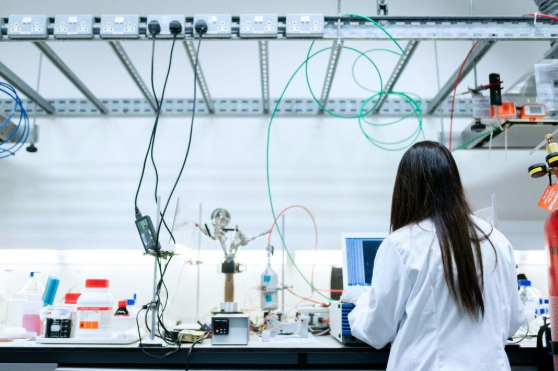
Mississauga sits at the centre of the GTA’s business community and a good share of that community does work that depends on precision. Universities, hospitals and life sciences companies all run laboratories where a single lost sample can set a project back by months. When one of those teams changes sites, the move itself becomes part of the science.
That is where Armstrong Scientific Transport comes in. The company handles laboratory relocation and specimen transport for Canadian research teams and it belongs to Armstrong, a Canadian family business with roots going back to 1963. This feature looks at what a careful laboratory move involves and why the people behind it matter to the wider business community.
Where Laboratory Relocation Differs From Other Moves
A laboratory holds things that an office never does. Freezers store material that cannot be replaced and instruments often need recalibration after they travel. Movers who spend most of their time with household furniture may not be set up for these demands, so laboratory work calls for a team trained for it.
Temperature is usually the first concern. Specimens may need to stay at a set temperature from the moment they leave the origin until they reach the destination. Armstrong Scientific Transport plans each move around that continuity and uses climate-controlled transport to protect it. Its plug-in trailer capability supports ultra-cold transport when a sample cannot be allowed to warm.
Specimen transport adds another layer. Samples may leave one facility in the morning and need to reach another before the day ends. The vehicle and the handover time both have to line up. Each handover should be recorded, so a research team can see who held the specimens and when.
Inventory, Packing and Arrival
Inventory control matters just as much. Every item should be listed before the move and checked against that list on arrival. The record gives a research manager something firm to point to if a question comes up later. It also lets the receiving team set up the new space in a sensible order, which shortens the transition back to normal work.
Packing and preparation call for the same care. Delicate glassware and sensitive electronics each need their own protection and the team doing the packing has to know the difference. Careful packing and preparation at the origin help a crate come off the truck in the condition it went on.
Arrival is a stage of its own. Crates should reach the destination in the order the receiving team needs them, so instruments and freezers can be placed first. A short walk-through with the research manager confirms that everything on the inventory has landed. Any item that needs recalibration can then be flagged before experiments restart.
Teams across the GTA face these questions in many forms. A biotech start-up moving into a new unit and a hospital department consolidating its space both need answers about temperature and timing. A university lab changing buildings needs the same answers, along with a plan for equipment that cannot be replaced quickly. The scale differs from one project to the next, yet the care involved stays the same.
Questions To Ask Before Choosing a Laboratory Mover
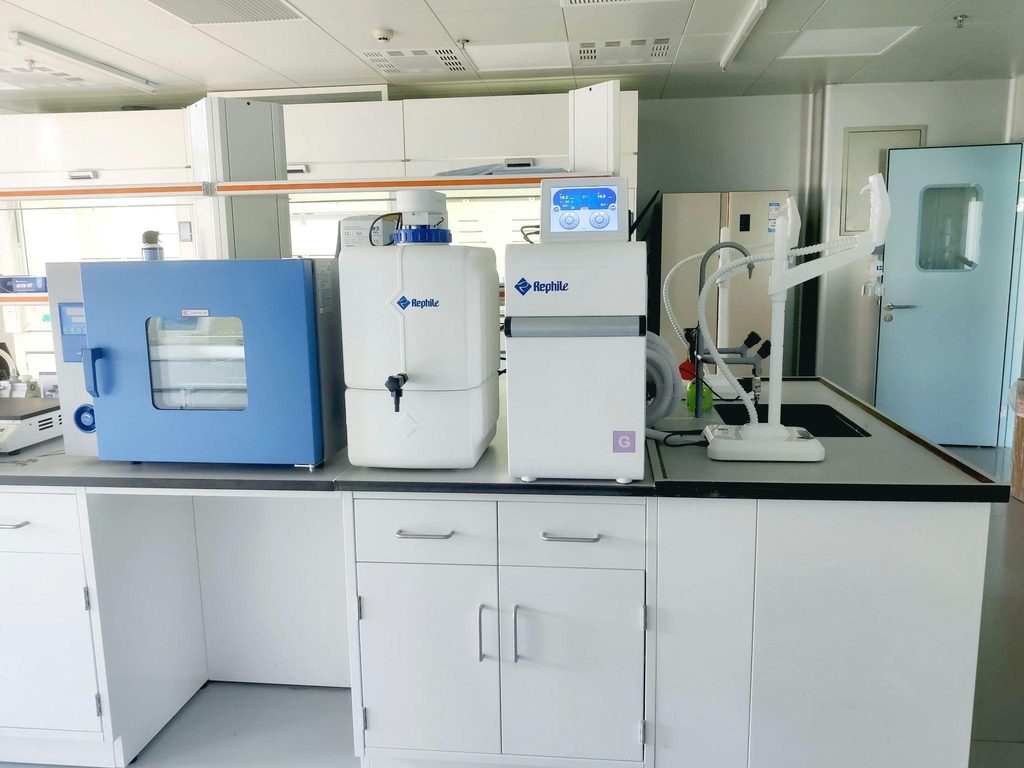
Experience comes first. Ask a prospective mover how many laboratory relocations it has completed and what happened on the most demanding one. A team that does this work regularly will answer in specifics and references from moves of a similar size are worth requesting. Within the wider Armstrong organization, many staff have long tenures, so knowledge stays with people who have seen many kinds of moves.
Documentation is the second question. Ask what records the mover keeps and how a research manager can follow progress during the move. Clear answers point to a team that treats inventory as part of the job. Accurate records also make any later question easier to settle.
Contingency planning follows. Buildings have loading limits and elevators are not always free when a team needs them. A mover who has visited both sites and mapped the route will have answers ready before the day arrives. If the plan includes temperature backup, a delay on the road becomes a manageable event.
Timing and The People On Site
Timing needs equal attention. A research team cannot pause its work for weeks, so the schedule has to cover shutdown and restart as well as transport. Planning that begins early leaves room to survey both sites and confirm equipment sizes. That shortens the gap between the last experiment at the old site and the first one at the new site.
Finally, ask about the people involved. Handing over a freezer means handing over years of effort. A research team should know who will be on site and who will answer the phone when a question comes up. Accountability is easiest to judge in conversation, so a call or site visit before booking is time well spent.
What a Well-Run Move Means Beyond The Lab
A well-run move also matters beyond the lab. When a relocation goes well, the research team keeps its schedule and its funders keep their confidence. Property managers and neighbouring tenants benefit as well, since a careful move leaves corridors and loading docks in good order.
Peace of mind comes from details and from people. Researchers build routines around their benches and a change of site interrupts them. A mover who communicates clearly and arrives when promised helps the team settle back into its work. That reassurance is part of the service and it shapes how the whole transition feels.
Moving Research Forward Across The GTA
Research teams across Mississauga and the GTA do work that cannot easily be repeated, so the choice of a laboratory mover calls for real thought. The questions in this article give any team a starting point: experience, documentation, contingency plans and the people on site.
Armstrong Scientific Transport brings specialist knowledge of laboratory relocation and specimen transport, backed by the care of a Canadian family business. Its approach to planning and temperature control gives research teams a clear path from first survey to final delivery.
Contact Armstrong to talk through your relocation and ask for a customized plan built around your equipment and your schedule.
FAQ
How is a laboratory move different from an office move?
A laboratory move involves material that often cannot be replaced, such as specimens stored in freezers. Instruments may also need recalibration after they travel. That is why the work calls for a team trained to handle it.
How are specimens kept at the right temperature during transport?
Specimens may need to stay at a set temperature from the moment they leave the origin until they reach the destination. Climate-controlled transport protects that continuity. A plug-in trailer capability supports ultra-cold transport when a sample cannot be allowed to warm.
What records should a laboratory mover keep?
Every item should be listed before the move and checked against that list on arrival. Each handover of specimens should also be recorded, so a research team can see who held them and when.
What should I ask before choosing a laboratory mover?
Ask about experience, documentation, contingency planning and the people who will be on site. A team that does this work regularly will answer in specifics. References from moves of a similar size are worth requesting.
How far ahead should a laboratory relocation be planned?
Planning should begin early enough to survey both sites and confirm equipment sizes. The schedule also has to cover shutdown and restart as well as transport. That shortens the gap between the last experiment at the old site and the first one at the new site.
Read More: Translation Management System: The Complete Guide
