



You might be feeling a quiet knot in your stomach every time you think about taking your child to the dentist. Maybe you remember your own childhood visits, the sharp smell, the bright lights, the sounds that made you grip the chair, and you worry your child will feel the same fear. Or maybe your child has already had one rough appointment with an East Cobb family dentist, and now even mentioning the word “dentist” brings tears or a firm “no.”
Because of all of that, you may be wondering how some families seem to have children who walk into the dental office calm, curious, even smiling. Is it just the child’s personality, or is there something different about how a good family dentist works with kids?
The short answer is that it is not just luck. Many family dentists are very intentional about creating gentle, predictable, and even fun experiences for children. They use child-friendly communication, careful planning, and science-backed strategies to lower fear and build trust over time. When this comes together, dental visits stop feeling like a crisis and start feeling like a normal part of growing up.
This guide walks through what is really going on behind the scenes. You will see why some visits feel traumatic and others feel calm, how a family dentist designs a “kid-safe” experience, and what you can do at home to support your child between visits.
Why do dental visits feel so scary for kids in the first place?
Before talking about solutions, it helps to name what you are already seeing. Many children fear the dentist for a mix of very understandable reasons. There is the unfamiliar environment, the strange tools, the feeling of losing control, and sometimes the memory of pain. If you feel stressed walking into the office, your child often senses that too.
Imagine a common scenario. Your child has a toothache that has been getting worse. You are juggling work, school schedules, and finances. You finally get an appointment. By the time you arrive, your child is in pain, you are worried about the cost, and everyone is already tense. The dentist now has to treat a hurting child who has never built trust with them. That is a hard starting point for anyone.
There is also the emotional weight of feeling like you “should have” done more. Maybe you worry you missed some brushing battles. Maybe you feel guilty about snacks, bottles at night, or missed checkups. That guilt can make every question from the dentist feel like judgment, even when it is not meant that way.
So where does that leave you? In a place where both you and your child are on edge, and the visit can easily feel overwhelming.
How do family dentists turn a stressful visit into a calmer one?
A skilled family dentist understands all this and plans around it. Their goal is not only healthy teeth. Their goal is a child who trusts that this is a safe place. That trust grows through a series of choices that may look small, but add up to a very different experience.
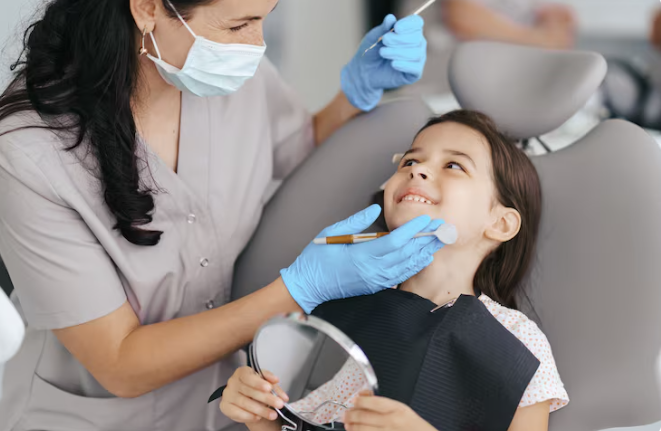
First, there is how the visit starts. A child-focused dentist will usually begin with conversation, not instruments. They may talk about school, hobbies, or a favorite show. They might “count” your child’s teeth with a mirror before doing anything else. Many use a “tell, show, do” approach. They tell the child what they will do in simple language, show the tool, then gently do it. This sequence lowers the fear of the unknown, which is one of the biggest drivers of anxiety.
Second, there is the environment. Waiting rooms often have books, toys, or screens that feel familiar. Treatment rooms might have ceiling TVs, music, or a favorite stuffed animal nearby. These are not just decorations. They give your child something safe to focus on so the dental work does not feel like the only thing happening.
Third, pain control and comfort are treated as non-negotiable. Modern techniques and numbing methods are very different from what many adults remember from their own childhood. Good family dentists are careful with timing, dosage, and explanation. They also watch your child’s body language and pause when needed. Research shows that early positive experiences reduce dental anxiety later in life, so this extra care is not a luxury. It is an investment in your child’s future health.
Finally, there is education. You are not expected to figure everything out on your own. Many family practices share simple guidance on brushing, flossing, and diet, such as the kind of tips you can find in these CDC oral health recommendations for children. Clear information helps you feel less judged and more equipped, which also calms your child because they see you are more relaxed.
What specific strategies do family dentists use to support children?
Different children need different approaches, so family dentists often draw from a flexible toolkit.
For very young children, the focus is often on getting used to the office. Short “happy visits” with a quick look, a ride in the chair, and a small prize can build familiarity. Guidance for babies, like avoiding putting them to bed with a bottle and wiping their gums, often mirrors advice from resources such as this Healthy Mouth for Baby guide.
For anxious school-age children, some dentists use behavior guidance techniques such as distraction, breathing exercises, or simple choices. A child might choose which flavor toothpaste to use or which cartoon to watch. Even small choices give a sense of control. In more complex situations, research-supported methods, including conscious sedation or specific behavioral approaches, can be used carefully. Studies, such as those summarized in pediatric dentistry research on behavior guidance, show that gentle, structured approaches can lower anxiety and improve cooperation.
For children with special healthcare needs or sensory differences, a family dentist may adjust lighting, sounds, timing, or even schedule longer, quieter appointments. Some practices encourage a pre-visit tour so the child can see the room without any procedures being done.
When these approaches are used consistently, a child who once clung to the doorframe can gradually become a child who walks in knowing what to expect. That shift changes the entire mood for the whole family.
How do these approaches compare to “just getting it over with”?
You might wonder whether all this extra care is really necessary, especially when you are busy or money is tight. Is it worth taking the time to build comfort, or should you just push through and get the treatment done?
| Approach | Short-term impact on child | Long-term impact on dental anxiety | Effect on oral health |
|---|---|---|---|
| “Just get it done” with minimal preparation | Higher fear and tears. Child feels powerless. | Greater chance of ongoing fear, avoidance, and stress at future visits. | More missed checkups. Problems often found later and may be more severe. |
| Comfort-focused children’s dental care with a family dentist | More cooperation. Child feels heard and safer. | Lower anxiety over time. Visits become routine, not emergencies. | More regular preventive care. Problems are caught earlier and are easier to treat. |
The second approach may take a bit more patience at the start, yet it often saves time, money, and emotional energy in the long run. Preventive visits are usually far less stressful than emergency appointments to treat pain or infection.
What can you do right now to help your child feel safer at the dentist?
Even the most gentle family dental care works best when it is a partnership with you. There are simple steps you can take before, during, and after appointments that make a real difference.
1. Start the conversation early and keep it honest
Talk about the dentist as part of normal life, not as a threat. Avoid saying things like “It won’t hurt at all” if you are not sure. Children notice when promises do not match reality. Instead, you can say, “The dentist’s job is to help keep your teeth strong. You might feel some funny sensations, and if anything feels too strong, you can raise your hand and we will pause.”
Read simple books or watch age-appropriate videos about dental visits. Play “dentist” at home with a mirror and toothbrush. Take turns being the dentist and the patient. This kind of play makes the real visit feel familiar instead of mysterious.
2. Choose a family dentist who truly welcomes children
When you call an office, ask specific questions about how they work with kids. Do they schedule extra time for young or anxious children. Do they offer “get to know you” visits. How do they handle a child who cries or refuses to open their mouth. Their answers will tell you a lot about their comfort-focused mindset.
Pay attention to how the staff talks to your child at the first visit. Do they speak directly to your child in a warm, respectful way. Do they explain what they are doing in simple words. A good fit feels calm, not rushed, even when the schedule is busy.
3. Create a steady routine at home to support what happens in the office
When home care is consistent, visits are shorter, easier, and less likely to involve invasive treatment. Encourage twice-daily brushing with a small, soft brush and a pea-sized amount of fluoride toothpaste for older children, and a smear for younger ones, following age-specific guidance from your dentist. Make it part of the bedtime and morning routine, like washing hands or putting on pajamas.
Stay curious rather than critical. If your child resists brushing, ask what feels hard. Is the toothpaste “too spicy”. Is the brush too big. Work together on solutions instead of turning it into a battle. This cooperative tone matches what a good family dentist is trying to build in the office, so your child gets a consistent message.
Finding confidence in your child’s dental journey
You do not have to choose between healthy teeth and a calm child. With the right partner and a bit of planning, dental care can become something your child understands and even accepts, instead of something they fear. Over time, those early gentle visits shape how they feel about health care in general, and that is a gift that lasts far beyond one appointment.
Your concerns are valid. Your child’s fears are real. And both can be met with patience, skill, and compassion from a family dentist who understands children and from simple, steady steps you take at home. When everyone works together, the dental chair becomes less of a battle ground and more of a place where your child’s confidence grows, one visit at a time.
