



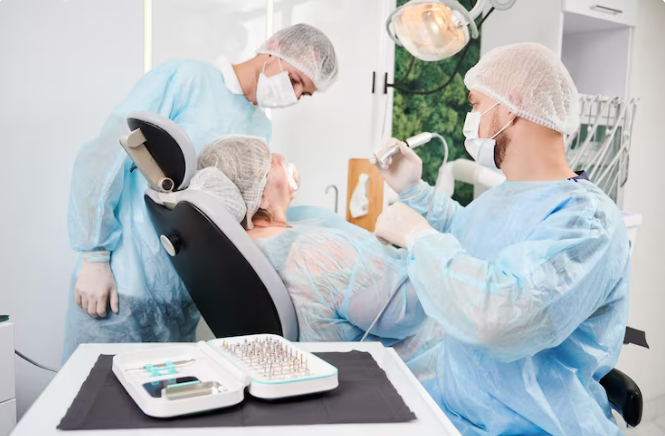
You might be feeling caught between two hard choices right now. On one side, you know you need oral surgery or dental implants and are searching for an Oral Surgeon for Basking Ridge NJ. On the other, the thought of the procedure, the sounds, the needles, and the pain has you thinking about canceling your appointment altogether. You are not being dramatic. Dental fear is real, and it can be exhausting.end
Maybe you have been putting off a tooth extraction for months. Maybe you were told you are a good candidate for implants, but the idea of sitting through surgery makes your stomach tighten. Because of this tension, you might wonder whether there is any way to get the care you need without feeling overwhelmed or out of control.
That is exactly where modern dental sedation comes in. Today’s techniques are designed to keep you safe, relaxed, and often with little memory of the procedure. In simple terms, the advantages of modern sedation in oral surgery are threefold. It reduces fear and stress, it makes treatment smoother and often more efficient, and it improves comfort and recovery when used correctly and monitored carefully.
So the big picture is this. You can get the care you need, feel far more at ease while it happens, and walk out wondering why you were so scared in the first place. The rest of this page will unpack how that actually works and what you should think about before saying yes.
How does dental anxiety turn one appointment into a long-term problem?
Think about the last time you sat in a dental chair feeling tense. Your shoulders were tight, your jaw clenched, you were listening for every sound. Now imagine that same feeling stretched across a longer procedure like an extraction or implant placement. Your heart races, your breathing changes, and the entire visit feels like something to endure, not a step toward better health.
When fear takes over, people often delay treatment. A small cavity becomes a root canal. A cracked tooth becomes an extraction. Missing teeth affect chewing and confidence. Financially, what could have been a simpler, less expensive treatment can grow into a bigger and more costly plan. Emotionally, you might feel frustrated with yourself for waiting, even though you were only trying to protect yourself from fear.
So where does that leave you if you know you need surgery, but your anxiety is loud and constant?
This is where modern sedation in oral surgery changes the experience. Instead of forcing yourself to “tough it out,” you and your oral surgeon can choose a sedation option that matches your medical history, your level of fear, and the complexity of your procedure. That might be light oral medication, nitrous oxide, IV sedation, or general anesthesia, each with its own purpose and safety rules.
If you want to understand the medical side of sedation levels and how anesthesia is used in outpatient care, you can review the American Association of Oral and Maxillofacial Surgeons guidance on anesthesia in the outpatient setting. It explains how professionals monitor breathing, heart rate, and response during sedation.
What are the 3 key advantages of modern sedation techniques?
So, what are the actual benefits beyond just “feeling calmer” in the chair?
1. Real relief from fear and stress
Modern sedation techniques are designed to quiet your nervous system enough that you can get through treatment without feeling panicked or overwhelmed. With options like nitrous oxide or oral sedation, you stay awake and able to respond, but your anxiety is softened and time feels shorter. With IV sedation, many people remember little to nothing about the procedure afterward.
For patients who have had traumatic dental experiences in the past or who have strong gag reflexes, this can be the difference between avoiding care and finally getting healthy. Medically, this matters because untreated dental infections can spread and affect your overall health, including your heart and immune system.
To see how pre-sedation instructions and expectations are usually handled, you can look at these patient preparation guidelines for surgery and anesthesia. They show how carefully timing, food, and medication are managed before sedation.
2. Smoother, more efficient treatment for you and your surgeon
When you are comfortable, your oral surgeon can work more steadily. You are not flinching from every sound or movement. You do not need frequent breaks to regroup. That means your dentist or surgeon can often complete more work in a single visit, which can reduce the total number of appointments.
This is especially important for implant dentistry, wisdom teeth removal, and multiple extractions. Instead of spreading treatment across several stressful visits, your surgeon may be able to safely plan more in one session with sedation and careful monitoring.
From a safety perspective, sedation is not just about comfort. It allows controlled movements, steady blood pressure, and a more predictable surgical field. All of that helps your oral surgeon focus on accuracy instead of managing constant distress.
3. Better pain control and a calmer recovery
While sedation itself does not replace local anesthesia, the combination of numbing and sedation can lead to a far more comfortable experience. You are less aware of the procedure while it is happening, and you often wake up with only mild discomfort at first, which is then managed with pain medication and home care.
There is also a psychological benefit. If your memory of the procedure is limited or neutral, you are less likely to build more fear about future visits. Over time, this can change your relationship with dental care from “I will avoid it as long as possible” to “I can handle this with the right support.”
If you are curious about how anesthesia and sedation are used in other settings, the overview of anesthesia and pain medicines can help you understand the difference between local, regional, and general approaches.
How do the benefits compare to the risks and practical concerns?
Every medical decision involves tradeoffs. Sedation is no different. You might be wondering how the benefits stack up against the risks, the cost, and the practical details like taking time off work or arranging a ride home.
Safer modern sedation does not mean risk-free. It means the medications, monitoring equipment, and training are far better than they were years ago. Your oral surgeon should review your medical history, medications, allergies, and previous experiences with anesthesia. That is especially important if you have heart or lung conditions, sleep apnea, or other chronic health issues.
For some people, a lighter form of sedation is enough. For others, especially those having longer or more complex procedures, deeper sedation might be recommended. Understanding the tradeoffs can help you choose what feels right for you.
| Sedation Approach | Typical Benefits | Common Concerns | Best For |
|---|---|---|---|
| Nitrous oxide (laughing gas) | Quick onset and wears off fast. You stay awake and can drive yourself home in many cases. | Mild effect for some people with severe anxiety. Not always enough for surgery. | Short procedures and mild to moderate dental fear. |
| Oral sedation (pill) | Stronger relaxation. You are awake but very calm and less aware of time. | You need an escort home. Effects can last for several hours. | Extractions, implant placement, and people with higher anxiety. |
| IV sedation | Deeper relaxation. Many patients remember little. Allows longer, more complex work in one visit. | Requires close monitoring by trained staff. You must strictly follow fasting and recovery rules. | Wisdom teeth removal, multiple implants, and extensive oral surgery. |
| General anesthesia | You are completely asleep. No awareness of the procedure. | Higher level of monitoring and medical assessment. Not needed for every case. | Very complex surgery or patients who cannot tolerate treatment while awake. |
For more on what recovery can look like after anesthesia, including common side effects like grogginess or nausea, you can review this explanation of anesthesia recovery and side effects. Knowing what is normal can help ease your mind.
What should you do next if you are considering sedation for oral surgery?
You might still feel nervous, and that is completely understandable. The goal is not to erase your fear overnight. It is to give you a clear path forward so you are not stuck in limbo, living with pain or dental problems because you are afraid of the solution.
1. Be fully honest with your oral surgeon about your fears and health history
Share what scares you most. Is it needles, pain, loss of control, or past trauma in a dental chair? Also share any medical conditions, medications, supplements, and prior reactions to anesthesia. This is not oversharing. It is safety. A good oral surgery and implant care team will use this information to recommend a sedation level that respects both your anxiety and your health.
2. Ask specific questions about monitoring, safety, and what you will feel
Ask who will be in the room monitoring you. Ask what equipment they use to track your breathing and heart rate. Ask what you are likely to remember afterward, and how long you might feel groggy. Clear, confident answers are a good sign that you are in capable hands. If something is unclear, keep asking until it makes sense.
3. Prepare for the day of surgery like you would for a flight or important meeting
Follow fasting instructions exactly. Arrange a trusted person to bring you to your appointment and drive you home if you are having oral or IV sedation. Plan a calm space to rest afterward with medications, soft foods, and written instructions close by. Treat the day as a medical event that deserves your full attention and care.
Finding peace with modern sedation in oral surgery
You do not have to choose between living with ongoing dental pain and white-knuckling your way through a frightening procedure. Modern sedation techniques for oral surgery offer a middle path. They give you a way to get healthy while protecting your emotional well-being and respecting your limits.
When you work with an experienced oral surgeon and implant dentist who understands both the technical and human side of care, sedation becomes less about “knocking you out” and more about supporting you through an important step in your health.
You deserve a mouth that feels good and a treatment plan you can face without dread. With thoughtful planning, careful monitoring, and the right level of sedation, that is entirely possible.
