



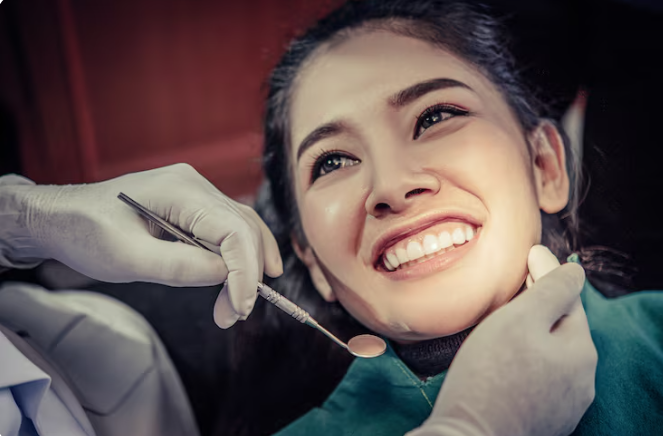
You might be feeling caught between two thoughts right now. On one hand, you want a brighter, more confident smile. On the other, you quietly wonder if your teeth and gums are even healthy enough for cosmetic work in the first place. Maybe you have some old fillings, a bit of bleeding when you floss, or a tooth that aches every now and then, and you are not sure what should come first, health or appearance. A Jacksonville dental care provider can help you sort through these concerns and create a plan that supports both.
That tension is very common. Many people arrive at a family and cosmetic dentist with a photo of the smile they want, but a mouth that is tired, sensitive, or neglected from years of putting themselves last. It can feel overwhelming and even a little embarrassing. You are not alone in that feeling, and it is more normal than you think.
The short version is this. Cosmetic dentistry can absolutely transform your smile, but it only works well when it is built on a solid base of oral health. Healthy gums, strong teeth, and good daily habits are the “floor” that cosmetic care stands on. Once that floor is steady, options like whitening, bonding, or veneers become safer, last longer, and look more natural. So where does that leave you right now?
Why a beautiful smile has to start with healthy teeth and gums
Think of cosmetic dentistry as the finishing touches on a house. Paint, lighting, and decor can make it look amazing. But if the foundation is cracked, you are just covering up problems, not solving them. Your mouth works the same way.
Under the surface, your gums and jawbone quietly hold everything in place. If they are inflamed or infected, any cosmetic work will be fighting an uphill battle. The Centers for Disease Control and Prevention explains that gum disease can lead to tooth loss and other health issues if it is not treated early. You can read more about that risk in their overview of gum and periodontal disease.
Because of this, a thoughtful cosmetic smile makeover always starts with a health check. A family and cosmetic dentist will look for cavities, signs of gum disease, bite problems, and worn enamel. It is not about judging you. It is about making sure that any cosmetic work you choose will be safe and worth your time and money.
So what happens if something is not quite right yet? Then the first step is gentle, restorative care. That might mean treating gum disease, replacing old fillings, or fixing a cracked tooth. Once those pieces are stable, cosmetic treatment becomes the “polish” instead of a temporary patch.
Common worries about cosmetic dentistry and how they really play out
You might be wondering what actually gets in the way of a healthy, attractive smile. It usually comes down to a mix of emotional and practical issues.
On the emotional side, many people feel embarrassed about stains, chips, or crooked teeth. They hide their smile in photos or avoid laughing too hard in public. Over time, that can chip away at confidence. At the same time, there can be fear. Fear of judgment from the dentist. Fear of pain. Fear that the work will look fake.
On the practical side, there are cost and time questions. Will insurance cover any of this. How many visits will it take. Is whitening enough, or do you need something more like veneers or crowns. The British Dental Health Foundation offers a helpful overview of cosmetic dental treatments if you want a neutral summary of what is possible.
Consider a few “what if” situations that many people find themselves in.
What if you have bleeding gums and want whitening. Whitening works on the surface of the teeth. If your gums are inflamed, you might feel more sensitivity, and the results may not last because the underlying disease can still cause problems. In that case, a smart dentist will treat the gum issue first, then revisit whitening once everything has calmed down.
What if you have a chipped front tooth and are thinking about veneers. A veneer can look beautiful, but if your bite is off or you grind your teeth at night, that thin shell of porcelain may crack. Correcting the bite or adding a night guard first helps protect the cosmetic work so you are not paying to fix the same tooth again a year later.
What if you have several old fillings and want a total smile upgrade. Here, a family and cosmetic dentist might suggest a mix of tooth colored fillings, crowns, and then whitening or bonding. The health repairs come first. The cosmetic refinement comes second. The result is a smile that looks great and functions well, without hidden weak points.
The CDC notes that oral health is closely tied to overall health, including conditions like diabetes and heart disease. Their page on why oral health matters explains this connection in simple terms. When you support your mouth, you are quietly supporting the rest of your body too. That is one more reason to see cosmetic work as the “finishing touch” on a healthy system, not a shortcut around it.
Comparing “quick fix” cosmetic work with health first cosmetic dentistry
It can help to see the difference between rushing into cosmetic treatment and taking a health first approach with a trusted family and cosmetic dentist. The goals might sound the same, but the path and the long term results are very different.
| Approach | What it looks like | Short term outcome | Long term outcome |
|---|---|---|---|
| “Quick fix” cosmetic focus | Whitening or veneers done without checking gum health, bite, or existing decay | Fast change in appearance. Smile may look brighter or straighter at first | Higher risk of sensitivity, broken work, or untreated disease that later needs costly repair |
| Health first cosmetic care | Thorough exam, cleaning, and treatment of cavities or gum issues before cosmetic work | Visible change takes a bit longer, but comfort and function improve along the way | Cosmetic results last longer, feel better, and are easier to maintain with daily care |
| DIY or unregulated options | Online whitening kits, mail order aligners, or social media “hacks” without supervision | Possible short term whitening or movement, but results can be uneven | Risk of gum burns, enamel wear, or bite problems that require professional correction |
When you look at it this way, the most attractive choice is the one that respects both health and beauty. That is the heart of thoughtful cosmetic dental care.
Three practical steps to move toward a healthier, better looking smile
Once you understand that cosmetic dentistry builds on health, the next question is simple. What can you do right now.
1. Get a “no pressure” health check before talking about cosmetics
Schedule a visit that focuses purely on assessment. Ask for a full exam with X rays, gum measurements, and a cleaning if appropriate. Explain that you are interested in cosmetic options but want to know the state of your oral health first. A good family and cosmetic dentist will walk you through what is healthy, what needs attention, and what can wait. This gives you a clear starting point without any commitment to cosmetic treatment yet.
2. Stabilize the basics with small, consistent habits
Cosmetic work is an investment. Protecting that investment starts at home. Brush twice a day with fluoride toothpaste. Floss or use interdental brushes daily. Drink water often, especially after coffee, tea, or wine. If bleeding or soreness shows up, treat it as information, not something to hide. Mention it at your next visit so it can be addressed before you move ahead with cosmetic plans.
3. Plan cosmetic steps in phases, not all at once
You do not have to do everything in a single season. A smart cosmetic dentistry plan can be phased. For example, phase one might be cleaning, treating any gum disease, and fixing cavities. Phase two might be whitening. Phase three could be bonding or veneers on key teeth. Spreading treatment out can reduce cost stress, give your mouth time to adjust, and allow you to see how much improvement you get from each step before deciding on the next one.
Bringing it all together and moving forward with confidence
You do not have to choose between a healthy mouth and a beautiful smile. The two are connected. When you focus on health first, cosmetic dentistry becomes more predictable, more comfortable, and more rewarding. The stains, chips, and gaps that bother you are real, and they matter, but they are only part of the story. The deeper part is the quiet strength of your teeth, gums, and bone that makes every cosmetic improvement possible.
From here, your path can be simple. Get your current oral health checked. Tackle any issues one at a time. Then explore cosmetic options that build on that solid base. With the right guidance, you can move from hiding your smile to sharing it, knowing it is not only attractive but genuinely healthy underneath.
