



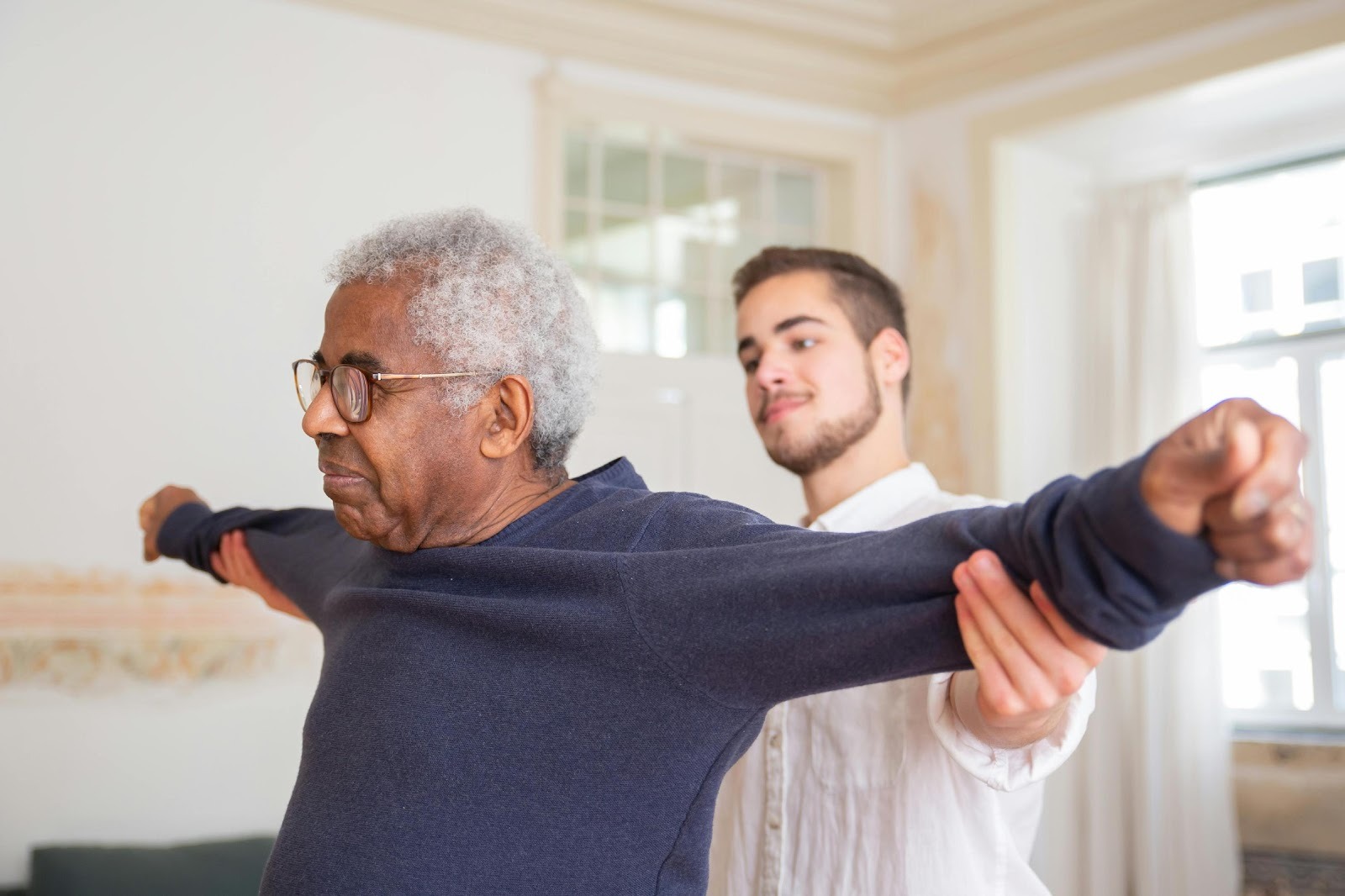
An active lifestyle benefits people at every stage of life, but it becomes even more meaningful as individuals grow older. Staying active supports physical strength, emotional balance, cognitive function, and overall well being. For aging adults, movement provides a sense of independence and confidence that enhances daily living. Encouraging active lifestyles requires both motivation and accessible opportunities, especially for individuals who may face mobility limitations or changes in routine. Understanding the many ways to promote daily activity can help families, caregivers, and communities create environments that support long term vitality and joy.
Making Movement a Natural Part of the Day
Staying active does not always require strenuous exercise. Small, consistent movements throughout the day create meaningful benefits. Activities such as stretching in the morning, taking short walks, or participating in light chair exercises help older adults stay flexible and mobile. These simple habits keep joints comfortable and muscles engaged, making daily tasks easier and more enjoyable.
Communities like Discovery Village Twin Creeks encourage natural movement by offering accessible walking areas, supportive fitness programs, and comfortable spaces for residents to move at their own pace. Consistency is key. When movement becomes a regular part of the day, individuals experience improved energy, reduced discomfort, and a greater sense of independence.
Supporting Physical Wellness Through Enjoyable Activities
Physical wellness improves when older adults participate in activities they genuinely enjoy. Exercise does not need to feel like a chore. For many individuals, dancing, gardening, swimming, yoga, or stretching bring joy while supporting mobility and strength. Enjoyable activities also increase motivation and consistency, making it easier for individuals to maintain an active lifestyle.
Group exercise classes offer additional encouragement. When older adults join wellness activities with friends, the social aspect creates a sense of camaraderie that makes participation more fulfilling. Shared laughter, friendly encouragement, and group accountability strengthen both physical and emotional wellness.
Encouraging Social Engagement to Support Activity
Social engagement is closely tied to physical activity. When older adults spend time with others, they naturally move more. Conversations, group events, and shared experiences encourage walking, participating in games, or joining fitness activities.
Inviting older adults to take part in group outings or community events increases their opportunities for movement. Walking with friends, attending a scheduled class, or joining an outdoor activity provides both physical and emotional benefits.
Encouraging older adults to connect socially helps them stay active without feeling overwhelmed. Supportive communities foster environments where social connection and movement go hand in hand.
Providing Accessible and Safe Activity Options
Accessibility is essential for maintaining an active lifestyle. Safe spaces with good lighting, secure flooring, and clear pathways give older adults the confidence to move freely. Outdoor areas with benches, shaded walking paths, and smooth surfaces encourage daily walks.
Adaptive equipment also helps individuals stay active comfortably. Lightweight resistance bands, stability balls, hand weights, and mobility supports make physical activity more accessible. These tools allow older adults to participate in exercises tailored to their abilities and comfort levels.
Supporting Emotional Wellness Through Active Living
Emotional health plays a major role in staying active. When older adults feel motivated, supported, and optimistic, they are more likely to engage in daily activity. Active living promotes emotional balance by reducing stress, boosting endorphins, and encouraging positive thinking.
Participating in activities that bring joy helps older adults maintain a sense of purpose. Whether it is a morning walk, a hobby, a fitness class, or a meaningful routine, active engagement enhances mood and overall emotional well being.
Encouraging Cognitive Engagement Through Activity
Staying active benefits the mind as much as the body. Physical movement increases blood flow to the brain, supporting better memory, focus, and cognitive clarity. Activities that combine movement and mental stimulation provide even greater benefits. Examples include dancing, guided exercise, or games that require strategy and coordination.
Cognitive engagement helps older adults stay mentally sharp and encourages curiosity. Even simple activities such as walking in nature or participating in a group discussion contribute to long term cognitive wellness.
Conclusion
Encouraging active lifestyles at any age requires a thoughtful blend of motivation, accessibility, and supportive environments. Daily movement, enjoyable activities, social engagement, and consistent routines all contribute to long term physical, emotional, and cognitive wellness. Communities dedicated to healthy aging empower older adults to stay active, independent, and confident. With the right support and opportunities, individuals can embrace each day with strength, vitality, and joy.
