



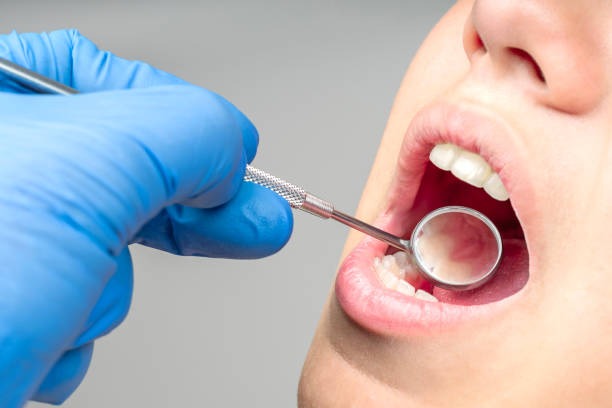
You might not think about your teeth until they hurt. By then, the problem can be hard to fix. Regular checkups in preventive dentistry protect you before pain starts. They help you keep your natural teeth, avoid infections, and lower the risk of sudden dental emergencies. During these visits, your dentist checks for early signs of decay, gum problems, and even oral cancer. Early problems are usually small. They are easier to treat and cost less. You also get cleanings that remove plaque and tartar that brushing and flossing leave behind. That means fresher breath and a stronger smile. If you see a dentist in Fort Atkinson, WI for routine visits, you gain three things. You gain control. You gain peace of mind. You gain a simple plan to protect your health. The four benefits below show why regular checkups are worth your time.
1. Catch small problems before they explode
Tooth decay and gum disease start quiet. You often cannot see or feel them at first. Regular checkups break that pattern. Your dentist looks for small soft spots, tiny chips, and early gum changes. These are warning signs. When you treat them early, care is simple and fast.
The Centers for Disease Control and Prevention explains that untreated cavities can lead to pain, infection, and trouble eating and speaking.
Checkups usually include three steps.
- A visual exam of teeth, gums, and tongue
- X rays when needed to see between teeth and under fillings
This routine finds trouble early. A small cavity might need a simple filling. A deep untreated cavity might need a root canal or removal. Early care saves your tooth, your money, and your time.
2. Lower your risk of gum disease and tooth loss
Gum disease is common. It often starts with redness and bleeding when you brush. Many people ignore these signs. That choice can lead to loose teeth and tooth loss.
Regular checkups and cleanings stop that slide. Your dentist and hygienist remove plaque and hardened tartar from spots your toothbrush cannot reach. They also measure your gums and watch for changes from visit to visit.
The National Institute of Dental and Craniofacial Research explains that gum disease is a main cause of tooth loss in adults.
With steady care you can usually keep your teeth. You also protect your ability to chew, speak, and smile without worry. That protects your daily life and your relationships.
3. Save money and time over the long run
Many people delay checkups because they fear the cost. The truth is different. Routine visits often cost less than treatment for emergencies. They also cut the number of long visits you need later.
The table below shows a simple comparison. Costs are examples. They show how early care often means lower costs and less chair time.
| Type of dental visit | Typical purpose | Estimated time in chair | Relative cost level |
|---|---|---|---|
| Routine checkup and cleaning | Prevent problems and remove plaque | 30 to 60 minutes | Low |
| Small cavity filling | Fix early tooth decay | 30 to 45 minutes | Low to medium |
| Root canal and crown | Save a badly damaged tooth | 1 to 2 visits of 60 to 90 minutes | High |
| Tooth removal and replacement | Remove tooth and replace with bridge or implant | Several visits over months | Very high |
First you invest in two checkups each year. Next you avoid sudden pain that forces you to miss work or school. Finally you reduce the chance of large, urgent bills that hit without warning.
4. Protect your total health, not just your teeth
Your mouth connects to the rest of your body. Infections in your gums can affect blood sugar and strain your heart. So regular dental care supports your total health.
During a checkup, your dentist looks for signs of
- Oral cancer
- Grinding or clenching that strains your jaw
- Dry mouth from medicines
- Infections that may spread
These checks matter for every age group. Children need help as their teeth come in and as they learn to brush. Teens face sports injuries and sugar from drinks. Adults juggle stress, smoking, or health conditions. Older adults manage medicines and past dental work. Regular visits give each group a clear plan.
How to make the most of your checkups
You can turn a routine visit into a strong health habit. Use a simple rule of three.
- Prepare. Write down pain, questions, and all medicines you take.
- Ask. Request clear steps for brushing, flossing, and diet at home.
- Plan. Schedule your next visit before you leave the office.
You deserve a mouth free from constant worry. Regular checkups in preventive dentistry give you early answers, steady protection, and a clear path for your family. When you keep these visits, you protect your smile, your budget, and your health at the same time.
