



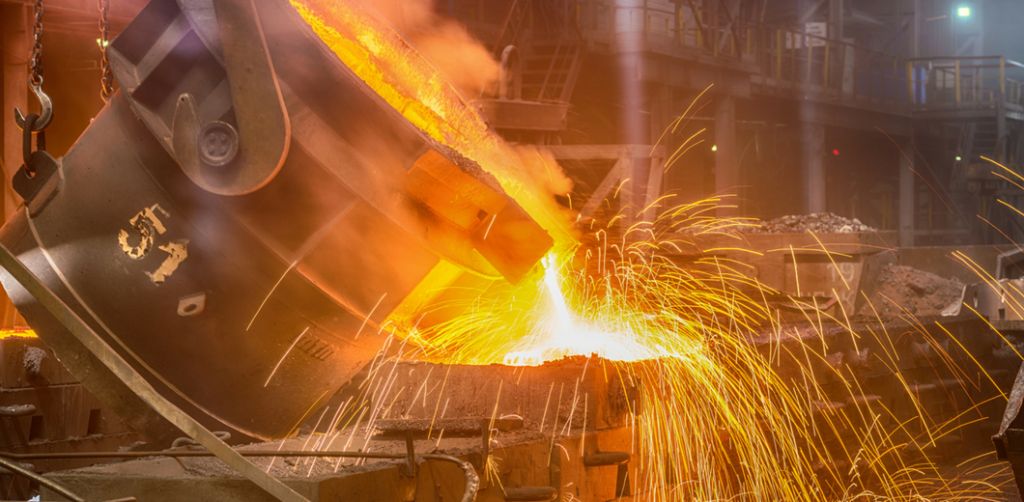
The marine industry is rapidly evolving, and with it, advancements in foundry technology are playing a crucial role. One pivotal player in this sector is www.fccastingsolutions.com, which is instrumental in setting new benchmarks. As the demand for efficient, durable, and environmentally friendly solutions grows, marine foundries are leveraging new technologies and methodologies to meet the industry’s needs.
Advancements in Materials
Innovations in materials are transforming marine foundry technology. Advances in metallurgical processes have enabled the development of alloys that offer superior strength and resistance to corrosion. These new materials extend the lifespan of marine components and reduce maintenance costs, making them highly valuable for marine applications
Additive Manufacturing
Additive manufacturing, often referred to as 3D printing, is revolutionising the way marine components are manufactured. This technology allows for the creation of complex geometries that were previously impossible or too costly using traditional methods. Foundries are now able to offer engineered casting solutions for coastal projects that are both innovative and cost-effective.
Simulation and Modelling
Modern simulation and modelling software have become indispensable tools in marine foundry technology. These tools allow engineers to design and test components in a virtual environment before they are physically manufactured. This results in optimised designs and reduces the time and cost associated with prototyping and testing in the real world.
Environmental Sustainability
With increasing attention on environmental impact, marine foundries are adopting greener practices. From reducing emissions during the casting process to recycling materials and minimising waste, sustainability is now a key focus. These practices not only benefit the environment but also align with global regulations and enhance the reputation of foundries in the market.
Automation and Robotics
Automation and robotics are becoming more prevalent in the marine foundry industry. These technologies increase efficiency and precision in manufacturing processes. Automated systems reduce human error, lower labour costs, and improve safety, thereby providing numerous benefits for the foundry that provides custom marine castings.
Quality Control
Ensuring the highest quality of marine components is vital. Advanced quality control methods, including non-destructive testing and real-time monitoring, are being integrated into the production process. These methods help in early detection of faults and ensure that the final products meet the rigorous standards required for marine applications.
Customisation and Flexibility
In today’s market, there is a growing demand for customisation. Marine foundries are now equipped to offer bespoke solutions that cater to specific project needs. This has been facilitated by advancements in technology that allow for increased flexibility and precision in manufacturing processes.
Collaboration and Partnerships
The complexity of marine projects often necessitates collaboration between different stakeholders. Foundries are forming strategic partnerships with material scientists, engineers, and marine experts to develop innovative solutions. This collaborative approach enhances the development process and ensures the delivery of high-quality products.
Cost Efficiency
By adopting new technologies and processes, marine foundries are able to reduce production costs while maintaining high standards of quality. This cost efficiency is passed on to clients, making advanced marine components more accessible.
Regulatory Compliance
Adhering to international regulations is essential for any marine foundry. Emerging technologies assist in ensuring compliance with these standards, allowing foundries to operate globally without compromising on quality or safety.
Research and Development
Continuous research and development is at the heart of innovation in marine foundry technology. Investing in R&D allows foundries to stay at the forefront of technological advancements, anticipate industry trends, and address emerging challenges effectively.
Emerging Economic Markets
The emergence of new economic markets around the world presents opportunities for foundries to expand their reach. By adopting cutting-edge technologies, foundries can tap into these markets and offer competitive solutions tailored to local requirements.
Future Outlook
As technology continues to evolve, the future of marine foundry technology looks promising. With a focus on sustainability, efficiency, and customisation, the industry is well-positioned to meet the needs of modern marine projects. Leveraging these advancements will be key in addressing future challenges and capitalising on new opportunities.
In conclusion, marine foundry technology is progressing at a rapid pace, driven by innovations that enhance performance and sustainability. Companies like FC Casting Solutions are at the forefront, offering advanced solutions that cater to the intricate needs of the marine industry. By embracing these emerging trends, foundries can ensure their continued relevance and success in a competitive market.
