



Key Takeaways
- Efficient feed mills reduce costs, ensure consistent feed quality, and support global food production.
- Investing in modern, automated equipment and maintaining it proactively maximizes productivity and uptime.
- Streamlined plant layouts and optimized workflows minimize bottlenecks and improve operational efficiency.
- High-quality raw materials, proper handling, and real-time monitoring maintain product consistency and reduce waste.
- Energy-efficient systems and careful tracking of consumption lower costs and support sustainability.
- Skilled staff, ongoing training, and a strong safety culture are essential for reliable and safe operations.
- Data-driven monitoring and continuous improvement initiatives help mills adapt, optimize performance, and sustain long-term success.
Overview: Why Feed Mill Efficiency Matters
In today’s rapidly evolving agriculture sector, the efficiency of feed mills directly impacts animal nutrition, farm profitability, and food production on a global scale. Feed manufacturing facilities operate at the intersection of science and industry, where precision, operational excellence, and reliable sourcing are all crucial for producing quality animal feed. Efficiently run feed mills don’t just reduce costs—they help guarantee consistent product quality for livestock producers and contribute to meeting the world’s growing food demands.
Recognizing the significance of reliability and sourcing top-notch mill equipment, feed producers increasingly partner with trusted suppliers. Cruco Mill & Industrial Supply feed mill suppliers offer expertise and resources that can significantly improve the productivity and performance of your operation, from equipment selection to ongoing maintenance, setting the stage for long-term success.
Equipment Selection and Upkeep
Evaluating Advanced Machinery and Automation
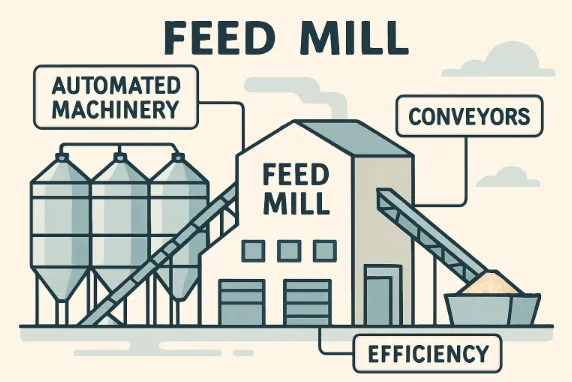
The backbone of any efficient feed mill is its selection of modern, automated machinery. Advanced mixing systems, grinding technologies, and pelleting machines drive consistency and maximize throughput. When choosing equipment, prioritize flexibility, automation capabilities, and ease of integration with existing systems. This keeps your plant competitive and responsive to feed formulations or market demand shifts.
Maintenance Best Practices
Regular equipment maintenance ensures uninterrupted operations and extends machinery life. Establish preventive maintenance schedules for all mechanical and electrical systems, and train staff to recognize signs of wear or potential failure. Keeping critical spares on hand and working closely with suppliers streamlines repairs and reduces unplanned downtime.
Proactively Preventing Breakdown
Identify common wear points—mixers, conveyors, and pellet dies—and implement continuous inspections. Advanced condition-monitoring systems can alert you before issues become critical, supporting rapid, preemptive interventions that protect your equipment and investment.
Optimizing Workflow and Plant Layout
Design for Efficiency
Streamlining workflow starts with plant layout. Efficient mills feature clear, logical paths for raw materials, minimal manual handling, and strategically located workstations. Automated routing and smart layouts drastically reduce transport time and the risk of cross-contamination, empowering staff to focus on critical value-add processes.
Reducing Bottlenecks and Downtime
Use data-driven analysis to pinpoint bottlenecks. Flexible scheduling, multi-functional machinery, and real-time production tracking enable quick adaptation to shifting loads and maintenance needs. Implementing these improvements has produced outstanding results, such as drastic reductions in batch cycle times and significant gains in overall output.
Case Example: Smart Plant Layout
Leading feed producers have showcased up to 15% increases in overall production efficiency through redesigned floor layouts and automated material flows, as detailed in industry reports from Feed Strategy.
Raw Material Management
Quality Sourcing and Handling
Consistent feed quality begins with high-grade ingredients. Integrated quality assurance programs and relationships with reliable suppliers reduce risk and improve end-product consistency. Invest in robust storage and handling systems to protect raw materials from spoilage, theft, or contamination.
Minimizing Inventory Loss
Adopt smart inventory management tools that track inputs in real-time and trigger alerts for overstock, understock, or expiring materials. These tactics ensure that feed formulations are always made from fresh, on-spec ingredients, minimizing waste and controlling costs.
Technology for Better Quality Control
Near-infrared (NIR) sensors and automated sampling stations allow for real-time analysis, helping mills identify quality deviations and quickly adjust processes. Embracing such technologies delivers peace of mind and supplies a reliable, traceable ingredient pipeline.
Energy Use and Cost Savings
Understanding the Impact of Energy Costs
Energy represents one of the largest operating expenses for feed manufacturers. Investing in energy-efficient motors, optimized heating systems, and advanced controls directly enhances profitability.
Innovations in Energy Efficiency
Consider integrating variable-frequency drives (VFDs) to adjust motor speeds according to demand and upgrading to modern, high-efficiency boilers. Implementing heat recovery systems can also drastically cut energy use while reducing greenhouse gas emissions, supporting sustainability goals.
Monitoring and Reducing Your Plant’s Footprint
Install energy-monitoring tools to gain real-time insight into usage patterns and locate inefficiencies. Set and review targets quarterly, and provide staff with actionable feedback to develop a culture of continuous energy management, as recommended by reports seen in this energy efficiency guide from the U.S. Department of Energy.
Workforce Training and Safety
Customized Training for Operators
Skilled, knowledgeable staff are central to efficient and safe mill operations. Design ongoing training programs that cover equipment, problem-solving, and process optimization, while remaining flexible to address emerging technologies and safety standards.
Culture of Safety and Accountability
Encourage a workplace culture where every team member is invested in operational safety. Clear protocols, visible signage, and regular safety briefings foster accountability and reduce the risk of accidents. Transparent reporting and rapid response to near-miss incidents keep your plant running smoothly and protect your employees.
Proven Safety Initiatives
Successful feed mills often implement incentive programs and employee-led safety audits. This guide to boosting feed mill safety provides concrete examples of effective safety improvements.
Monitoring, Data, and Ongoing Improvements
Embracing Digital Monitoring
Digital monitoring systems enable management to track key real-time performance indicators (KPIs), from ingredient usage to batch consistency and energy consumption. Cloud-based dashboards simplify remote access, benchmarking, and data-driven troubleshooting.
Decision-Making Through Data
Harness data analytics to review production history, spot trends, and inform process adjustments. Regular analysis supports smarter decisions, faster issue resolution, and better resource allocation throughout the plant.
Continuous Improvement in Action
Many operations have demonstrated major productivity gains by establishing feedback loops and employee-driven process improvement teams.
Building Long-Term Efficiency in Feed Milling
Achieving optimal feed mill efficiency hinges on a holistic approach: smart equipment investments, rigorous maintenance, excellent plant layout, robust raw material management, careful attention to energy use, and a culture centered on staff development and safety. These elements work together to drive higher output, better product quality, and sustainable profit margins.
Ultimately, feed mills that regularly evaluate, upgrade, and adapt their processes will achieve operational excellence and future-proof their place in the global agricultural supply chain.
