



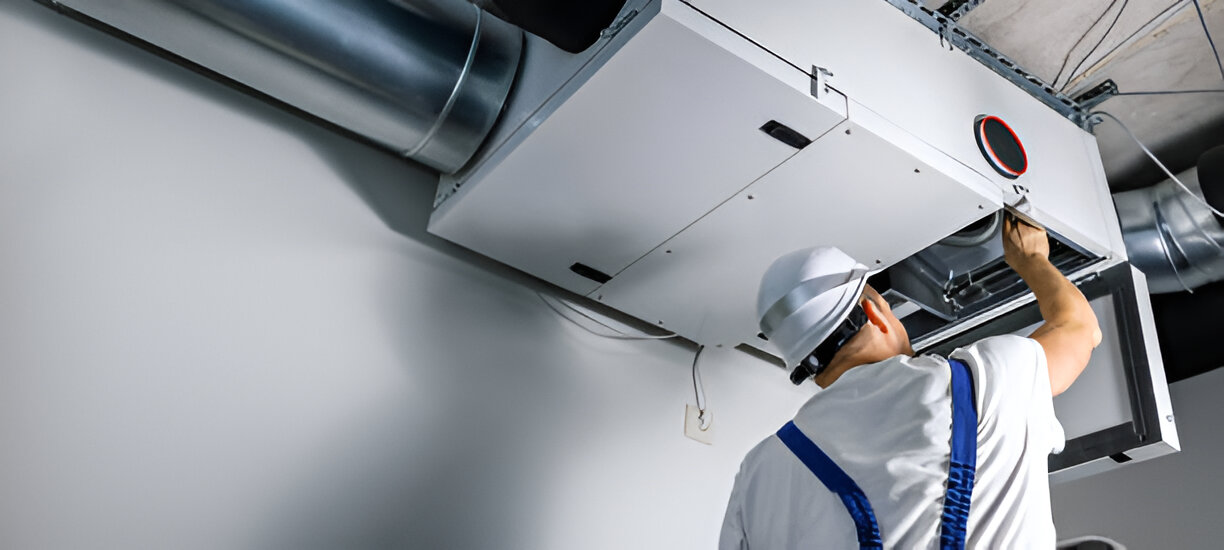
Installing a new, efficient HVAC system can enhance your home’s indoor comfort by filtering air pollutants and regulating temperatures and humidity. Before installation, prepare your home to promote safety, streamline the process, and prevent accidental property damage. Here are a few steps to help you prepare your home for HVAC installation:
Clear Installation Zones
Clearing any obstacles in the installation area enables the HVAC team to access the space more easily. A clear HVAC installation zone also promotes safety by minimizing the risk of trips, fall hazards, and accidents. When the installation area is clear and open, an HVAC technician can accurately place your unit in its optimal location for long-term efficiency and performance. If you plan to install an outdoor HVAC system, clear away various debris, such as branches, shrubs, or leaves. Removing these types of debris will help provide the proper flow of air to your unit.
You can also remove personal items or furniture, such as tables and chairs, to create ample space for the unit’s installation on the patio or deck. Clean the installation area by sweeping, vacuuming, or wiping up dust. This may help reduce indoor air pollutants that can clog your unit’s air filter or accumulate on the coils, restricting airflow and reducing efficiency.
Shut Off Utilities
Turning off the electricity where you intend to install your HVAC unit can help protect the contractor from electrical shock. By shutting off the natural gas, you minimize the risk of leaks from the supply line if it becomes damaged or accidentally disconnected during HVAC installation. Shutting off these utilities promotes the longevity of an HVAC unit. It does this by preventing premature damage to components, such as controller boards and compressors. Clearly mark the gas lines, electrical wiring, and plumbing near your unit’s installation zone to prevent accidental damage.
Prepare for Ductwork
If your HVAC system installation includes ductwork, preparing your home will help promote better airflow and energy consumption. Planning for ductwork enables an HVAC contractor to easily access spaces like the basement, utility room, and attic during installation. Working with the installer to prepare for ductwork enables them to identify the optimal duct routes that minimize heat loss and promote even airflow. When adding ductwork to your space, the technician will verify that it does not interfere with structural supports for walls and ceilings.
Plan for Downtime
Planning for downtime helps mitigate potential inconveniences, especially when the installation requires turning off electricity or limiting access to certain rooms. It also creates more time for the installer in case they encounter challenges, such as structural or wiring issues, which can cause delays. A reputable technician will inspect your home’s electrical work and structural integrity before the installation begins. Assessing structures also helps you plan for hidden barriers, such as outdated ductwork, which can disrupt the installation of your unit.
Hire Expert HVAC Installation Services Today
Preparing your home for the installation of an HVAC unit promotes safety and provides an efficient and accurate process. Collaborating with a professional HVAC contractor can help you benefit from their expertise and simplify complex installations. Call a professional HVAC contractor today for fast and accurate installation, repair, or replacement of your unit.
