



Table of Contents
- The Importance of Basement Waterproofing
- Common Signs of Basement Leaks
- Benefits of Professional Waterproofing Services
- Maintenance Tips for a Dry Basement
- DIY Waterproofing Solutions
- Choosing the Right Professional Waterproofing Contractor
- Frequently Asked Questions About Basement Maintenance
- Conclusion: The Path to a Dry and Healthy Basement
Effective basement waterproofing starts with identifying sources of moisture, such as cracks, poor drainage, or high humidity. Key solutions include sealing foundation cracks, installing sump pumps, and maintaining gutters and downspouts. Interior options like vapor barriers and dehumidifiers enhance protection. Regular inspections and timely repairs help prevent mold, structural damage, and costly issues. Choosing the right materials and professional help ensures long-term results. A proactive maintenance routine keeps the basement dry, safe, and ready for any future renovation or use.
To further strengthen moisture control and prevent long-term damage, many homeowners turn to proven and practical interior waterproofing methods. These approaches—such as installing drainage channels along basement walls, applying waterproof sealants, and integrating sump pump systems—offer a reliable way to manage water from the inside.
The Importance of Basement Waterproofing
Basement waterproofing is an essential safeguard for every homeowner, often overlooked until water has made its unwelcome entrance. The basement is particularly susceptible to water damage due to its subterranean nature. Many homeowners don’t realize that even a tiny, persistent leak can lead to significant problems. A consistently damp basement is a breeding ground for mold, mildew, and the accompanying musty odors that can compromise indoor air quality. Homeowners can proactively defend their properties from water-related damage by employing trusted professionals such as Ayers Basement Systems, thereby maintaining structural integrity and safety. The experts at the Family Handyman underscore the significance of immediate and effective interventions to prevent what could otherwise be expensive repairs.
Common Signs of Basement Leaks
The first step in managing basement waterproofing is the early detection of leaks. Before a leak becomes a flood, there are several signs homeowners should watch for. Damp spots on walls, lingering musty odors, and visible mold growth are often the earliest indicators. Over time, you might notice peeling paint, wallpaper, or even puddles of water after heavy rainfalls. These signs suggest that water, soil, or moisture is breaching your basement’s defenses, and early detection is crucial. Being attentive to these warning signals can make a significant difference in addressing problems before they escalate.
Benefits of Professional Waterproofing Services
Despite the temptation to tackle basement waterproofing as a DIY project, professional services offer several advantages that homeowners can’t ignore. Professionals can access specialized tools and materials not typically available in your local hardware store. According to This Old House, these experts use robust and non-invasive solutions tailored to fit the unique needs of your home’s basement. Beyond immediate repairs, they provide long-term solutions that enhance your home’s overall market value. Expert waterproofers can identify less apparent sources of water infiltration and devise plans to keep basements dry under a wide range of environmental conditions.
Maintenance Tips for a Dry Basement
Preventive maintenance is just as essential as waterproofing. By incorporating a few simple practices into your regular home upkeep, your basement can stay dry and healthy. Start with the basics: ensure all drainage systems around your home function correctly and efficiently channel water away. Check frequently for visible cracks or leaks, as neglecting these seemingly minor issues can lead to significant water damage over time. Furthermore, regularly cleaning your rain gutters and downspouts is essential to prevent blockages that could direct water toward your foundation. In areas with high water tables or frequent rainstorms, installing a sump pump can offer added peace of mind. A dehumidifier is another excellent investment for maintaining ideal indoor humidity levels and discouraging the growth of mold and mildew.
DIY Waterproofing Solutions
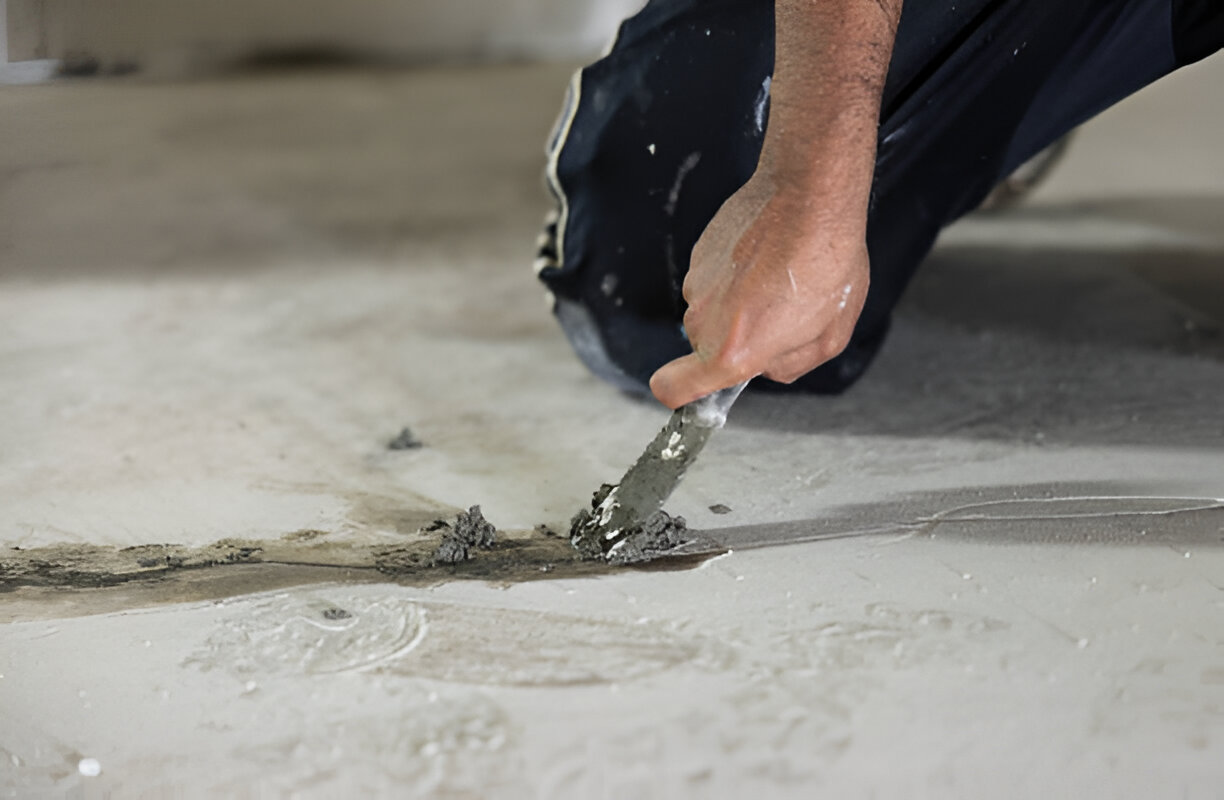
Practical DIY waterproofing solutions are available for those inclined to take matters into their own hands. These methods might be cost-effective and provide temporary relief, but they often complement professional waterproofing rather than replace it. Start sealing any visible cracks using epoxy or polyurethane injections—a relatively straightforward solution for small fissures. Applying waterproof paints and membranes to walls is a moisture barrier, though these should not be your only line of defense. Proper grading around your home’s foundation can prevent water pooling near the basement walls. While these actions can help with minor problems, professional services are still essential for complete basement protection.
Choosing the Right Professional Waterproofing Contractor
Hiring a waterproofing contractor can be daunting, with many options available. To ensure you select the right professional, verify their credentials and seek client reviews and testimonials. References can provide insight into the contractor’s service quality and reliability. A trustworthy contractor will give homeowners a thorough explanation of the issue and a range of options for fixing it, enabling them to make well-informed judgments. Finding a contractor that uses high-quality materials and the latest techniques is crucial to ensure lasting protection for your basement.
Frequently Asked Questions About Basement Maintenance
For most homeowners, questions about basement maintenance arise frequently. Common queries include the expected costs of waterproofing, which vary depending on the scope of work and the contractor. Others might wonder about handling persistent moisture issues requiring professional attention or improved home ventilation. Many homeowners also ask about the lifespan of waterproofing products, ranging from five years for certain sealants to up to fifteen years or more for professional-grade systems. Understanding these elements helps in planning and budgeting for home maintenance.
Conclusion: The Path to a Dry and Healthy Basement
Proper care and maintenance of your basement go beyond just keeping it dry; they involve a proactive approach to protecting your home’s foundation, improving its air quality, and enhancing its overall value. Investing in preventive and professional measures and staying vigilant to the subtle signs of water trouble can ensure a dry, cozy environment and a more secure home. A strategic combination of DIY initiatives and expert services like those from Ayers Basement Systems offers the best protection for your basement against the challenges posed by nature.
