



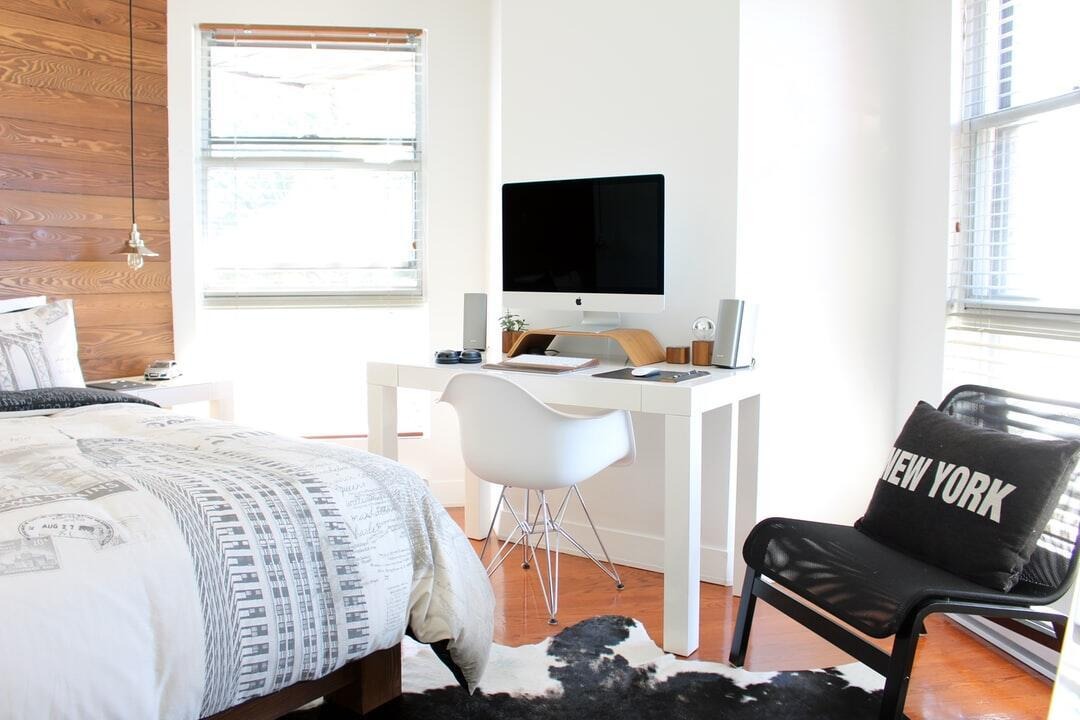
Urban living spaces are more than just places to live-they reflect identity, culture, and function. From architecture to interior design, every detail shapes comfort, creativity, and lifestyle.
As cities evolve, homes integrate cultural influences, sustainability, and modern technology. Whether embracing minimalism, adding personal touches, or fostering community, design plays a key role in urban life.
Explore how these elements shape city living and discover ways to make your space truly your own.
Cultural Influences on Urban Living Spaces
Culture plays a big role in shaping homes. Many urban areas have buildings inspired by history and tradition. Interior designs often reflect the cultural backgrounds of the people living there.
Some homes have elements from different regions or countries. Others blend old and new styles to create something unique.
These influences make urban homes more personal. The mix of cultures brings creativity into city living spaces.
Minimalism and Functionality in City Homes
Many people in cities prefer simple and functional spaces. Small apartments need smart design to make the most of the space. Minimalist designs help create open and airy rooms.
Furniture often serves more than one purpose. Clean lines and neutral colors make spaces feel calm. Storage solutions keep clutter out of sight. This design approach makes urban homes feel comfortable and organized.
Personal Expression in Urban Interiors
People use design to show their personality in their homes. Some choose bold colors, unique furniture, or artistic decorations. Others prefer natural materials and soft tones.
Personal touches make a space feel like home. Even in small apartments, creativity can shine. The design choices reflect the identity of the people living there. Every detail tells a story about their lifestyle.
Green Spaces in Urban Living
Nature plays an important role in city homes. Many people add plants to bring life into their space. Green roofs and indoor gardens are popular in urban areas. Natural light and fresh air improve well-being.
Some buildings have shared gardens for residents. These green features help connect people to nature. Even small balconies can become peaceful retreats. Nature adds balance to modern city life.
Community and Shared Spaces in Urban Living
Urban homes are often part of a larger community. Many apartment buildings offer shared spaces for socializing. Rooftop lounges, co-working areas, and fitness centers bring people together.
Shared gardens and common rooms help build friendships. The Galvin in Tampa, FL, is an example of a living space with modern shared amenities. These areas create a sense of belonging in busy cities. A strong community can make urban life more fulfilling.
Future Trends in Urban Living Spaces
Urban homes are always changing with new trends. Smart technology is becoming a big part of city living. More buildings now focus on sustainability and energy efficiency.
Flexible spaces adapt to different needs throughout the day. Compact designs make small homes more practical. People look for homes that match their values and lifestyle.
Future designs will keep improving comfort and convenience. Cities will continue to shape how people live and express themselves.
Understand the Intersection of Design and Identity in Urban Living Spaces
Design and identity are closely linked in urban living spaces. The way people decorate and arrange their homes reflects who they are. Cultural influences, personal style, and modern trends all shape city homes.
Shared spaces help bring people together. Green elements and smart designs improve urban living. The future of city homes will keep evolving with new ideas. A well-designed space makes urban life more enjoyable.
To read more, you can visit our blog page. We do have more!
