



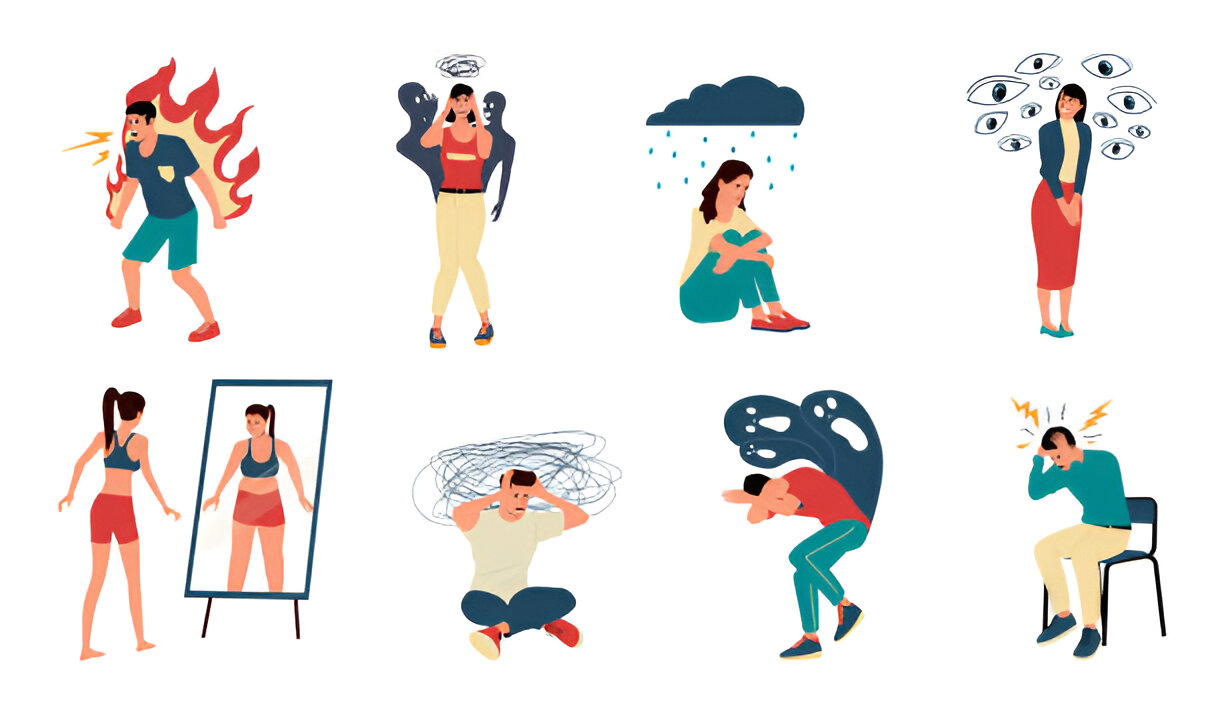
Anxiety and addiction often walk hand in hand, creating a complex and challenging situation for many. Studies show that nearly 50% of individuals with substance use disorder also experience anxiety disorders. Understanding how these two issues interact is vital for effective treatment and recovery.
Anxiety manifests as intense feelings of worry or fear, which can hinder daily functioning. On the other hand, addiction refers to the compulsive use of substances despite harmful consequences. Both can profoundly affect a person’s life, leading to emotional pain and suffering. Their relationship is often bidirectional, meaning anxiety can lead to addiction and vice versa. Recognizing this connection is essential for addressing both issues together.
Understanding Anxiety
Types of Anxiety Disorders
Anxiety disorders come in many forms, each with distinct symptoms:
- Generalized Anxiety Disorder (GAD): Excessive worry about everyday matters, often accompanied by physical symptoms like fatigue and irritability.
- Social Anxiety Disorder: Intense fear of social situations that may lead to embarrassment or judgment.
- Post-Traumatic Stress Disorder (PTSD): Develops after a traumatic event, causing flashbacks, avoidance of reminders, and heightened reactions.
These disorders can dramatically impact one’s relationships and quality of life.
The Neurobiology of Anxiety
Anxiety stems from complex brain chemistry. Neurotransmitters like serotonin and dopamine play key roles in regulating mood. When these chemicals are out of balance, anxiety can take control. Understanding these pathways is crucial for recognizing how anxiety can drive individuals to substances.
Anxiety and Self-Medication
Many individuals with anxiety turn to substances as a way to cope. This self-medication often provides temporary relief, leading to a dangerous cycle of dependence. While substances may dull anxiety symptoms, they ultimately worsen the problem.
The Role of Addiction
Types of Addictive Substances
Common substances abused include:
- Alcohol: Often used to reduce social anxiety but can lead to dependency.
- Opioids: Painkillers that can provide temporary comfort but are highly addictive.
- Stimulants: Drugs like cocaine can initially boost mood but eventually lead to heightened anxiety.
Each substance can trigger changes in mental health, making the need for effective treatment urgent. Drug rehab in San Clemente provides the best detox, residential, and outpatient treatment.
The Neurobiology of Addiction
Addiction hijacks the brain’s reward system, flooding it with dopamine. This reaction reinforces behavior, creating a cycle of craving and use. When addicted, individuals often find it hard to break free, particularly when anxiety resurfaces.
Addiction and Worsened Anxiety
Addiction can also exacerbate anxiety. Substance use might provide temporary relief but can lead to increased anxiety during withdrawal periods. This creates an ongoing loop where one issue intensifies the other.
The Cyclical Relationship: Anxiety Fueling Addiction, Addiction Fueling Anxiety
The Self-Medication Hypothesis
Many people believe that using substances can help ease their anxiety. This hypothesis suggests that individuals may self-medicate to avoid distressing feelings. However, this often leads to deeper issues, trapping them in a harmful cycle.
The Withdrawal-Anxiety Connection
Withdrawal from addictive substances often triggers anxiety symptoms. The body, now dependent on the substance, reacts strongly when it’s removed, intensifying feelings of worry and fear. This cycle makes recovery challenging.
The Impact of Chronic Stress
Chronic stress linked to addiction increases anxiety levels. Individuals in recovery may face additional stressors, pushing them to resort back to substance use to manage overwhelming feelings.
Seeking Help: Treatment and Recovery
Integrated Treatment Approaches
Treating both anxiety and addiction simultaneously is essential. Effective approaches include:
- Cognitive Behavioral Therapy (CBT): Helps change negative thought patterns.
- Medication: Certain medications can manage both conditions.
- Support Groups: Sharing experiences can provide comfort and understanding.
Finding the Right Therapist or Treatment Center
It’s vital to look for professionals who specialize in dual diagnosis. This ensures that both anxiety and addiction receive the attention they need.
Importance of Support Systems
Having a strong support network is key in recovery. Family, friends, and support groups can offer motivation and encouragement, making the healing journey more manageable.
Prevention and Management Strategies
Stress Management Techniques
Managing stress can significantly reduce anxiety:
- Mindfulness: Practices like meditation can ground you.
- Exercise: Physical activity releases endorphins, boosting mood.
- Healthy Diet: Nutrition has a direct impact on mental health.
Healthy Coping Mechanisms
Instead of turning to substances, try these alternatives:
- Journaling: Writing down thoughts can help process feelings.
- Hobbies: Engaging in enjoyable activities takes the focus off stress.
- Therapy: Professional guidance can aid in developing coping strategies.
Early Intervention
Recognizing symptoms early can lead to better outcomes. Early intervention for anxiety and addiction is crucial for effective recovery pathways.
Conclusion
The relationship between anxiety and addiction is a complex cycle that can be difficult to escape. Understanding how they interact is vital for finding the right treatment and support. Seeking professional help is essential. Remember, recovery is possible, and there is hope for those struggling with these issues. Taking that first step can lead to a brighter, healthier future.
