



Introduction
Creating a supportive environment for seniors is crucial for their quality of life. This environment requires a balance of physical safety, emotional support, and social engagement. Senior care options help families explore ways to enhance the well-being and security of their elderly loved ones. Understanding the principles behind these environments can significantly improve seniors’ daily experiences. By focusing on their interactions with their surroundings, we can create spaces that foster independence and celebrate their elder years.
Physical Design Considerations
Creating a senior-friendly space starts with a safe physical environment. Design adjustments like wide doorways, non-slip flooring, and handrails help reduce fall risks and enhance mobility, fostering independence. Soft lighting, ergonomic furniture, and calming colors can improve comfort and make the space inviting. Engaging seniors in the design process allows them to personalize their environment, promoting a sense of ownership and well-being.
Enhancing Social Engagement
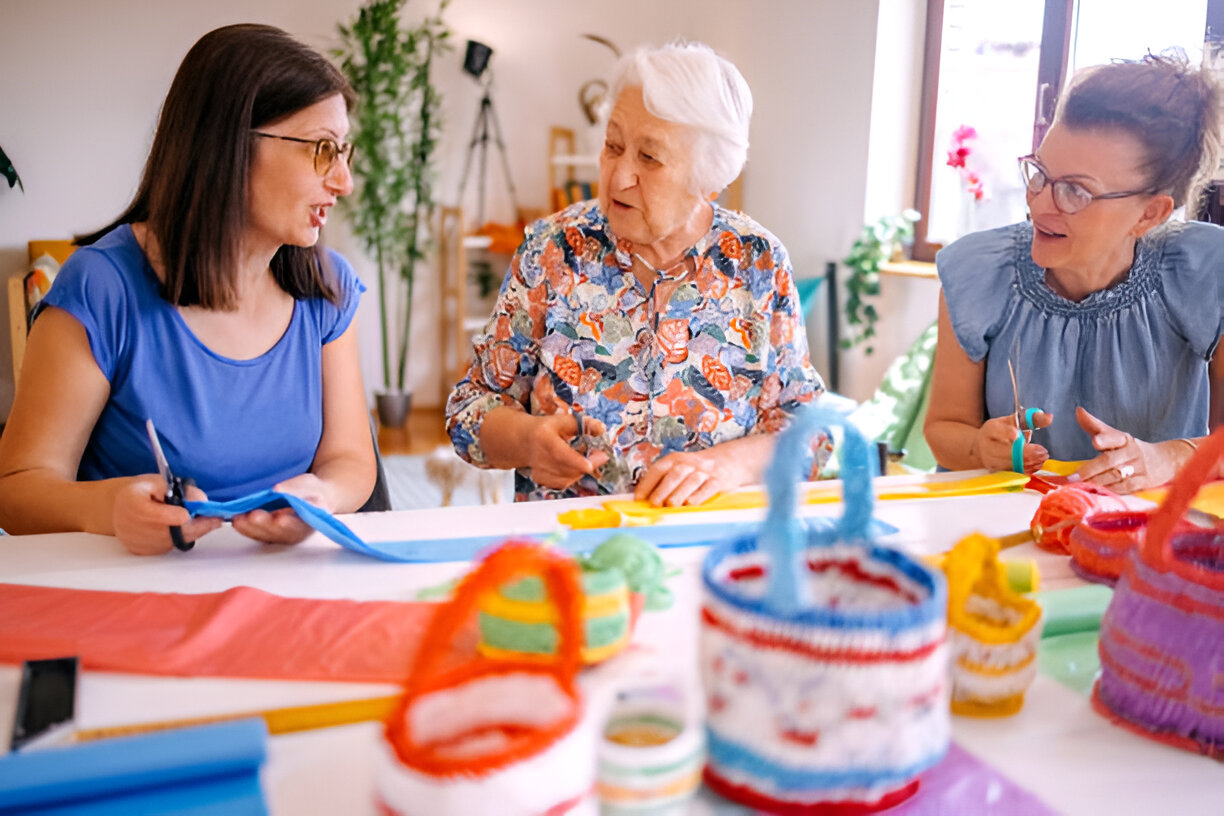
Social interactions are crucial for seniors’ mental health. Activities such as joining clubs, group exercises, or online communities can help reduce loneliness. Participating in hobby-based groups enhances seniors’ connections and enthusiasm.
Research indicates strong social relationships lead to lower stress levels and better emotional health. Regular visits, phone calls, and shared meals foster connections. Access to community resources and senior centers also offers structured opportunities for friendships and social well-being.
Supporting Emotional Well-being
Emotional well-being for seniors involves managing loneliness, anxiety, and depression. Access to mental health resources, favorite pastimes, and intergenerational interaction can be beneficial. Building support networks with family, friends, and professionals fosters a sense of belonging.
Encouraging purpose through volunteer work or new skills enriches their lives. Therapy sessions, support groups, and workshops can help seniors process emotions and build resilience, ensuring they feel heard and valued.
Leveraging Technological Assistance
Technology can help seniors preserve their freedom. User-friendly devices and applications can assist with medication reminders, health check-ins, and staying connected with loved ones. These innovations, from wearable health monitors to smart home systems with voice assistance, enhance physical health, cognitive engagement, and social interaction. Educating seniors on safe and effective technology is essential for maximizing these benefits.
Implementing Safety Measures
Ensuring home safety involves updating security devices like smoke alarms and clear walkways. Proactively addressing risks related to aging helps minimize hazards, providing peace of mind for seniors and their families. Additionally, having a clear action plan for emergencies and easy access to first aid supplies and emergency contacts enhances security. Safety includes both a secure physical environment and preparedness for unexpected situations.
Involving Professional Support
Engaging professional caregivers significantly enhances senior care. They offer essential physical support while also providing emotional and logistical stability. Tailoring care plans to align with seniors’ preferences and health needs fosters a nurturing routine.
Professional support extends beyond direct caregiving, including consultations with geriatric specialists, physiotherapists, and dietitians. Involving these experts enables families to create a flexible, evolving approach to senior care that adapts to changing needs.
The Role of Family in Senior Care
Family involvement is crucial in senior care. Regular interaction and emotional support help alleviate challenges. Engaging in shared decision-making fosters a respectful and empowering care environment. Open communication ensures care aligns with seniors’ wishes, reinforcing their autonomy. Organizing family meetings for seniors to express their concerns builds trust and strengthens relationships, making families reliable partners in the care journey.
Concluding Thoughts
Creating a supportive environment for seniors requires empathy, strategic thinking, and diverse resources. By ensuring physical safety, fostering social connections, and utilizing technology, caregivers and families can significantly enhance the lives of older people. This comprehensive approach promotes enriched senior living experiences.
Ultimately, our environment for seniors should honor their past, accommodate their present, and inspire their future. Empowering them to lead meaningful lives improves their well-being and benefits families and communities that value every stage of life.
