



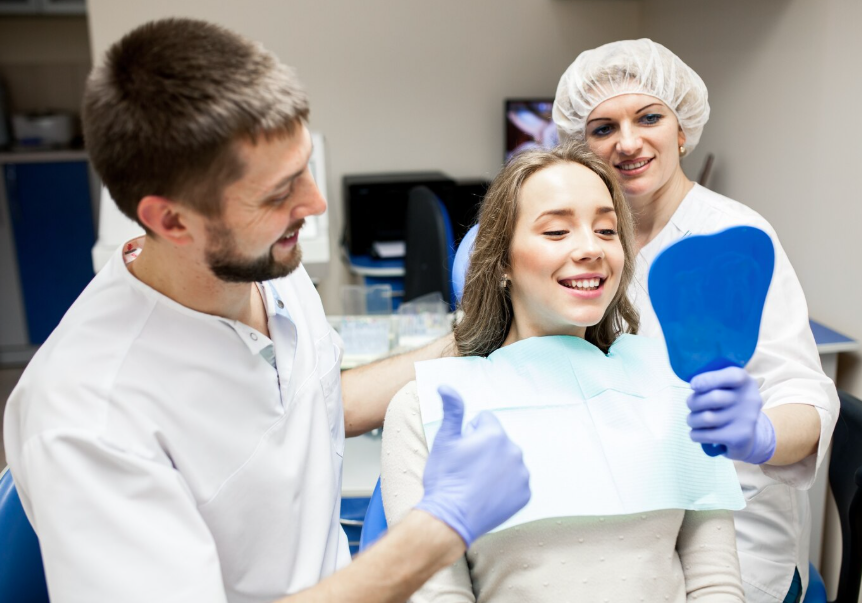
You catch your smile in a photo and notice the chip you have ignored for years. Or your teeth have shifted a little, enough that you cover your mouth when you laugh. Sometimes it is not one big problem. It is a stack of small things, stains that do not lift, an old crown that stands out, a missing tooth that changes how you chew and how you feel in a room. That quiet frustration is one reason why more adults are turning to a cosmetic dentist in North Scottsdale for cosmetic dental services.
For many people, this is not about vanity. It is about feeling comfortable again. It is about replacing a tooth before the space changes your bite, or fixing worn enamel before it affects daily life. Adult dental concerns tend to build slowly, which is why interest in cosmetic dental treatment and restorative care keeps growing. People want options that improve appearance, function, and confidence at the same time.
Adults are seeking cosmetic dentistry because appearance and function are closely linked
The line between cosmetic and restorative care is thinner than most people think. A dental implant can fill a visible gap, but it also helps support chewing and speech. Veneers can improve shape and color, but they may also help with worn or uneven teeth. Teeth whitening is cosmetic, yet for some adults it is the final step after years of catching up on neglected care.
The need is widespread. The CDC reports that oral health is tied to overall health, daily comfort, and quality of life. You can read more in the CDC’s overview of oral health and its role in well-being. When a smile changes, the effect is rarely limited to appearance. People often start eating differently, smiling less, and putting off social or work situations where they feel exposed.
This is also happening as adults keep their natural teeth longer than past generations. That is good news, but it comes with new needs. Teeth that last longer go through more years of grinding, staining, shifting, and old dental work wearing down. A person in their forties, fifties, or sixties may want care that looks natural, feels stable, and fits the life they have now, not the one they had twenty years ago.
Shifting teeth, missing teeth, and worn enamel push many adults toward treatment
Sometimes the change is obvious. A missing tooth draws attention every time you speak. Sometimes it is subtle. Your bite feels off. Food gets stuck where it never used to. You notice crowding at the bottom front teeth even though they were straight years ago. Teeth move over time, and that movement can surprise adults who assumed orthodontic changes would stay put forever.
Harvard Health explains that retainers may help prevent teeth from shifting after orthodontic treatment, and that movement can continue with age. Their guide on preventing shifting teeth helps explain why many adults return to the dentist looking for cosmetic fixes that also restore alignment and balance.
Money is part of the decision too. Cosmetic work can feel easy to postpone because it is often framed as optional. Then a delay turns a small issue into a larger one. A cracked tooth that could have been bonded may later need a crown. A missing tooth can lead to neighboring teeth drifting into the gap. Waiting does not always save money. It can increase the amount of work needed later.
Implant and cosmetic dentist services appeal to adults who want long term results
An implant and cosmetic dentist often treats the overlap between how your smile looks and how it works. That matters to adults who do not want patchwork fixes. They want a plan. If one tooth is missing, an implant may preserve spacing and support the bite. If several concerns show up together, treatment may combine implants, whitening, bonding, or crowns to create a result that looks even and feels natural.
Interest in these services is also shaped by better materials and better expectations. Adults today are less willing to accept dental work that looks obvious. They want restorations that blend in, hold up, and let them stop thinking about their teeth every day.
The CDC’s 2024 surveillance findings show that oral health conditions and unmet dental needs still affect many people across age groups. The report on selected oral health findings adds context to why demand for dental care, including appearance related treatment, remains high.
Comparing common cosmetic dental services helps clarify the next step
| Service | Best For | Main Benefit | Key Consideration |
| Teeth Whitening | Surface stains and dull color | Fast improvement in brightness | Does not fix shape, chips, or missing teeth |
| Bonding | Small chips, gaps, uneven edges | Conservative and often lower cost | May stain or wear sooner than porcelain |
| Veneers | Color, shape, and symmetry issues | Strong cosmetic improvement | Requires planning and may involve enamel changes |
| Dental Crowns | Damaged or weakened teeth | Restores strength and appearance | Used when a tooth needs more coverage |
| Dental Implants | Missing teeth | Replaces tooth root and visible tooth | Healing time and bone support matter |
This is why many adults search for cosmetic dental services instead of one single procedure. The real issue is often layered. You may need whitening for shade, bonding for one chipped tooth, and an implant for a space that has bothered you for years. The right plan matches the actual problem, not just the most advertised fix.
Clear steps make cosmetic dental care feel more manageable
1. Write down what bothers you most. Start with what you notice every day. Color, crowding, a missing tooth, uneven edges, old dental work, pain when chewing. This helps separate the issues that are cosmetic from the ones that may affect function and health.
2. Ask for a treatment plan with options. A good consultation should show you more than one path when possible. Ask what needs attention now, what can wait, and which treatments protect long term oral health as well as appearance. That is often where cosmetic dentistry and restorative care come together.
3. Think in phases if cost feels heavy. Many adults move forward one step at a time. You might start with the tooth that affects chewing, then address whitening or reshaping later. A phased plan can make care feel realistic without losing sight of the final result.
Adults are choosing cosmetic dental care to feel like themselves again
If you have been putting this off, you are not alone. Most adults do not wake up one day and decide to change their smile on impulse. It usually comes after years of adapting, hiding, or telling yourself it is not urgent enough. Then the small annoyances start affecting comfort, confidence, and daily life in ways that are hard to ignore.
Cosmetic and implant care can be practical, not indulgent. It can help you eat more comfortably, speak without self-consciousness, and stop managing around a problem that keeps asking for your attention. When you are ready, schedule a consultation with an implant and cosmetic dentist and get a clear plan for what is possible.
Read more : How General Dentistry Addresses Common Oral Health Concerns
