



You might be feeling a bit stuck right now. Maybe you keep putting off cleanings because life is busy, or you only call a dentist when something hurts. Then the bill comes, the treatment sounds intense, and you wonder if you missed your chance to keep things simple and affordable. Invisalign in Antioch can be a step toward getting back on track with your oral health without feeling overwhelmed.end
It often starts with a small twinge when you drink something cold. You ignore it. Months later, you are talking about a root canal or even losing a tooth. The cost is higher, the stress is heavier, and it all feels like it escalated too fast.
If that sounds familiar, you are not alone. Many people were never really told how much smart, steady prevention can protect both their mouth and their wallet. The truth is that preventive dentistry for long term savings is not a marketing slogan. It is a quiet, practical way to avoid the most painful and expensive dental problems down the road.
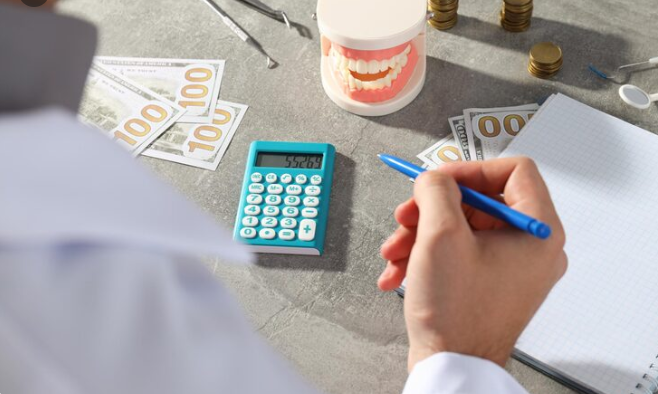
Here is the short version. Regular cleanings, exams, sealants, fluoride, and good daily habits cost far less than fillings, crowns, root canals, and dentures. Strong research shows that every dollar spent on prevention can save several dollars in future treatment. So the question is not “Can I afford preventive care?” as much as “Can I afford to keep skipping it?”
So, where does that leave you today?
Why waiting for pain makes oral care more stressful and expensive
Think about how most dental emergencies begin. A small cavity is painless at first. You do not see it. You do not feel it. Without regular checkups, it quietly grows until it hits the nerve. That is when the sharp, sudden pain shows up and your schedule and budget both get disrupted.
Emotionally, this pattern is draining. You might start to dread the dentist because every visit seems to bring bad news and big bills. Financially, it is even harder. A simple professional cleaning and exam costs a fraction of a root canal or extraction. Yet it is easy to tell yourself you are “saving money” by postponing that routine visit.
Because of this tension, you might wonder if prevention really pays off, or if it is just another recurring expense. The data is clear. The Centers for Disease Control and Prevention reports that preventive dental care has a strong return on investment, with community prevention programs saving multiple dollars in treatment costs for every dollar invested. You can see some of that evidence in their summary on the return on investment of preventive oral health programs.
Now imagine two neighbors with similar teeth today. One sees a family dentist twice a year for cleanings, exams, X rays as needed, and uses fluoride toothpaste at home. The other only calls a dentist when something hurts, and sometimes chooses to “tough it out.”
After five or ten years, the first neighbor has had a few small fillings, perhaps a sealant or two, and mainly routine costs. The second neighbor has faced emergency visits, time off work, bigger procedures like root canals or extractions, and maybe partial dentures or implants. The difference in both stress and total spending can be huge.
How preventive dentistry reduces the cost of long term oral care
To really understand how long term oral care prevention lowers costs, it helps to break it into simple pieces.
First, prevention catches small problems early. Tiny cavities, early gum inflammation, or a cracked filling are all much cheaper to treat when they are found soon. A simple filling costs far less than a crown. Early gum treatment costs far less than advanced periodontal surgery or tooth replacement.
Second, prevention often avoids problems entirely. Sealants on children’s molars, regular fluoride, and professional cleanings can stop decay before it starts. That means no filling now and no crown or root canal on that same tooth years later.
Third, prevention helps control chronic conditions. Gum disease has been linked with diabetes, heart disease, and other health issues. Keeping your mouth healthy can support better overall health, which may reduce medical costs too.
There is solid research to back this up. A review from UCLA found strong evidence that preventive dental care reduces later treatment use and related expenditures. You can read more about that in their work on the effectiveness of preventive dental care in reducing treatment and costs.
Another study published in the National Library of Medicine showed that people who used regular preventive dental services had lower overall dental spending over time. That study on preventive dental visits and long term costs found that consistent prevention can shift spending away from expensive, urgent procedures toward simpler, planned care.
So, how can you translate all of this into decisions that actually help your budget and your health?
What costs more over time, prevention or treatment?
It can help to see the difference between common preventive care and the treatments that often follow when prevention is skipped. Costs vary by location and insurance, but the pattern is similar almost everywhere.
| Type of Care | When It Usually Happens | Typical Short Term Cost | Long Term Impact On Costs |
|---|---|---|---|
| Routine exam & cleaning | Every 6 to 12 months | Low to moderate | Finds problems early. Reduces need for major procedures. |
| Fluoride & sealants | Especially for children and high risk adults | Low | Prevents many cavities. Avoids fillings, crowns, and extractions later. |
| Small filling | When decay is caught early | Moderate | Stops decay from reaching the nerve. Often prevents root canal or crown. |
| Root canal & crown | When decay reaches the nerve or tooth breaks | High | Costs several times more than prevention. May still need retreatment years later. |
| Extraction & replacement (implant / bridge / denture) | When tooth cannot be saved | Very high | Highest long term cost. Also affects chewing, appearance, and jawbone health. |
When you look at this side by side, you can see that prevention is not about perfection. It is about choosing smaller, predictable costs now instead of larger, painful surprises later.
Three practical steps you can take right now
You do not need a complete life overhaul to benefit from preventive dentistry. A few clear moves, repeated over time, can change your path.
1. Commit to a regular checkup rhythm
Pick a schedule you can actually keep, usually every six months for most people. If you have gum disease, diabetes, or a high risk of cavities, your dentist may suggest more frequent visits. Treat these appointments like you would a car service that keeps the engine from failing. Missing one might not hurt right away, but missing several can get expensive.
To make it easier, book the next appointment before you leave the office. Put it in your calendar while you are still in the chair. If anxiety is an issue, tell the office ahead of time. Many family oriented practices are used to slowing down, explaining each step, and making the visit more comfortable.
2. Build a simple daily routine that actually fits your life
You do not need a complex routine to protect your mouth. Focus on the basics. Brush twice a day for two minutes with fluoride toothpaste. Floss once a day. If flossing feels awkward, ask about alternatives like interdental brushes or water flossers.
Small habits add up. Skipping brushing or flossing occasionally is human. What matters is the pattern over months and years. Think of plaque and bacteria like dust in a house. Cleaning a little every day keeps things manageable. Waiting until the mess is obvious makes the job harder and more expensive.
3. Talk openly with your dentist about costs and prevention
Many people feel embarrassed about money or about how long it has been since their last visit. You do not need to. A good dental care team will rather work with you early than see you later in a crisis.
Ask questions such as “What is the least I can do this year to prevent bigger problems later?” or “If we need to spread treatment out, what should come first to protect my teeth and my budget?” This kind of honest planning often leads to phased care, where the most important preventive or stabilizing steps come first, and more complex work is spaced over time.
Moving forward with more control and less fear
You might still feel a mix of relief and worry. Relief that there is a way to lower long term costs without perfect teeth or a perfect schedule. Worry that you have already waited too long.
Here is the good news. Prevention starts from where you are today, not where you wish you had been years ago. Every cleaning you schedule, every cavity you catch early, every night you remember to brush, all of that is you choosing smaller problems instead of larger ones.
You deserve dental care that feels planned instead of panicked, protective instead of reactive. When you treat how preventive dentistry reduces the cost of long term oral care as a steady habit rather than a one time project, your future self will thank you, both in the mirror and in your bank account.
If you are ready, your next step is simple. Choose a family oriented dentist, schedule a preventive visit, and tell them honestly that your goal is to keep both your teeth and your long term costs under control. That one decision can quietly change the story of your oral health for years to come.
