



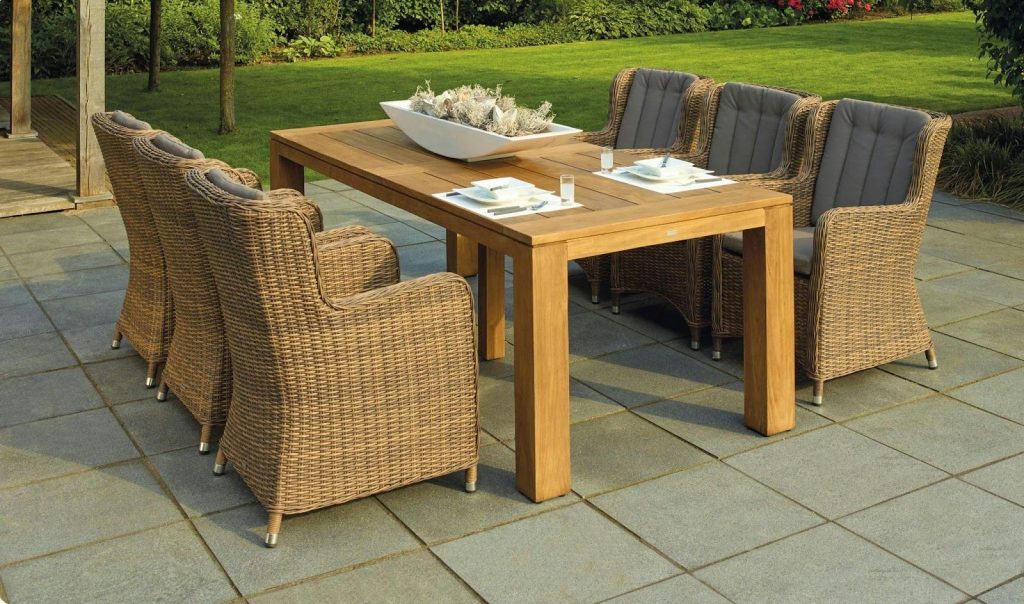
When it comes to transforming a backyard into a luxurious, functional outdoor living space, few upgrades rival the appeal of an interlock patio. Combining timeless beauty, structural integrity and low environmental impact, interlocking stone patios offer a smart, long-term solution for homeowners seeking both form and function.
In this post, we explore why interlocking patios have become a go-to choice for landscape upgrades and how they can enhance your home’s aesthetics, value and sustainability.
What Is an Interlock Patio?
An interlock patio is built using modular pavers, typically concrete, natural stone or brick, that fit tightly together to create a stable surface without the need for mortar. The strength comes from the careful placement, compacted base and edge restraints that lock each piece into place.
This system provides flexibility, superior drainage and a visually appealing finish that suits a wide range of design styles, from classic and rustic to sleek and modern.
Benefits of Choosing Interlocking Stone
1. Long-Term Durability
Interlocking pavers are built to last. Unlike poured concrete, which can crack over time, these individual stones allow for slight ground movement. This flexibility is key in regions with harsh winters and freeze-thaw cycles.
- Weather-resistant: Handles heavy rain, snow and heat without crumbling or warping.
- Load-bearing strength: Suitable for foot traffic, outdoor furniture, hot tubs and even vehicles in some applications.
- Easy to repair: Damaged pavers can be lifted and replaced individually.
2. Endless Design Possibilities
Whether you prefer clean lines and modern tones or the natural charm of rustic stone, interlocking pavers come in a wide variety of colors, shapes and finishes.
- Create custom patterns like herringbone or circular motifs.
- Combine colors for contrasting borders or inlays.
- Blend with walkways, driveways or garden walls for a cohesive look.
Your patio becomes a personalized reflection of your style and outdoor lifestyle.
3. Environmentally Friendly Features
Many homeowners are now choosing hardscaping options that align with their environmental values and interlocking stone offers a sustainable path.
- Permeable paver options allow rainwater to filter into the ground, reducing runoff and helping recharge groundwater.
- Many pavers are manufactured with recycled content or through energy-efficient processes.
- The ability to repair rather than replace means less waste over time.
It’s a beautiful way to upgrade your outdoor space while keeping sustainability top of mind.
Planning Your Ideal Interlocking Patio
Before beginning construction, thoughtful planning ensures your new patio meets your lifestyle needs and design goals. Here are key factors to consider:
Determine Functionality
Ask yourself how you’ll use the space:
- Dining area: Allocate enough space for a table, chairs and movement around it.
- Lounge zone: Include areas for sofas, fire pits or a pergola.
- Multi-use layout: Separate zones for cooking, relaxing and playing.
Choose the Right Location
Sunlight, shade, wind direction and privacy should guide your placement. Consider views from inside the house, proximity to doors and how the space interacts with landscaping.
Select Materials Thoughtfully
Match the patio style to your home’s architecture. Modern homes often suit sleek concrete pavers, while heritage or rustic properties look great with cobblestone or flagstone.
Mixing textures (like smooth stones with rough-cut edges) adds dimension and visual interest.
Plan for Drainage and Grading
A well-built interlock patio includes proper grading and possibly a drainage system to avoid water pooling or foundation damage. A slight slope ensures efficient runoff.
Design Enhancements to Consider
Once the basic patio is in place, consider these design elements to elevate the space:
- Built-in seating or planters: Adds structure and reduces the need for movable furniture.
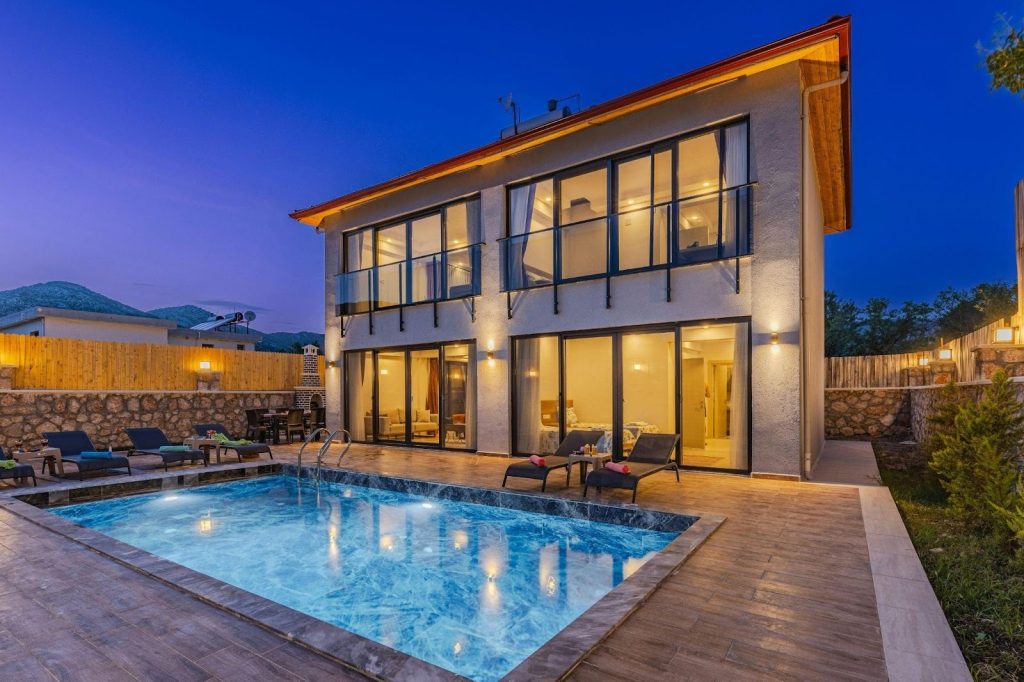
- Lighting: In-paver LED lighting boosts ambiance and nighttime safety.
- Borders and accents: Use contrasting pavers to define edges or create visual breaks.
- Green integration: Combine hardscaping with softscaping, like garden beds or climbing plants, to soften the space.
Maintenance Tips for a Pristine Patio
While interlocking patios are relatively low-maintenance, some simple upkeep will preserve their beauty for decades:
- Regular sweeping: Keeps dirt and organic debris from staining pavers.
- Weed control: Apply polymeric sand between joints to prevent weed growth.
- Seal every few years: This protects against stains, UV fading and moisture intrusion.
- Replace individual stones as needed: Chips or stains can be fixed without major disruption.
Maintenance is easier than with wood decking or concrete and the long-term results are worth it.
Interlock Patio vs. Other Outdoor Surfaces
When comparing patio materials, interlocking stone consistently stands out as a premium choice. Unlike poured concrete, which is prone to cracking and difficult to repair, interlocking pavers offer both flexibility and resilience. If a section becomes damaged or stained, individual stones can be replaced with ease, without disturbing the rest of the surface.
Wood decking, while attractive and warm in appearance, often demands high maintenance, including regular staining, sealing and protection against rot or insect damage. It also tends to weather faster under UV exposure and moisture. Natural flagstone is another beautiful option, offering organic textures and earthy tones, but it can be more expensive and labor-intensive to install due to the irregularity of the stones.
Interlocking stone strikes the perfect balance. It delivers a highly customizable, eco-friendly and durable surface with moderate initial investment and low upkeep over time, making it an ideal choice for homeowners who want both form and function without constant maintenance demands.
A Timeless Backyard Upgrade
An interlock patio is more than a stylish addition, it’s a smart investment in your home’s value, usability and visual appeal. Whether you’re hosting summer BBQs, relaxing with a book or creating a peaceful retreat after a long day, the right patio turns your backyard into a luxurious extension of your indoor living space.
With so many design options, environmental benefits and long-term durability, there’s never been a better time to explore this outdoor upgrade.
