



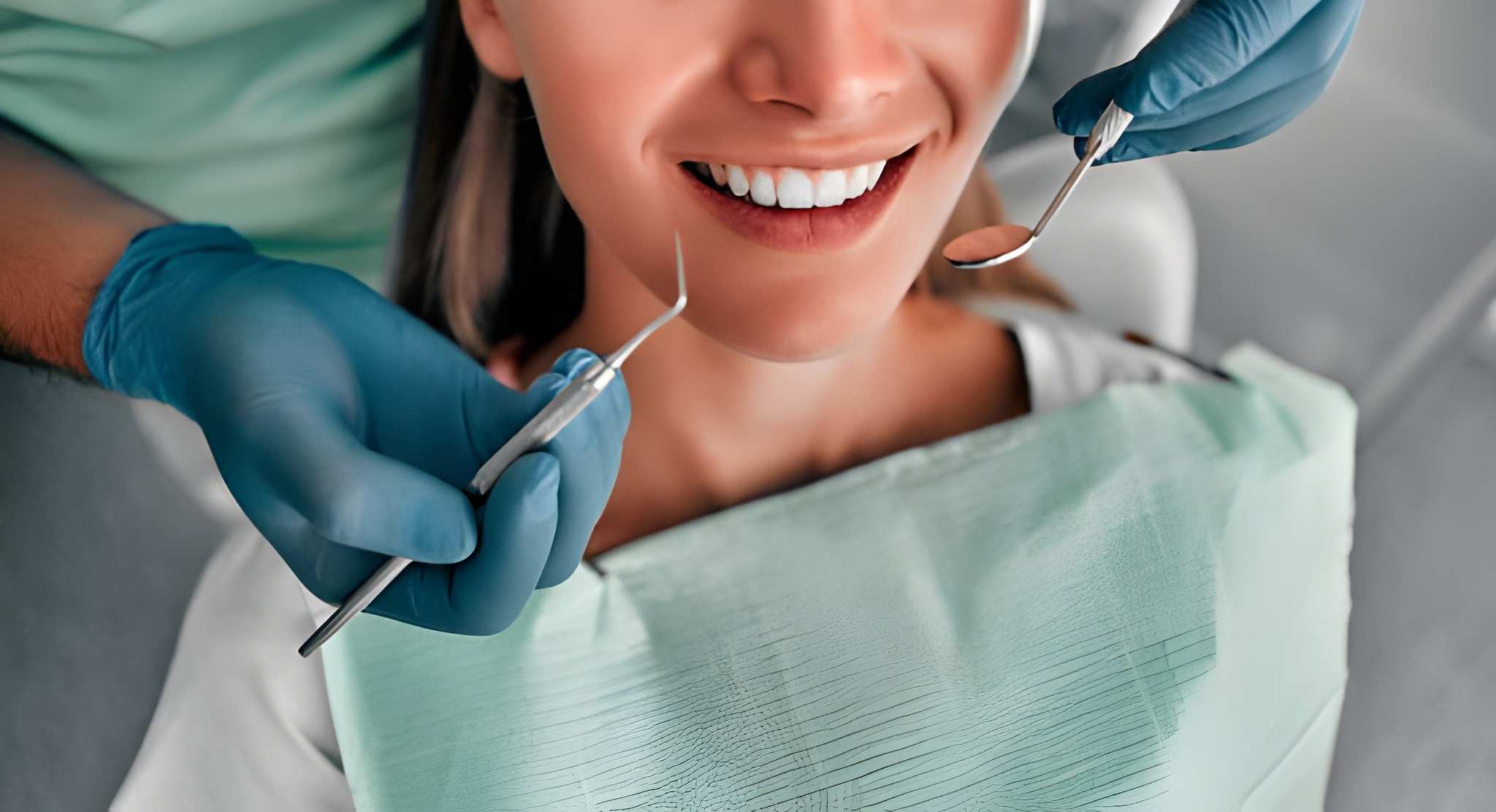
You might not think of bioceramics when you visit your dentist. However, these materials are revolutionizing dental care with their natural compatibility with the human body. As a patient, understanding how bioceramics are reshaping dentistry can help you feel more comfortable and informed about your treatment options. Whether you’re visiting a dentist in Covina or elsewhere, you’re likely to encounter these innovations. Dentists use bioceramics for several reasons. They help in healing and long-lasting results. You will experience fewer complications and faster recovery. This is not just about fixing teeth. It is about enhancing your entire dental experience with safer and more efficient methods. In the following sections, you’ll discover three groundbreaking ways dentists are using bioceramics. You will gain insight into how these advancements can improve your dental health. Trust in the expertise of your dental professionals to guide you through these state-of-the-art treatments.
Root Canal Therapy
Root canal therapy has evolved with the use of bioceramics. Traditionally, this procedure was met with apprehension because of discomfort and extended recovery. Today, bioceramics enhance the procedure by improving sealing capabilities and reducing healing time.
Bioceramic materials used in root canals provide excellent sealing properties. This creates a barrier, preventing bacteria from re-entering the treated area. Faster recovery means less discomfort and more effective healing.
The properties of bioceramics make them ideal for this purpose. They are biocompatible, promoting natural healing without adverse reactions. This minimizes potential complications and leads to more successful outcomes.
Dental Implants
Dental implants are another area where bioceramics are making a significant impact. They offer advantages over traditional materials like metals. Bioceramics used in implants bond naturally with bone, increasing stability and longevity.
This natural integration leads to a more secure fit. Patients benefit from increased comfort and better functionality. The risk of rejection or infection decreases, providing peace of mind.
Here’s a simple comparison of traditional materials versus bioceramics in dental implants:
| Traditional Materials | Bioceramics |
|---|---|
| Metal-based | Ceramic-based |
| Potential for rejection | High biocompatibility |
| May cause discomfort | Natural integration |
By using bioceramics, dentists can offer a treatment that is both effective and reassuring. This advancement supports long-term success and patient satisfaction.
Fillings and Restorations
The use of bioceramics for fillings and restorations is also transformative. These materials are durable and do not break down easily. This means fewer replacements and repairs over time.
Bioceramic fillings offer a non-toxic option. They pose no risk of harming the body. This aligns with broader efforts to use safer materials in dental care. Additionally, these fillings blend naturally with teeth. This provides an aesthetic advantage, as they are less noticeable.
For parents, knowing that their child’s fillings are safe and long-lasting is reassuring. The choice to use bioceramics reflects a commitment to using the best possible materials for family dental care.
These advances are supported by ongoing research and development. Resources like the National Center for Biotechnology Information provide valuable insights into the evolving role of bioceramics in dentistry.
Overall, as you consider your dental health needs, think about the benefits that bioceramic materials offer. They represent a shift towards more patient-centered care, characterized by safety and effectiveness. When you visit your dentist, ask how bioceramics can be part of your treatment plan. Your dental health is in good hands with these modern solutions.
