



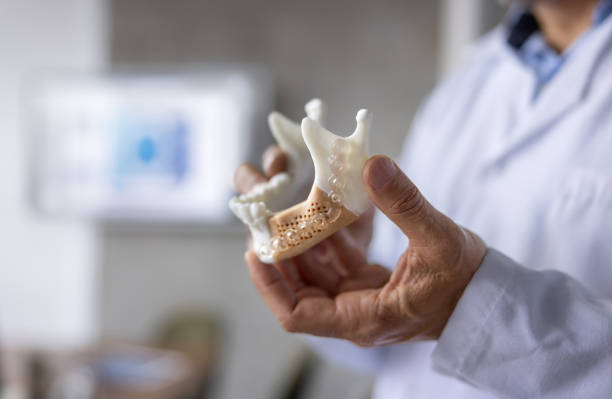
Thinking about dental implants in west Houston? Bone grafting plays a key role in their success. A missing tooth can weaken your jawbone over time. This makes implant placement challenging. Bone grafting helps rebuild and strengthen your jaw. It provides the support implants need. This procedure increases the chance of implants lasting long. Bone grafting involves placing new bone material in your jaw. Your body then naturally uses this material to grow new bone. This strengthens the implant site. Planning for a bone graft might seem daunting. Rest assured, it is a routine procedure. It lays a strong foundation for dental implants. Understanding the role of bone grafting can calm concerns and set expectations. It emphasizes the importance of strong jaw support for implants. A successful implant relies on this foundation. Explore this topic to prepare for dental implants. Your smile’s future depends on the strength beneath it.
Why Bone Grafting?
Bone health is crucial for successful implants. When teeth are lost, the surrounding bone may deteriorate. This change can create an unstable environment for implants. Bone grafting addresses this issue by enhancing bone volume and density. It helps create a solid base for implants.
Types of Bone Graft Materials
Bone grafting uses various materials. Here are some common options:
- Autograft: Uses bone from your own body, usually from the hip or chin.
- Allograft: Uses human bone from a donor, processed to ensure safety.
- Xenograft: Uses animal bone, typically from cows, treated for dental use.
- Alloplast: Uses synthetic materials that encourage natural bone growth.
The Bone Grafting Procedure
The procedure begins with a thorough evaluation by your dental specialist. This includes X-rays and possibly 3D imaging. These tools help assess bone condition and determine the grafting strategy.
During the procedure, the graft material is placed at the site needing reinforcement. Over time, your body integrates the graft, forming new bone. This process ensures that the implant site becomes strong enough to support dental implants. The timeline for healing can vary, generally ranging from a few months to complete integration.
Benefits of Bone Grafting
Bone grafting provides multiple benefits, ensuring the success and longevity of implants:
- Improved stability and support for implants.
- Prevention of further bone loss.
- Enhanced aesthetics by maintaining facial structure.
Comparing Implant Success With and Without Bone Grafting
| Factor | With Bone Grafting | No Bone Grafting |
|---|---|---|
| Implant Stability | High | Variable |
| Bone Health | Enhanced | May Deteriorate |
| Long-term Success | Likely | Uncertain |
Considerations for Patients
It’s important to consider your health and expectations. Bone grafting is generally safe, but like any procedure, it carries risks. Infection or graft rejection can occur. Having a detailed discussion with your dental professional is crucial. They will provide guidance tailored to your needs.
Resources and Further Reading
For more information on dental procedures, you can visit the National Institute of Dental and Craniofacial Research. They offer extensive resources on dental health and treatments.
Additionally, the MedlinePlus provides trustworthy information on various health topics, including bone grafting and dental implants.
Conclusion
Bone grafting significantly impacts the success of dental implants. By building and strengthening the jawbone, it provides a lasting foundation for dental restorations. Understanding its role helps you make informed decisions with your healthcare provider. Prioritizing jaw strength ensures lasting results for your dental implants.
