



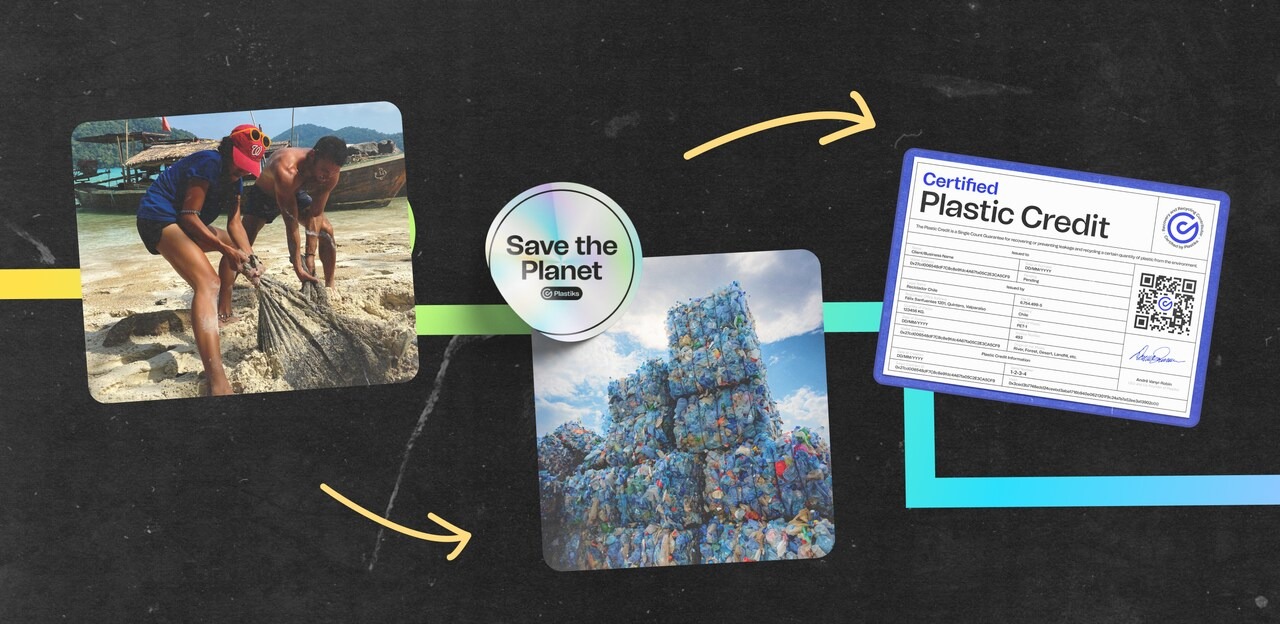
In a world increasingly choked by plastic waste, businesses and individuals are seeking sustainable ways to neutralize their plastic footprint. Among these, plastic credit projects have emerged as a popular solution. But not all initiatives are created equal—without proper standards, some risk becoming little more than greenwashing. To truly make a difference, plastic credit programs must be measurable, certified, and impact-driven.
The High Stakes of Plastic Pollution
Plastic pollution has grown from a marine problem into a global health and environmental crisis. Over 400 million tons of plastic are produced annually, much of which is mismanaged—dumped, burned, or entering oceans. Plastic’s durability means it breaks down into microplastics that infiltrate the food chain and air, causing serious issues as detailed in how does plastic pollution affect humans.
- Impact on Human Health: Microplastics have been found in human tissues and carry harmful chemicals like BPA and heavy metals, which can disrupt hormones, increase risks of chronic diseases, and trigger harmful immune responses.
- Environmental Consequences: Plastic harms marine life, contaminates soil and water with toxins, and burning plastic releases dangerous air pollutants, especially in areas lacking proper waste management.
Plastic pollution threatens ecosystems, human health, and sustainability. Real progress requires systemic change—reducing plastic production, redesigning supply chains, and supporting credible, certified plastic offset programs that truly remove plastic waste from the environment.
Why the Plastic Credit Market Is Booming—And Why Caution Is Needed
As awareness of plastic’s long-term effects increases, so too does demand for solutions. The plastic credit market has grown rapidly, with corporations investing in offsetting their plastic use. However, without certification, traceability, and transparency, many of these efforts risk being ineffective or misleading.
What separates a credible plastic credit initiative from one that merely looks good on paper?
- Measurable impact: How much plastic is removed or offset?
- Certified process: Is the collection, recycling, or destruction verifiable?
- Social value: Does the program benefit local communities?
TONTOTON: A Model for Verified Plastic Action
As the global demand for sustainability increases, businesses are looking for reliable partners to help offset their plastic footprint. But offsetting alone isn’t enough. What matters is how it’s done—and whether the process is verifiable, ethical, and meaningful. This is where TONTOTON stands out.
Unlike many programs that focus only on easily recyclable plastics, TONTOTON tackles the hard part first: collecting and managing non-recyclable plastics. These include multilayer packaging, plastic film, sachets, and other flexible plastics that cannot be processed by most recycling systems. These materials often end up as permanent litter in the environment—clogging waterways, choking marine life, and degrading into harmful microplastics.

Why Non-Recyclable Plastics Matter
- They make up a significant portion of ocean-bound plastic waste.
- They are largely ignored by traditional recycling efforts due to lack of market value.
- They often accumulate in the poorest regions, where formal waste management is minimal or nonexistent.
TONTOTON directly addresses this blind spot by implementing certified plastic recovery programs in vulnerable coastal communities—locations most at risk of contributing to ocean plastic leakage.
Certified and Transparent Operations
Every step of TONTOTON’s operations is measurable and verified. The company adheres to the Verra Plastic Waste Reduction Standard (Plastic Standard)—a globally recognized framework that ensures:
- Accurate accounting of plastic recovered
- Full traceability from collection to final treatment
- Independent third-party auditing
- Alignment with the UN Sustainable Development Goals (SDGs)
For businesses that choose to support TONTOTON’s projects, this means credible impact—not just a logo or a promise, but data-backed proof that their contributions are making a measurable environmental and social difference.
The One+One Program: Going Beyond Plastic Offsets
What sets TONTOTON apart even further is its TONTOTON One One Program Inclusive Plastic Responsibility—an innovative model that redefines what it means to offset plastic responsibly.

A Dual Impact Strategy
The One+One model is simple in structure but powerful in effect. For every plastic credit issued through TONTOTON, two parallel streams of positive impact are delivered:
Plastic Recovery
- TONTOTON collects and manages plastic waste that would otherwise leak into nature.
- The focus is on non-recyclable, low-value plastic that traditional systems ignore.
- This collected waste is either co-processed for energy or converted into building materials through safe, certified methods.
Community Empowerment
- TONTOTON creates long-term employment opportunities for informal waste workers—especially women and marginalized individuals in coastal communities.
- It offers training, stable income, and access to protective gear, lifting people out of unsafe working conditions.
- In schools and local centers, the program conducts environmental education campaigns, raising awareness about plastic pollution and sustainability among children and families.
This integrated approach ensures that every dollar spent not only reduces environmental harm but also uplifts the people most affected by pollution.
Real-World Impact
In regions like Vietnam and Cambodia—where waste infrastructure is underdeveloped and coastal ecosystems are under pressure—TONTOTON has already:
- Recovered hundreds of tons of plastic from ocean-bound zones
- Provided dignified work for dozens of waste collectors
- Delivered plastic education programs in communities with little environmental awareness
It’s a scalable solution that benefits both the planet and people—something that few plastic credit programs can truly claim.
Avoiding Greenwashing in Plastic Credit Programs
Greenwashing—making sustainability claims without real action—remains a major issue in the carbon and plastic credit space. It can mislead consumers and businesses into believing they’re making a difference when the actual environmental impact is minimal or nonexistent. Companies looking to offset their footprint should look for:
- Independent certification (e.g., Verra Plastic Waste Reduction Standard): Certification by reputable third parties ensures that projects meet strict environmental and social standards, providing assurance that claimed actions are verified. This external validation helps prevent false claims and boosts transparency.
- Publicly available impact reports: Transparent reporting allows stakeholders to see exactly how much plastic has been collected and processed, making the program accountable. Regularly updated data builds trust and demonstrates ongoing commitment.
- Community involvement and education components: Projects that engage and empower local communities create lasting social benefits alongside environmental impact. Education initiatives also raise awareness, helping to prevent future plastic pollution at the source.
- Clear data on plastic types and volumes removed: Knowing the specific types and quantities of plastic recovered ensures the program targets the most harmful waste and measures success accurately. This level of detail helps differentiate genuine programs from superficial efforts.
These are non-negotiables for ensuring your investment supports real change, protecting both your reputation and the planet.
Choosing the Right Plastic Credit Partner
Whether you’re a business seeking to meet ESG goals or a consumer trying to reduce your environmental footprint, selecting a plastic credit partner is a decision that deserves scrutiny. A wrong choice can waste resources and undermine sustainability efforts. Here are some key tips:
- Research their certifications: Is their work audited by third parties? Third-party audits provide objective verification that the project delivers on its promises, reducing the risk of bias or inflated claims. Always prioritize partners with credible certifications.
- Look for traceable data: Can you track how and where plastic was collected? Traceability tools like digital tracking or QR codes offer transparency, letting you verify that your contribution translates into real plastic removal. This visibility fosters confidence in the program’s integrity.
- Assess community impact: Are local livelihoods and education being supported? Effective projects invest in the people affected by plastic pollution, offering fair wages and educational opportunities. Supporting community well-being ensures sustainability beyond just environmental metrics.
- Avoid vague claims: “Eco-friendly” or “green” is meaningless without data. Marketing buzzwords can mask ineffective programs. Demand clear, measurable outcomes and straightforward explanations to distinguish serious initiatives from empty promises.
Making informed choices strengthens the fight against plastic pollution and helps build a more sustainable future for all.
Final Thoughts: From Awareness to Action
Plastic pollution is a global challenge, but it can be tackled with smart, certified, and socially responsible solutions. Verified plastic credit programs like TONTOTON offer a way forward—one that balances environmental responsibility with social justice.
By choosing partners that prioritize transparency, certification, and community impact, we can ensure that every dollar spent actually makes a difference.
