



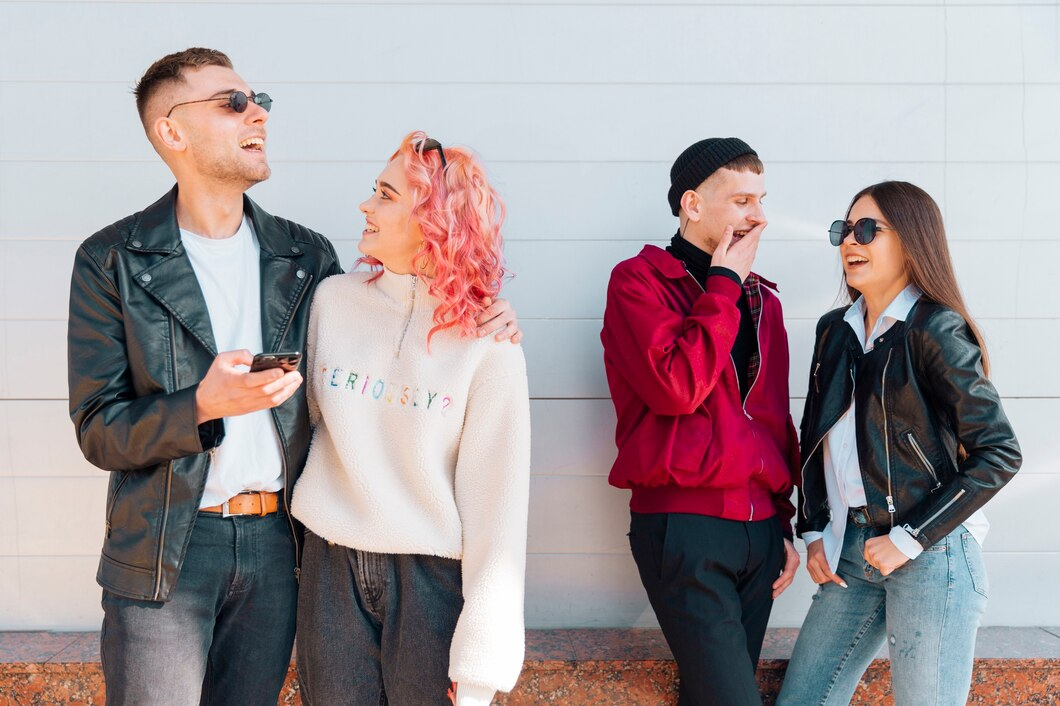
Fashion is not just clothing; a means of self-expression made manifest in individual tastes reflected in their attire. Personality, emotion, cultural influences, it allows you to communicate without saying a word, whether in simple classic or addiction to bright fabulous ensembles portraying an entirely infinite individual styles.
Expressed through colors, patterns, and accessories, people create a distinct form of identity painstakingly separating themselves from others. And as the times change, so do fashion as they are never static. The knitwear manufacturers often keep up with the social trends, advancements in technology, and different movements in culture to accommodate the common crowd.
Fashion has the power to redefine stereotypes and norms as well as to challenge societal expectations. From classic pieces that people may identify with a heritage to innovative designs that can be quite avant-garde in redefining the limits of creativity, it indeed continues in its way to flank identities, initial and collective.
Fashion as a Personal Statement
Everyone has his or her taste, and fashion is the way one expresses their personality and preference.
Some prefer knit fabrics worn in a classic and sophisticated manner, while some wear bright colors and unusual cuts. It is a form of expressing confidence, creativity, and individuality to the rest of the world.
Often, these various forms of expressing personal styles reflect moods and emotional situations. For instance, bright colors generally give disturbances indication of happiness or excitement, while darker tones can reflect a more serious or pondering state of mind.
Cultural and Social Identity in Fashion
Fashion is instrumental in identity, whether cultural or social. The garment is one of the most potent emblems of heritage: many cultures around the world would use clothing to preserve history and customs.
The elegant kimono in Japan and all the beautiful saris shown off in India have their roots in cultural identity. Besides, fashion can be the medium for challenging social conditions and making political statements.
For example, movements like punk rock and hip-hop have dominated clothing as a way of disobeying mainstream expectations to develop their subcultures with unique aesthetics.
Fashion as a Creative Outlet
Nonetheless, in the view of some, fashion is considered an art form, a means of expressing oneself creatively where there are designers who have gone beyond the limits of conventional styles in the pursuit of creativity in their use of materials and textures, colors, and new designs to create something that can be regarded as wearable art.
In much the same way, people would create looks that conform to their vision through layering styles, mixing of patterns, or when accessorizing.
Street style in particular is an arena for raw creativity, where interpretations of trends are put into a practice that embraces individual expression.
The Influence of Fashion on Confidence and Self-Perception
What we wear influences how we feel about ourselves. Dressing in a manner that reflects inner self will greatly enhance confidence and self-esteem.
Research shows that outfits that express our intended model will lift one’s mood and performance; this is closely related to the concept of enclave cognition, in that clothes affect how others judge or perceive us and how we judge and perceive ourselves.
Once we feel that whatever we are putting on are to die for, we become empowered and confident from within.
Fashion in Different Life Stages
As individuals grow and evolve, so does their fashion sense.
Childhood clothing is often chosen by parents, but as teenagers, people begin to explore their style preferences, often influenced by pop culture, social media, and peer groups.
In adulthood, professional and personal experiences shape wardrobe choices, with many seeking a balance between comfort, professionalism, and individuality. Even in later years, fashion remains an essential tool for self-expression, with older generations embracing stylish and timeless pieces that reflect their experiences and tastes.
The Role of Fashion in Breaking Barriers
Fashion has been instrumental in breaking barriers and challenging traditional norms.
The evolution of gender-neutral fashion has allowed individuals to express themselves beyond societal expectations of masculinity and femininity.
Androgynous fashion, unisex clothing, and gender-fluid designs have gained popularity, proving that fashion is an evolving language that adapts to changing perspectives on identity and inclusion.
Fashion and Social Media
The digital age has amplified the role of fashion in self-expression. Social media platforms like Instagram, TikTok, and Pinterest allow individuals to share their style with a global audience.
Influencers and everyday fashion lovers alike inspire trends and showcase diverse forms of self-expression.
Social media has also created spaces where fashion is more inclusive, celebrating diversity in body types, cultural backgrounds, and personal aesthetics.
Sustainability and Ethical Fashion Choices
As awareness grows around sustainability, fashion has also become a means of expressing one’s values.
Many individuals are choosing ethical and sustainable fashion brands that align with their environmental and ethical beliefs.
Thrift shopping, upcycling, and supporting slow fashion are ways people use their clothing choices to advocate for sustainability while maintaining a unique and expressive wardrobe.
Conclusion
Fashion is a dynamic and ever-evolving medium of self-expression. It allows individuals to communicate their personality, cultural heritage, emotions, and values.
Whether through avant-garde designs, casual everyday wear, or bold statement pieces, fashion is a reflection of who we are and how we want to be seen by the world. In an era where individuality and creativity are celebrated, fashion remains one of the most accessible and influential tools for self-expression.
Ultimately, the clothes we wear are more than just fabric; they are a testament to our identity and the ever-changing nature of personal style.
