



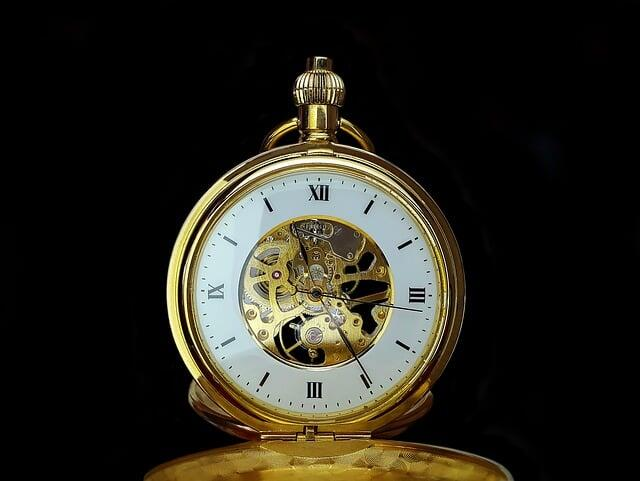
Timekeeping has always been a part of our lives. But today’s watches do more than just tick. They use smart designs and new parts to keep perfect time.
If you are curious about how watches work, this guide is for you. Discover how modern clock parts have changed the game.
Keep reading to learn all about innovative timepiece movements and how they shape the watches we wear today.
Quartz Movement Technology
Quartz movements use a tiny piece of crystal. The crystal sends out a steady beat when powered by a battery. This makes the watch very accurate. It does not need winding.
Most digital and analog watches today use this method. It is also easy to find suppliers who let you buy wholesale clock movements for making or fixing these types of watches.
Mechanical Movement Basics
Mechanical movements use gears and springs. They do not need batteries. You wind them by hand or through motion. These parts work together to move the hands.
They are often found in classic or luxury watches. Even though they are older, some new designs still use them in creative ways.
Automatic Self-Winding Systems
These movements use the motion of your wrist. A rotor inside spins as you move. This winds the watch for you. No need to wind it every day.
They blend the old style with modern ease. Many watch fans love the mix of design and function.
Solar-Powered Watch Movements
These watches charge through sunlight. The light hits a small panel under the face. This turns the light into energy. The power is stored in a battery.
It runs the watch like any other. This is great for people who don’t want to change batteries often.
Smart Hybrid Movements
Some watches mix smart features with normal watch parts. They may track your steps or show phone alerts. But they still have a ticking hand and classic style.
These movements offer the best of both worlds. They are perfect for people who want both tech and tradition. The inside is complex but easy to use.
High-Frequency Movements
High-frequency means faster ticking. These watches beat more times each second. This helps them stay very accurate. The hands move smoothly with no jump.
These movements are great for timing events. They are popular with people who want precision.
Kinetic Energy Movements
Kinetic movements turn motion into power. When you move, a weight inside the watch spins. This spinning creates energy.
That energy charges a small battery. It works like solar but uses motion instead of light. This makes the watch eco-friendly and low-maintenance.
Radio-Controlled Timekeeping
Radio-controlled watches get signals from atomic clocks. These signals help the watch stay very accurate. The watch updates itself, even for time zone changes.
You don’t have to set it by hand. It checks the time once or several times a day. This makes it perfect for people who want worry-free accuracy.
Educate Yourself About Innovative Timepiece Movements
Innovative timepiece movements have changed how we see and use watches. From solar power to smart features, these new systems offer more than just the time. They bring ease, beauty, and better function to our daily lives.
Whether you enjoy the feel of a mechanical watch or the speed of quartz, today’s options are full of smart design. There’s a movement to match every need and style. Time has truly moved forward.
Keep going — great reads are just a click away.
